15 Reasons to Visit Neamț County – XII
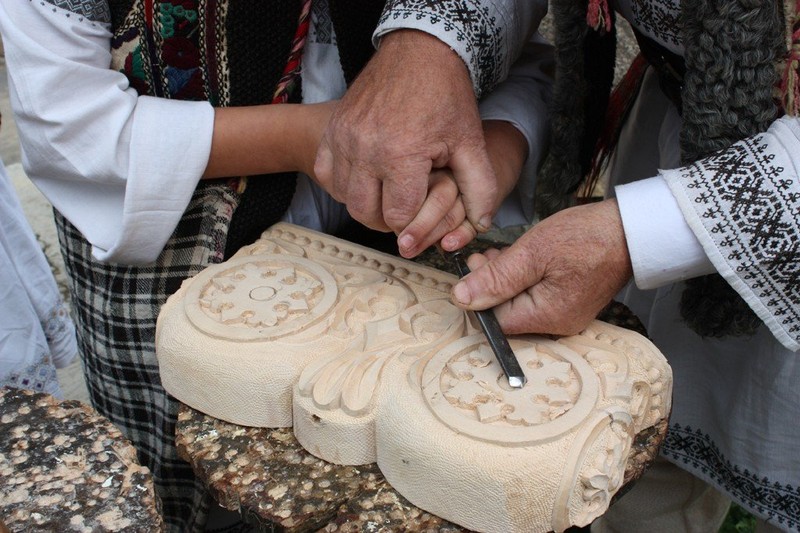
The Neamț region has been a genuine “civilisation of wood”, with local craftsmen using timber in many crafts: from building houses with high roofs and wide eaves to protect the veranda from rain and…
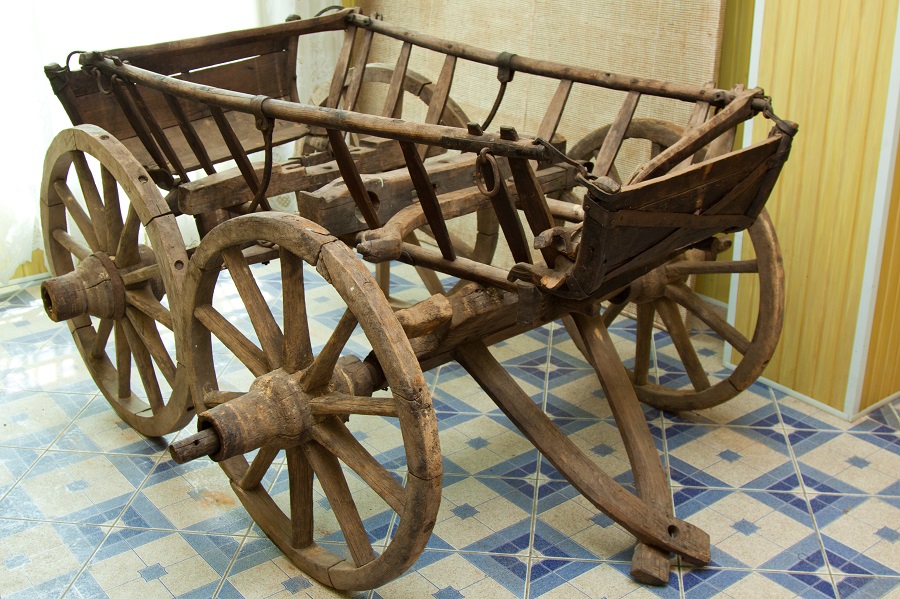
The Neamț region has been a genuine “civilisation of wood”, with local craftsmen using timber in many crafts: from building houses with high roofs and wide eaves to protect the veranda from rain and…
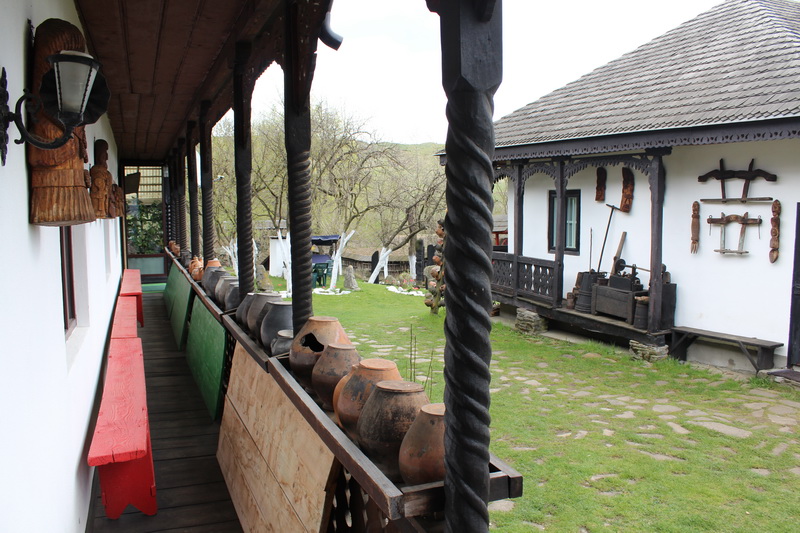
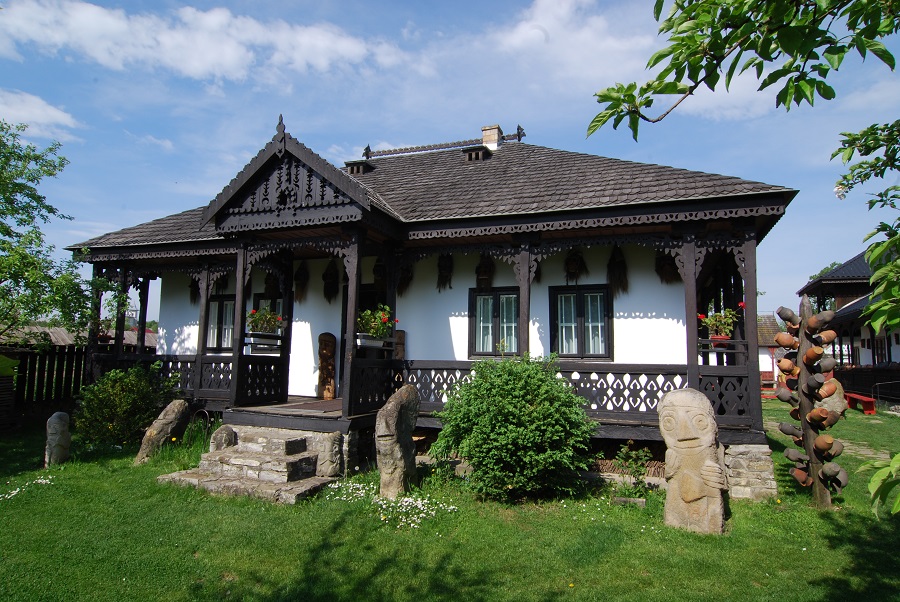
In a courtyard enclosed by a woven twig fence, as in former times, a lane bordered on both sides by trees and wooden and stone statues opens before you, and at its end stands a traditional house with a wooden porch.

The villagers were born and lived in the shade of the forest, which gave them shelter and food in hard times, clean air, the beauty of green tree canopies, the richness of the plants and animals that…

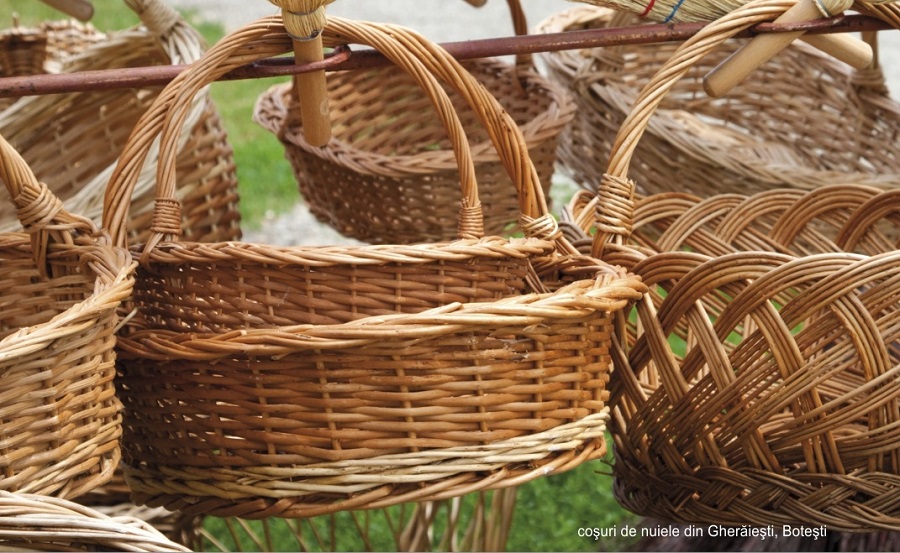
A distinctive craft is “wicker weaving”, used to create a wide range of practical and decorative objects: baskets of many kinds and uses, and sets of garden furniture including stools, chairs and tables.


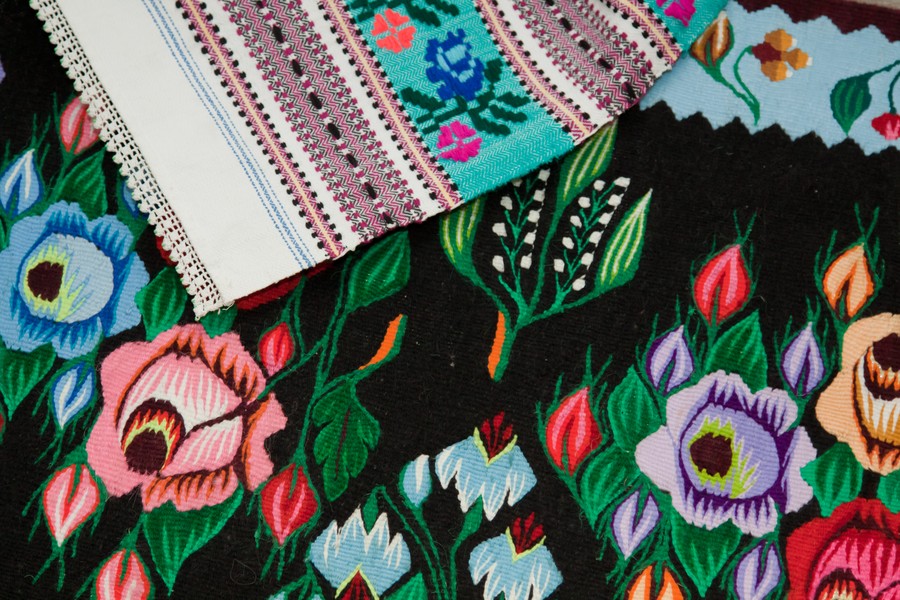
Traditional women’s costume demonstrated women’s creative potential through its wealth of artistic achievements.

Guesthouses, hotels and especially places of worship across Neamț County are offering an abundance of Sfințișori today, 9 March.

Romania’s celebration of love is marked with dance, music and good cheer provided by members of the “Floricică de la Munte” Folk Ensemble of the “Carmen Saeculare” Centre for Culture and Arts, who will delight audiences over three days in Piatra Neamț, Tașca and Girov.

While the priests enter the last houses to bless them, water is being prepared in the churches in which the Epiphany cross will be immersed tomorrow.

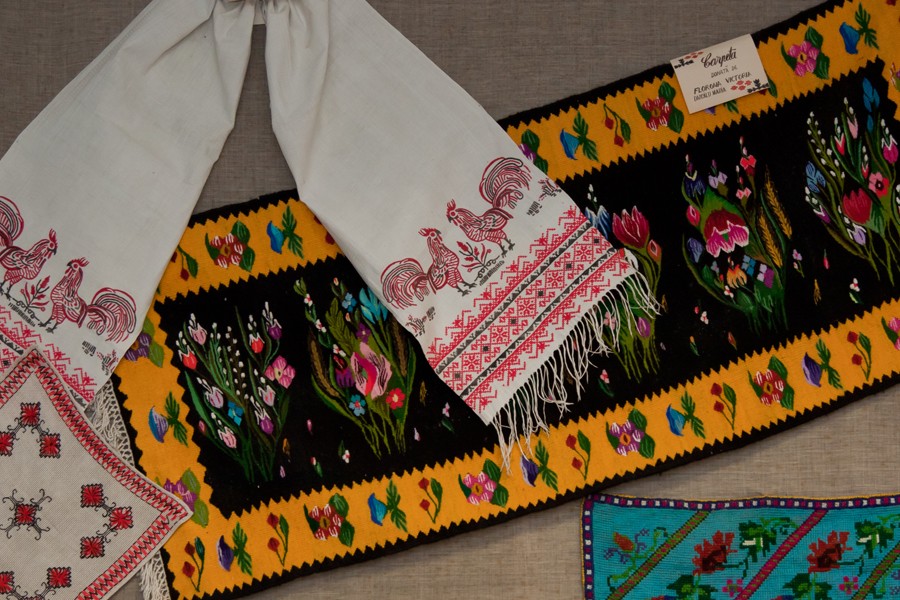
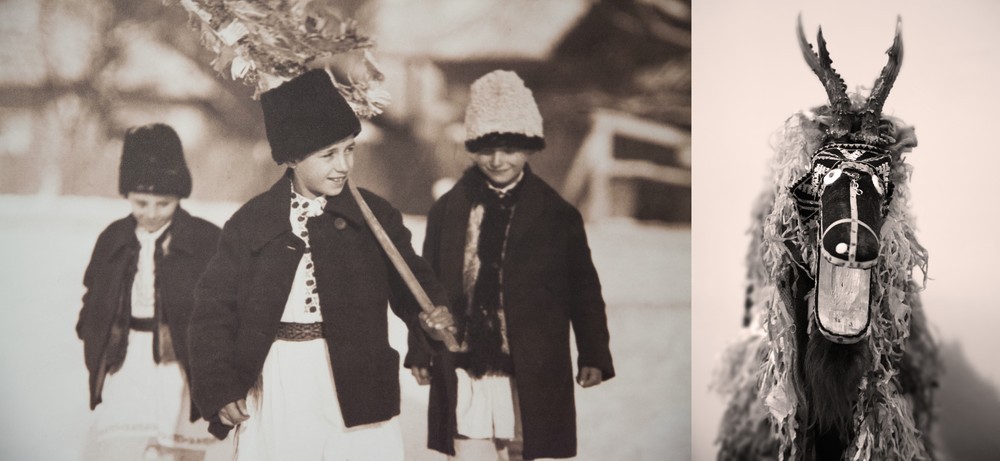
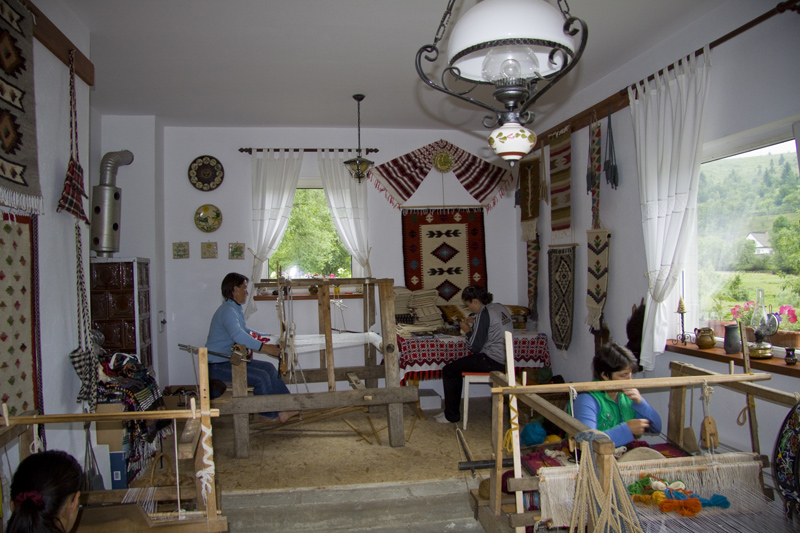
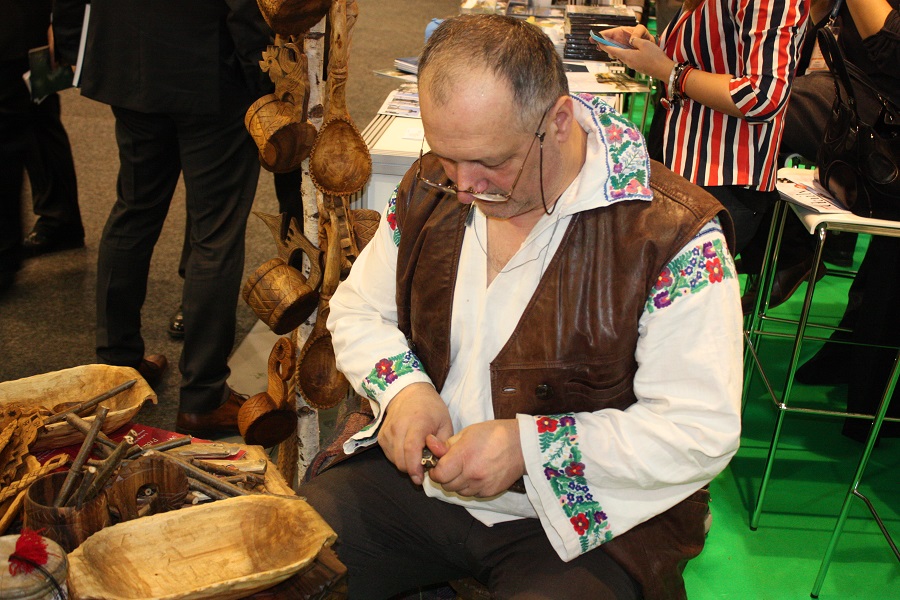
Ancestral tradition continues today in the lands of the Neamț region, and the creations of folk craftspeople clearly demonstrate this.

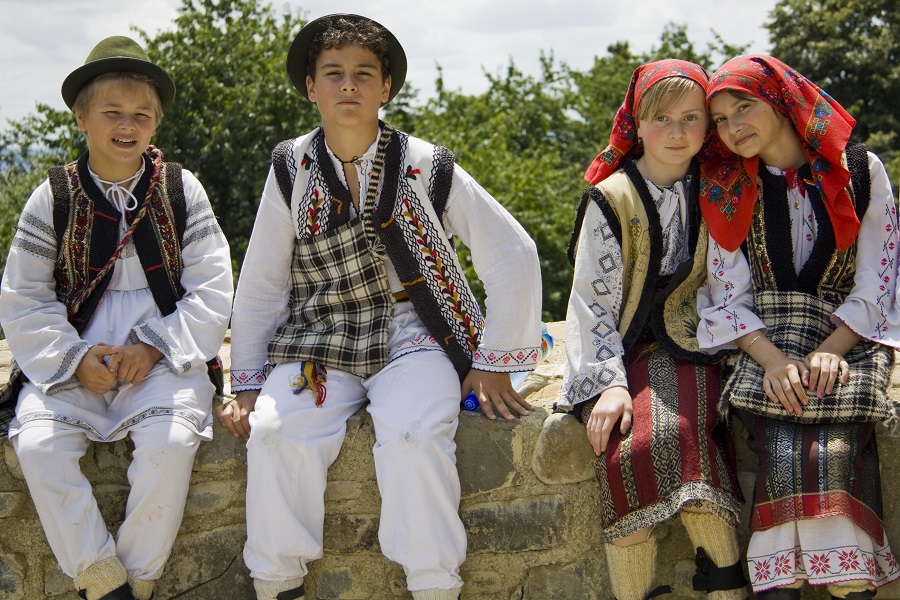
The folk costume from Neamț County is one of the most representative elements of folk culture and fits within the general characteristics of Moldavian costume.


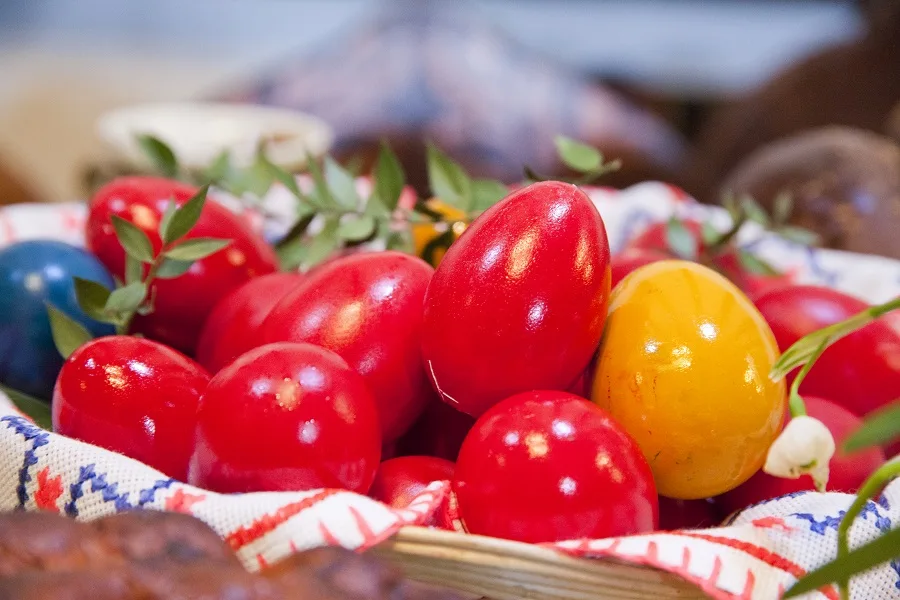
The tradition of painting eggs was known to the Chinese about two thousand years before Christ, the eggs symbolising creation, fertility, life and the rebirth of nature.

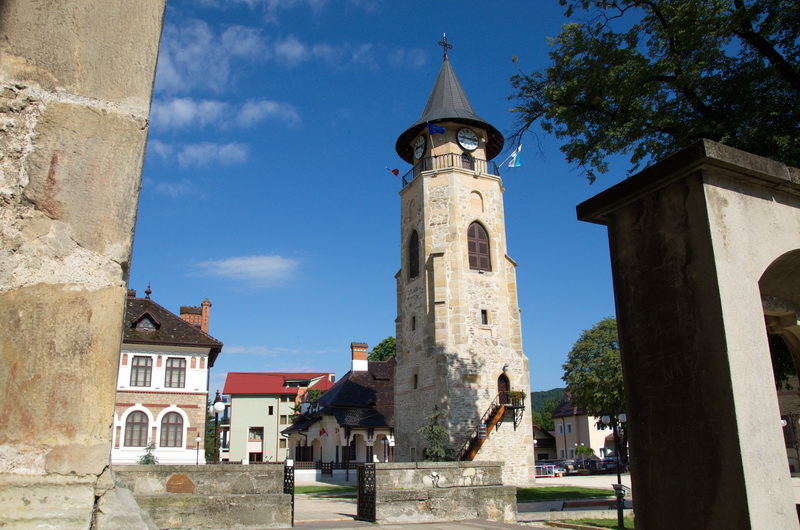
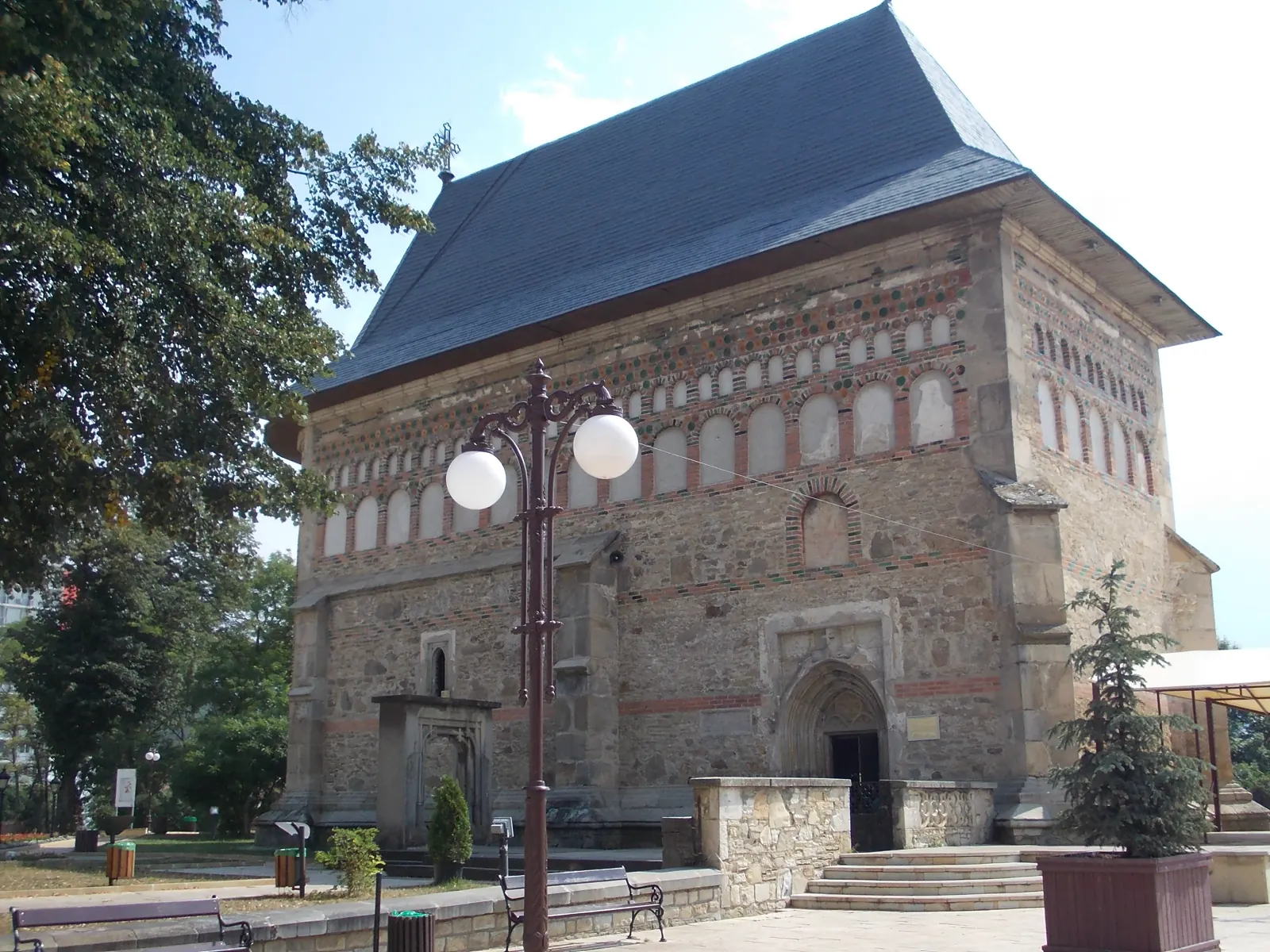
Piatra Neamț Town Hall is organising the first Curtea Domnească Festival on Saturday, 23 April, to mark 525 years since its first recorded mention.

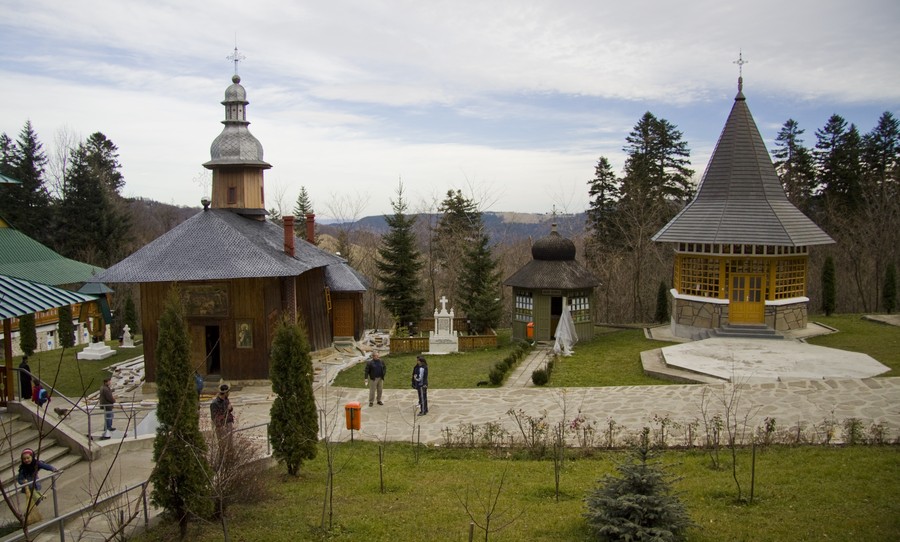
When we are on Route Bicaz – Red Lake, we can reach the wooden church at Goat Runlet which is dedicated to “Saint Dumitru” if from the Bicazu Ardelean Commune turn right for Telec, on asphalt road.

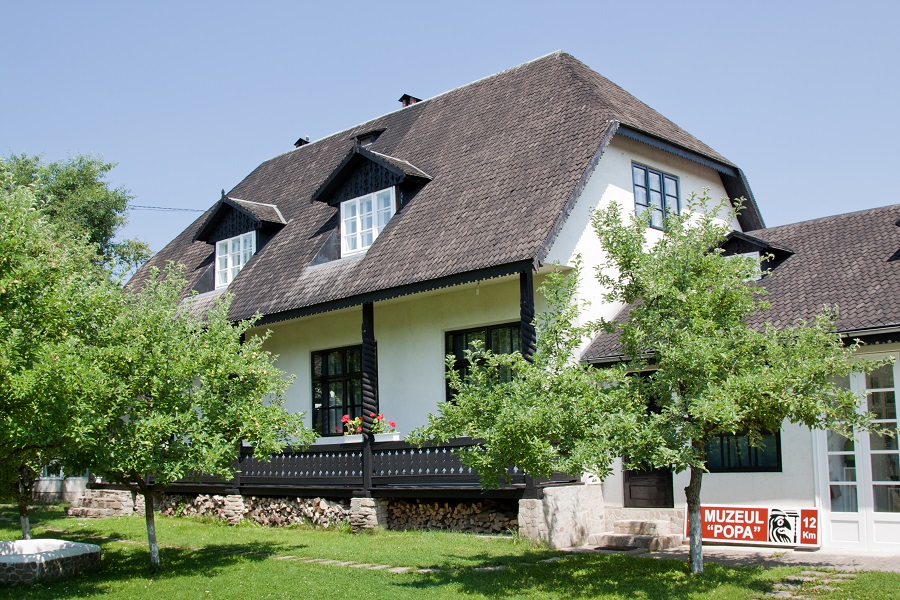
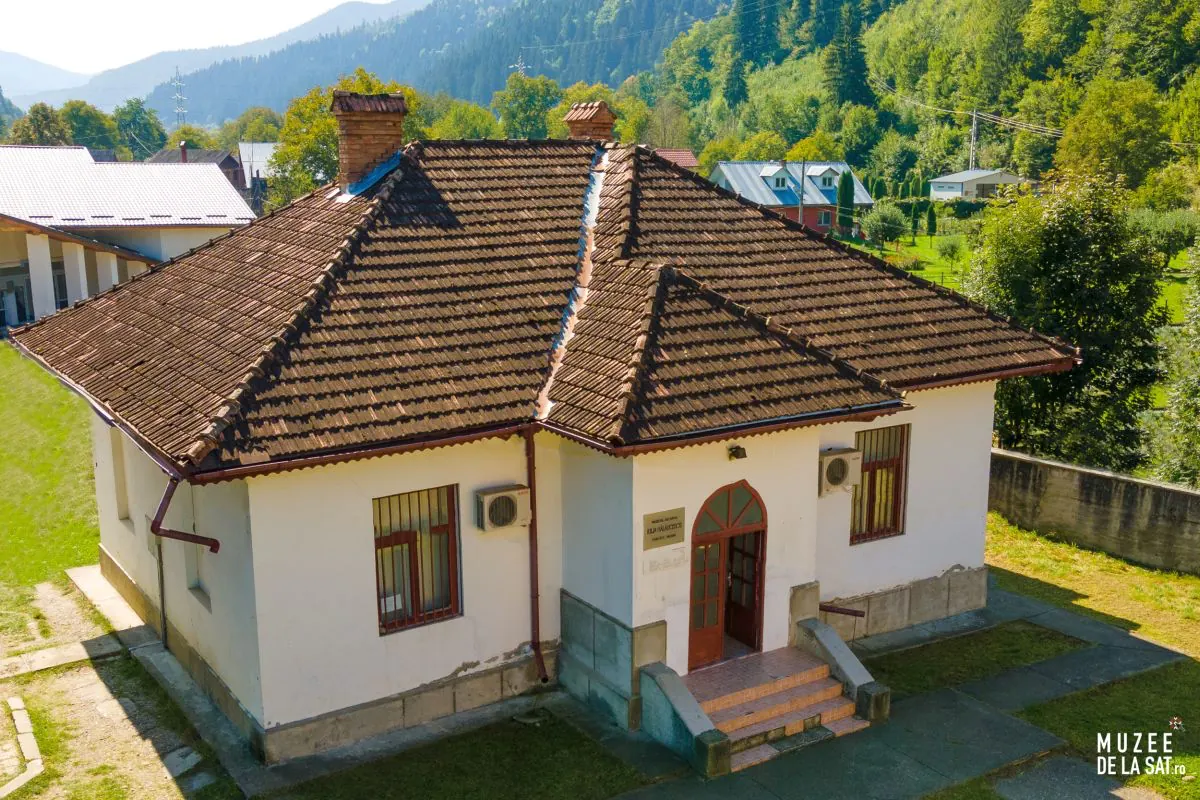
In the village of Târpești, in Petricani commune, Neamț County, stands one of the most beautiful and interesting museums in Moldavia.