Spiritual
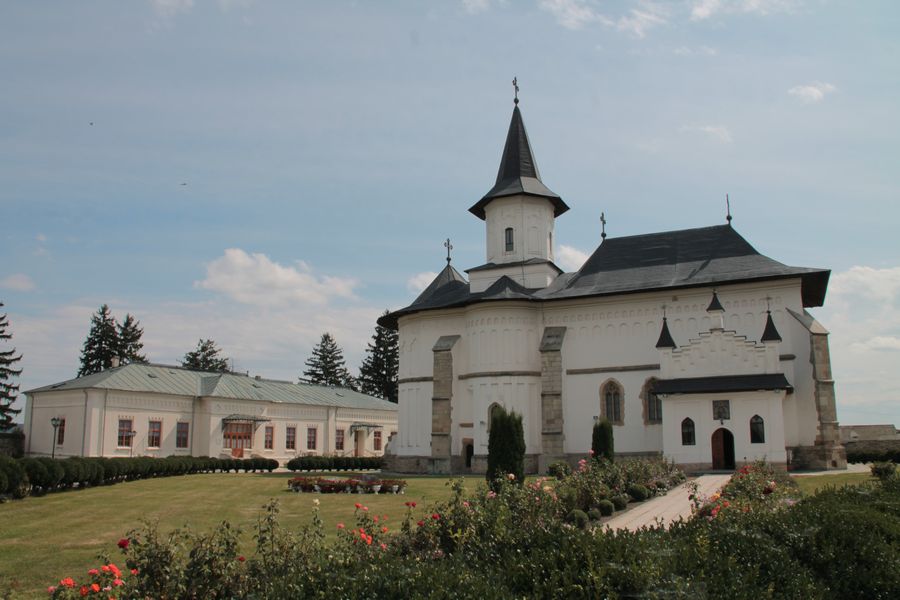
“Saint Parascheva’s” Archbishopric Church – Roman
Commissioned by Petru Rareș and his son Ilaș, the Cathedral complex is enlisted as a monument of religious architecture.
Commissioned by Petru Rareș and his son Ilaș, the Cathedral complex is enlisted as a monument of religious architecture.
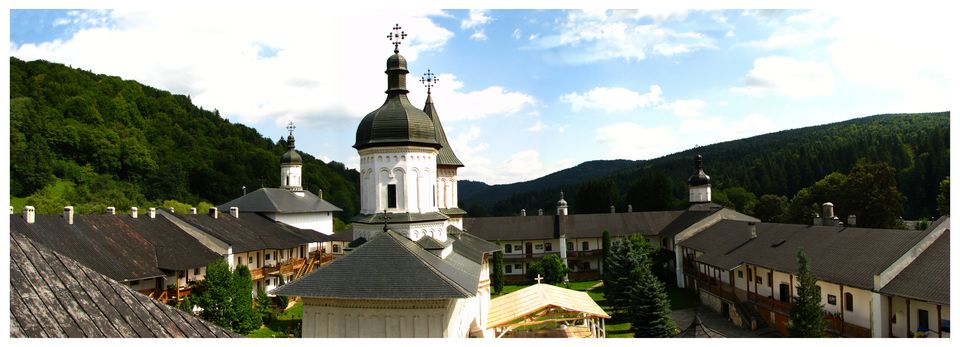
Time stands still. This is how the holy places of worship in Neamț County can be described. The monasteries of the Neamț area stand steadfast through history, enduring across centuries, social systems, peoples and generations, as if they have always existed.
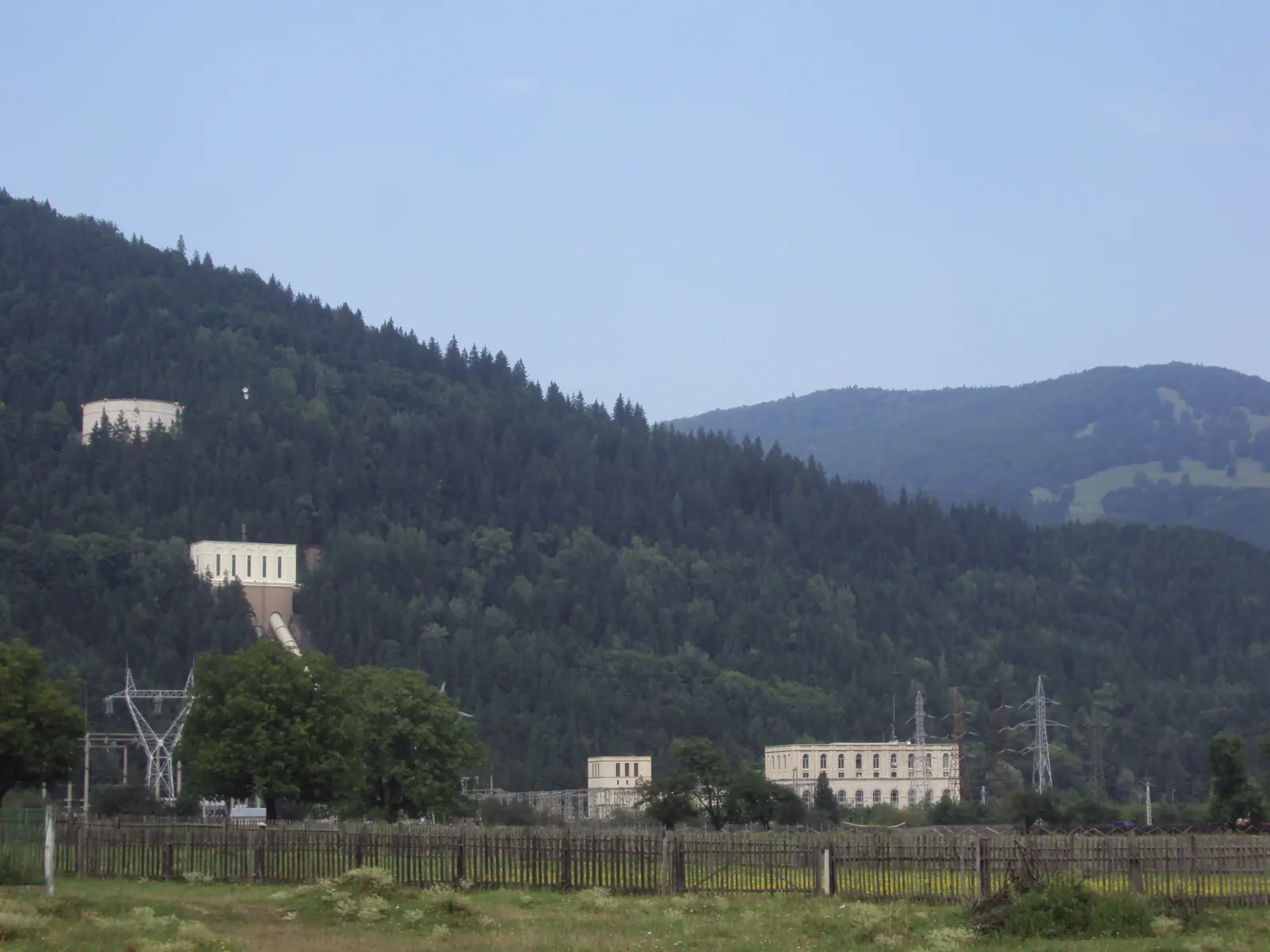

Neamt County is the blessed place in which arose monastic places representing as many treasures of monastic life dedicated to God.
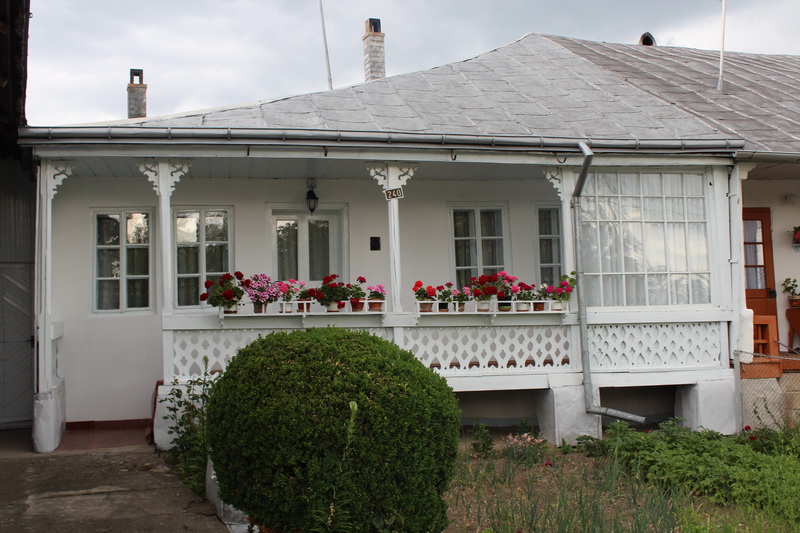
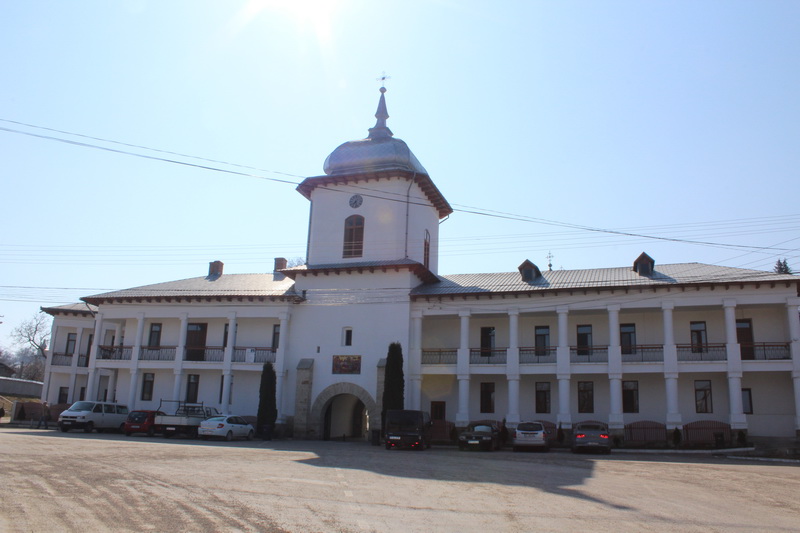
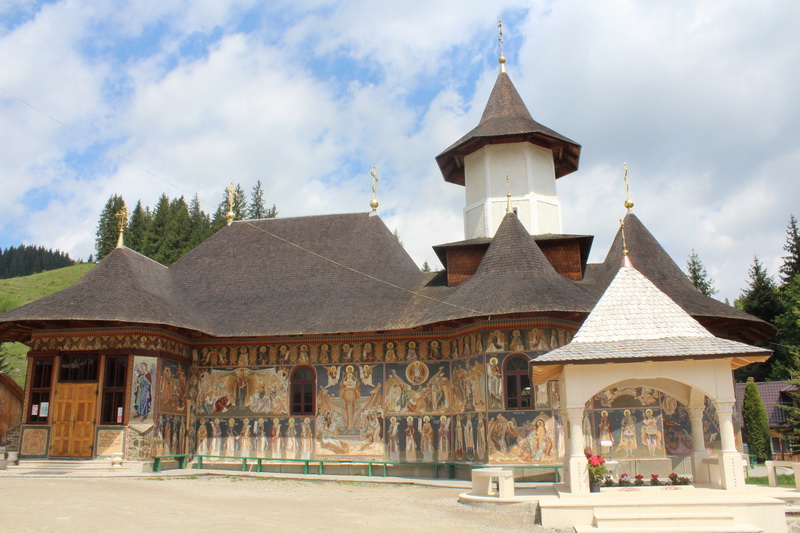
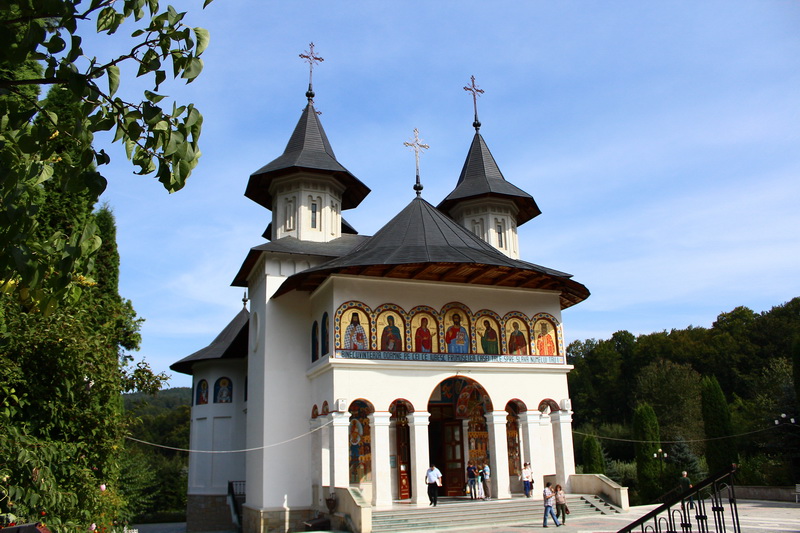
The Neamț region is a blessed place where monasteries have sprung up, each a treasure of monastic life devoted to God.
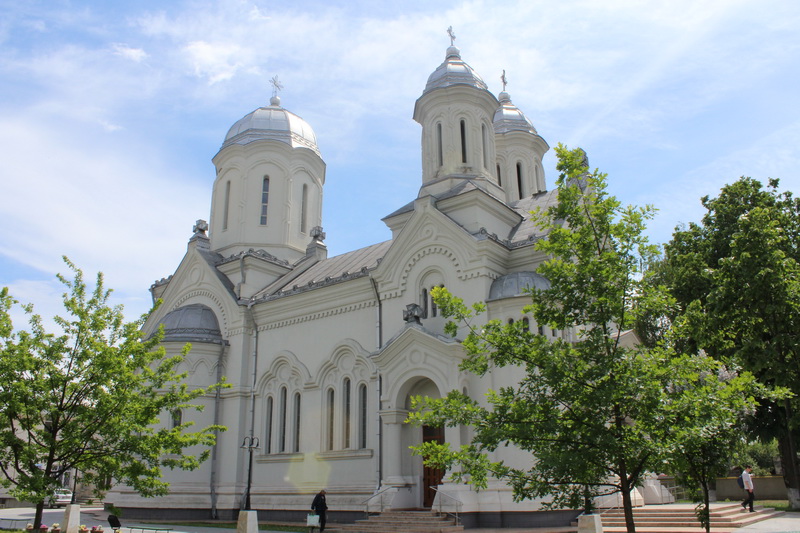
Historical documents certify the existence of Catholics in Moldova as early as the thirteenth century, when Dominican monks Christianize the Cumans seated on these lands.
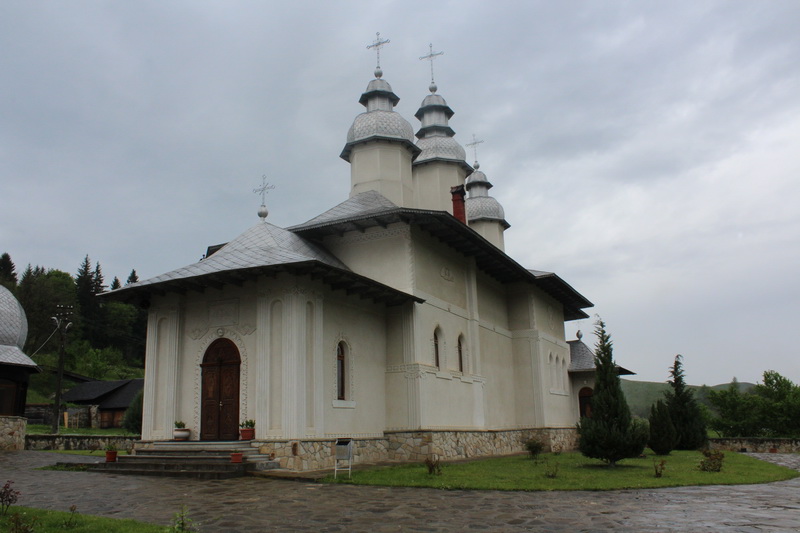
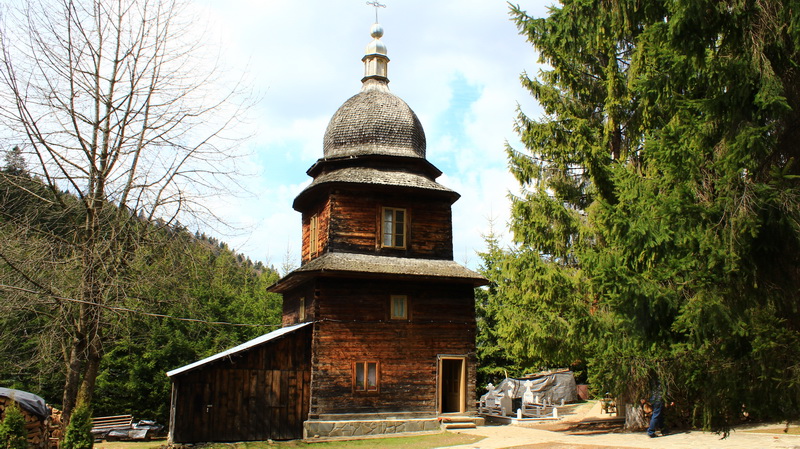
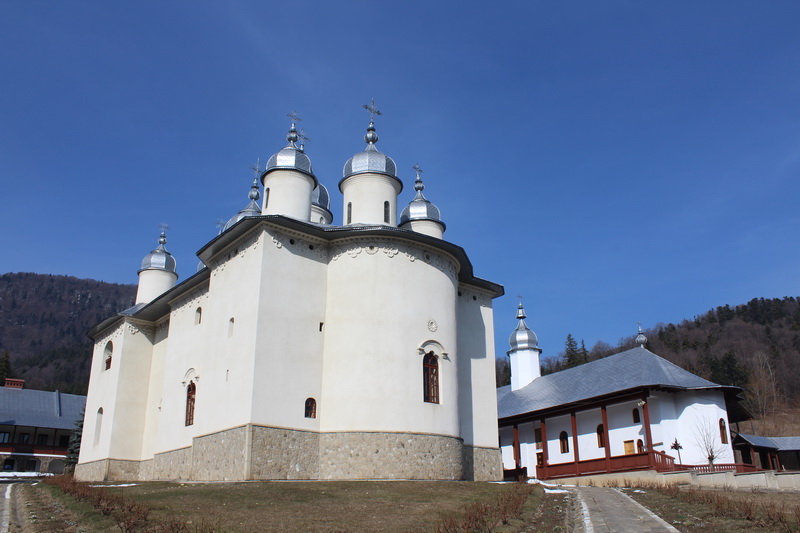
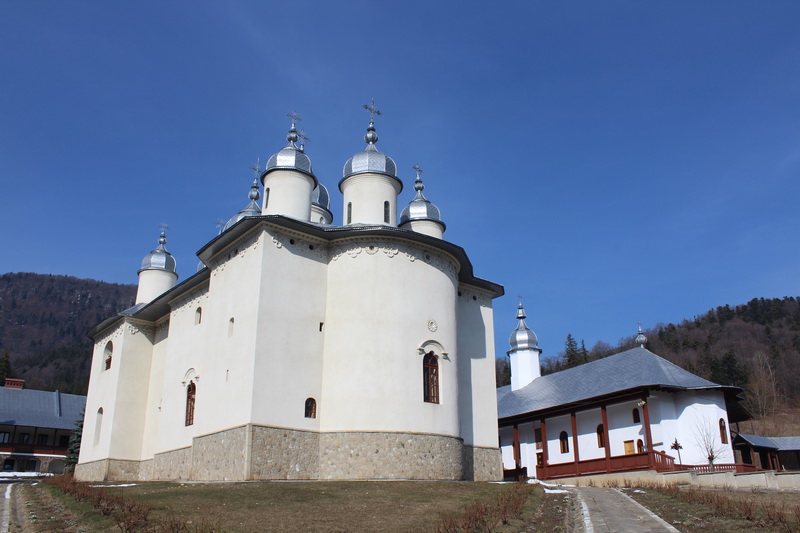
Near the monastery Horaița, a few hundred meters, on the uphill road is Horaicioara Hermitage or Horaicioara Veche, that exists there since 1466, as recorded document mention in the porch of the church.
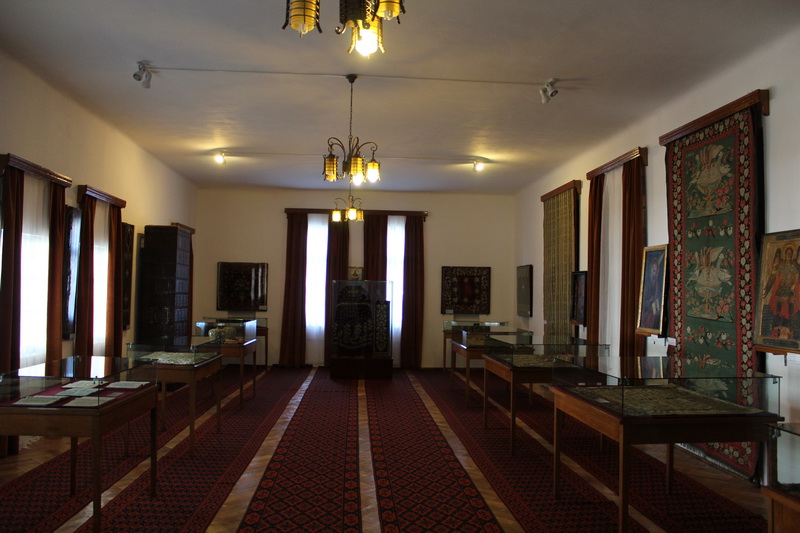
In Văratec Monastery Museum, founded in 1960, are preserved a large number of authentic charters, such as acts of donation and strengthening, religious books, manuscripts and old books used in the monastery, as well as books of religious literature.
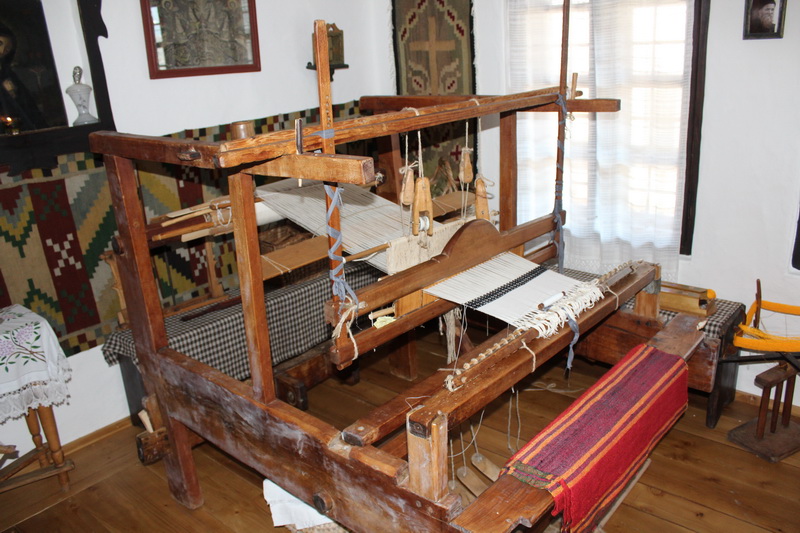
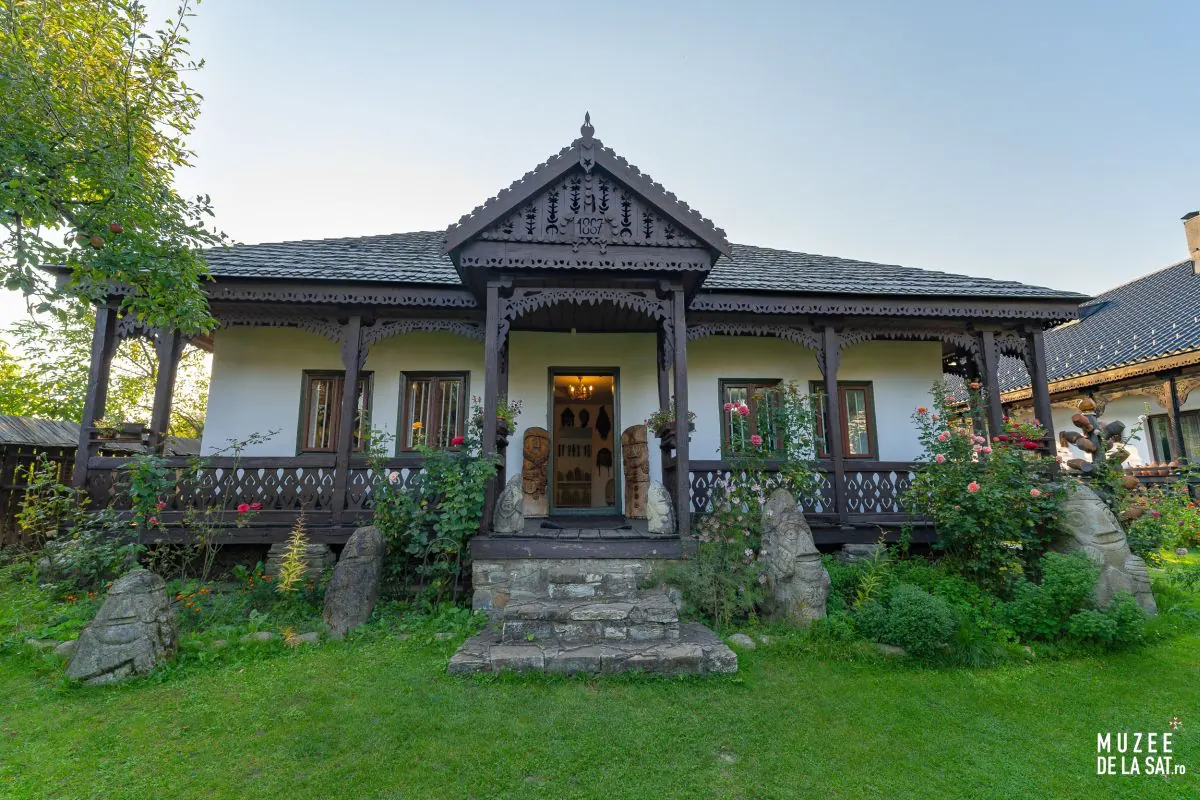
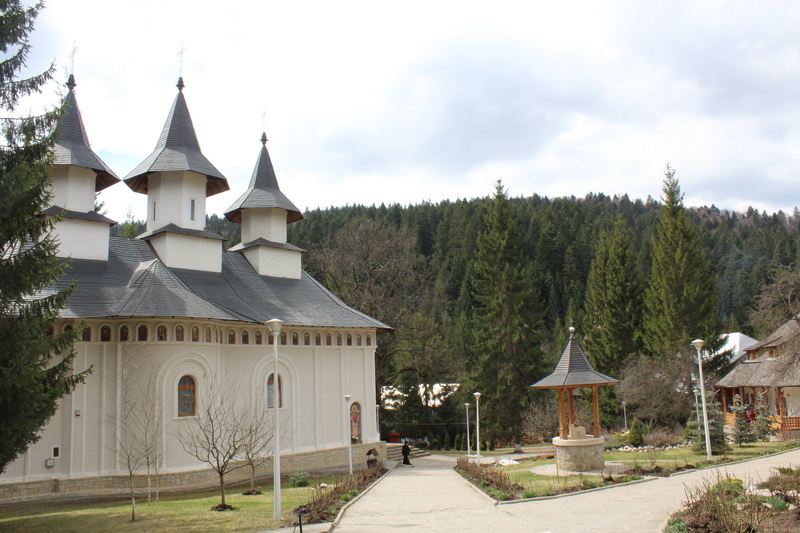
Located between the mountains that carrying ancient forests and emphasizes the beauty of a place cherished with christian love, Agapia Monastery, one of the most famous in Moldova, is first mentioned in 1437.
Nicholae Tonitza, whom about Tudor Arghezi wrote “Tonitza is a word complex concentrated active; big in all components … .
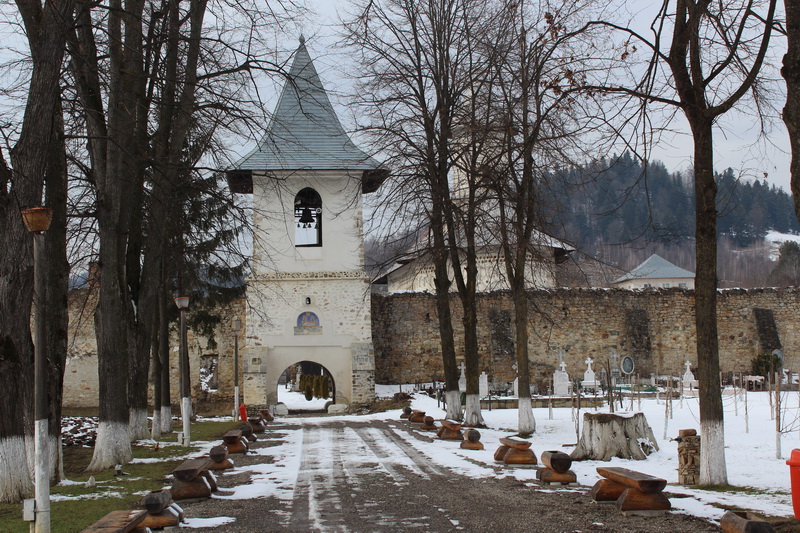
The first document attesting the existence of the monastic settlement is from 1458, when Stephen the Great strengthens the boundaries of the monastery, then through another document, in 1481, the prince gives it two villages from The Field of Dragos.