Spring also begins with cultural events in Neamț
Fifth “Ion Creangă” National Prize for Prose, Opera omnia gala
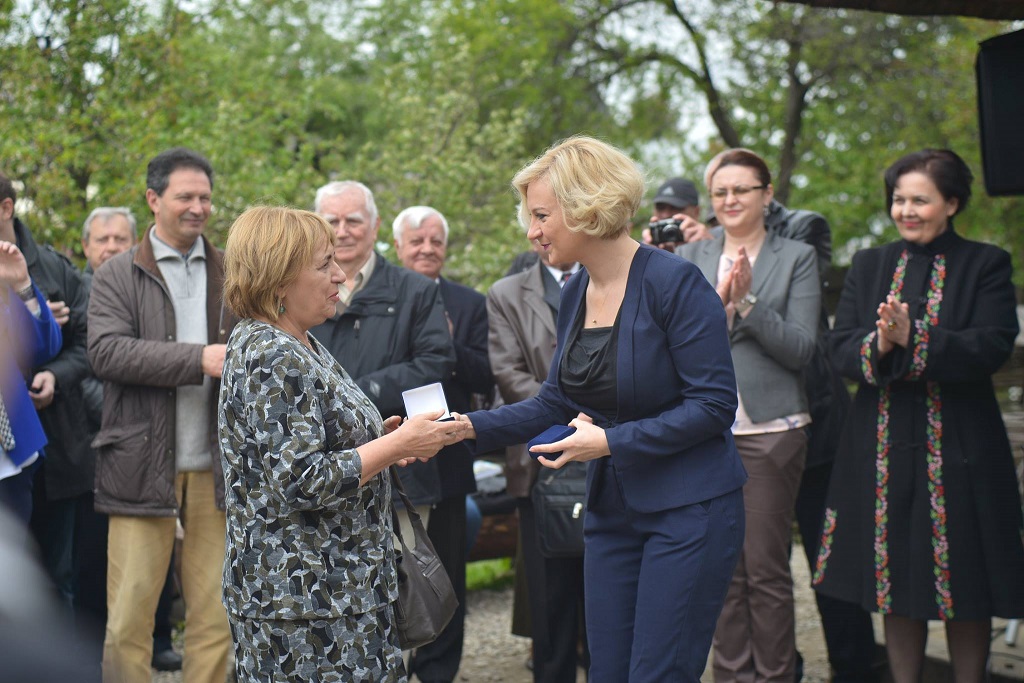
1 March, the beginning of spring and the birthday of storyteller Ion Creangă (184 years), also marked the fifth “Ion Creangă” National Prize for Prose, Opera omnia gala, at which writer Gabriela Adameșteanu was named the winner.
A major cultural project in the events programme of the “Carmen Saeculare” Centre for Culture and Arts, the “Ion Creangă” National Prize for Prose, Opera omnia, is funded by Neamț County Council and was initiated in 2017 by literary critic Cristian Livescu.
For this edition, writer Nicolae Breban, a member of Academia Română, was appointed chair of the jury. Joining him on the jury were writers and literary critics Bogdan Crețu, Mircea A. Diaconu, Constantin Dram, Adrian Dinu Rachieru, Theodor Codreanu and Cristian Livescu.
The nominees for the fifth edition of the “Ion Creangă” National Prize for Prose, Opera omnia, were selected following a thorough survey of literary circles conducted by the organisers. They are, in alphabetical order: Gabriela Adameșteanu, Ștefan Agopian, Radu Aldulescu, Petru Cimpoeșu, Radu Cosașu, Doina Ruști, Dumitru Țepeneag.
The jury ultimately decided to award the prize to writer GABRIELA ADAMEȘTEAU, who thus joins the four previous winners: Dumitru Radu Popescu (2017), Nicolae Breban (2018), Eugen Uricaru (2019), Dan Stanca (2020).
The “Ion Creangă” National Prize for Prose, Opera omnia project also included plans to publish “Scara ruptă” by prose writer Dan Stanca, last year's winner of the Prize. The book joins a series of anthologies of the winners' work, forming the “Prozatori români laureați ai Premiului Național de proză «Ion Creangă»” series. Other titles published so far include: “Ivan Turbincă și Iapa Troiană” (D. R. Popescu), “Amintiri ale celui ce pare că am fost” (Nicolae Breban) and “Viața altora” (Eugen Uricaru).
GABRIELA ADAMEȘTEANU
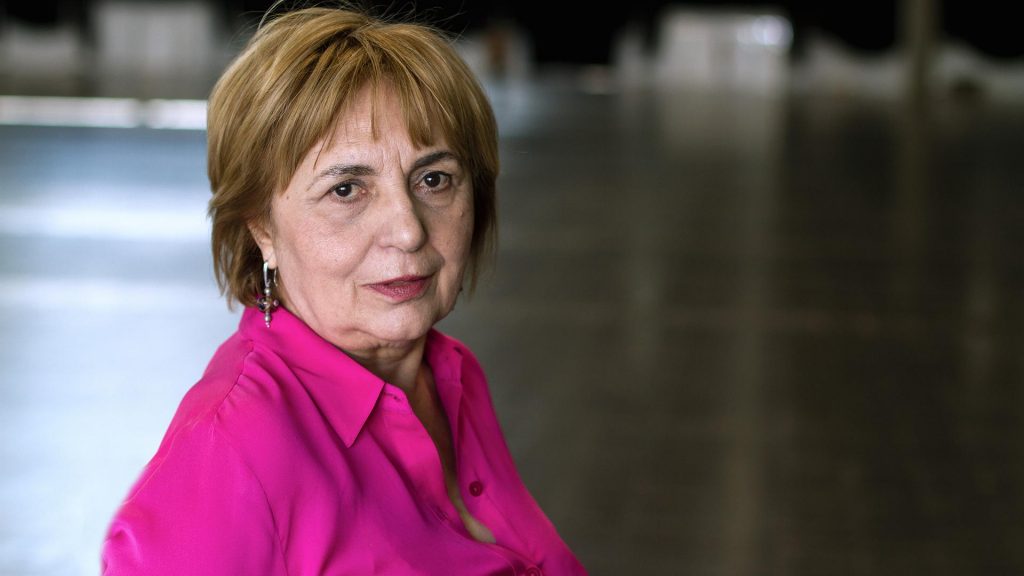
She is the daughter of teachers Mircea Adameșteanu and Elena Adameșteanu (née Predescu). She attended secondary school in Pitești (1956-1960), then graduated from Facultatea de Limba și Literatura Română at Universitatea din București (1960-1965), before entering publishing as an editor at Editura Enciclopedică Română (1968-1974), Editura Științifică și Enciclopedică (1974-1983) and Cartea Românească (1983-1990). In April 1990, she left Editura Cartea Românească for the magazine “22”, becoming its editor-in-chief in September 1991.
She made her literary debut in “Luceafărul” in 1971, and published her first book, the novel “Drumul egal al fiecărei zile”, in 1975. “Dăruiește-ți o zi de vacanță” followed in 1979. The novel “Dimineață pierdută” (1983) brought her success while Romania was still under communist rule. Cătălina Buzoianu's highly successful stage adaptation in 1986 also established the novel's reputation among theatre audiences, with at least two actresses, Tamara Buciuceanu (as Vica) and Gina Patrichi (as Ivona), becoming the very embodiment of their characters.
In 1989, she wrote “Vară-primăvară”, later returning in 2003 to the novella “Întânirea” from that work, which would also give her new novel its title.
From 1989 to 2003, Gabriela Adameșteanu stepped away from literature and devoted herself intensely to political journalism. For many readers, Gabriela Adameșteanu is synonymous with the magazine “22”, Grupul pentru Dialog Social and daily involvement in the harshest, most convoluted and most fraught developments in Romanian politics. Yet the two published records of this work – the interviews in “Obsesia politicii” (1995), and above all the volume “Cele două Românii” (2000) – fall far short of conveying its true scope and significance.
In 2010, Gabriela Adameșteanu published the novel “Provizorat”, and in 2014 she released “Anii romantici”, a book also presented to audiences in Piatra-Neamț at the 2016 edition of the “Libris” Book Fair.
Her work has been translated for readers in France, Estonia, Israel, Bulgaria, Poland and Hungary.
Gabriela Adameșteanu is also known in literary circles for her translations of established writers. Just two examples: Guy de Maupassant, “Pierre și Jean”, Bucuresti, 1978 (in collaboration with Viorica Oancea); Hector Bianciotti, “Fără îndurarea lui IIsus”, București 2003.
Honouring the memory of the great storyteller and recognising literary achievement, the event will become a tradition in Neamț.
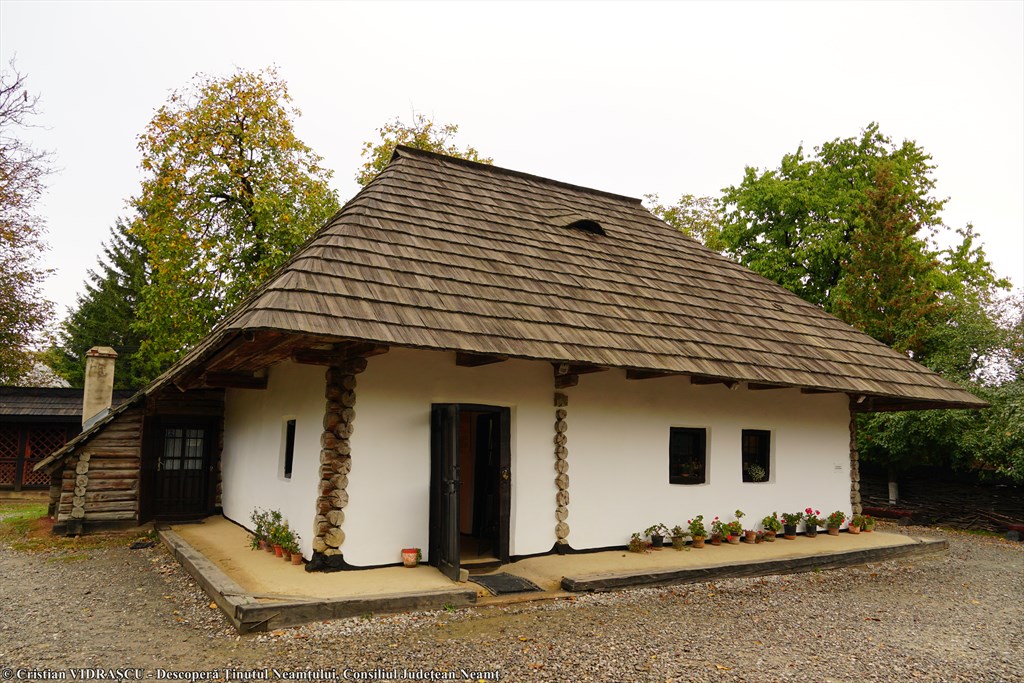
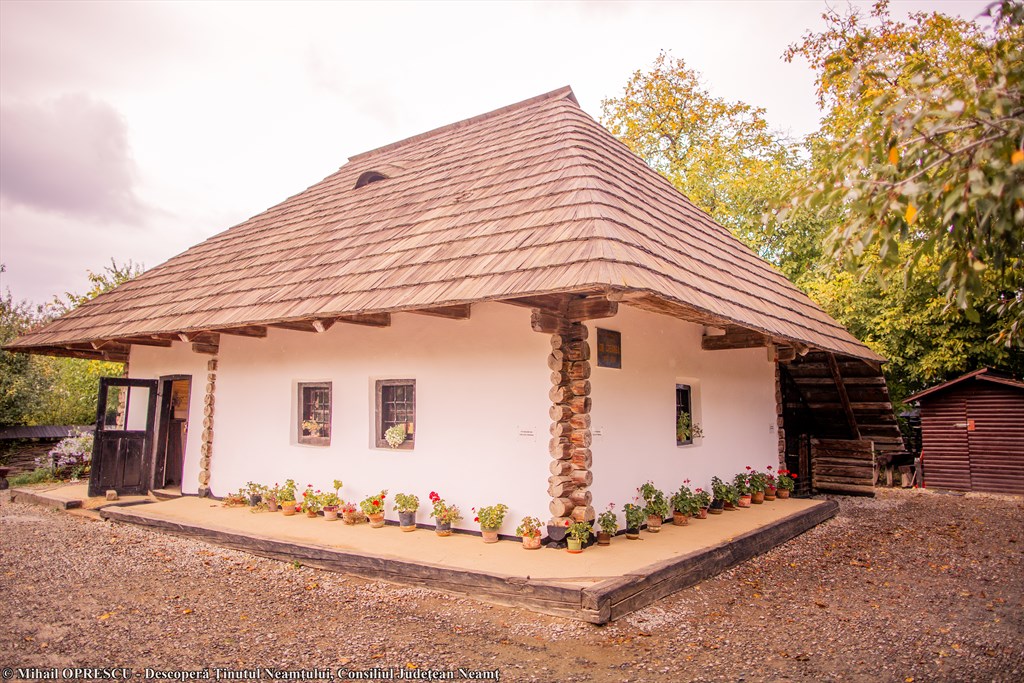
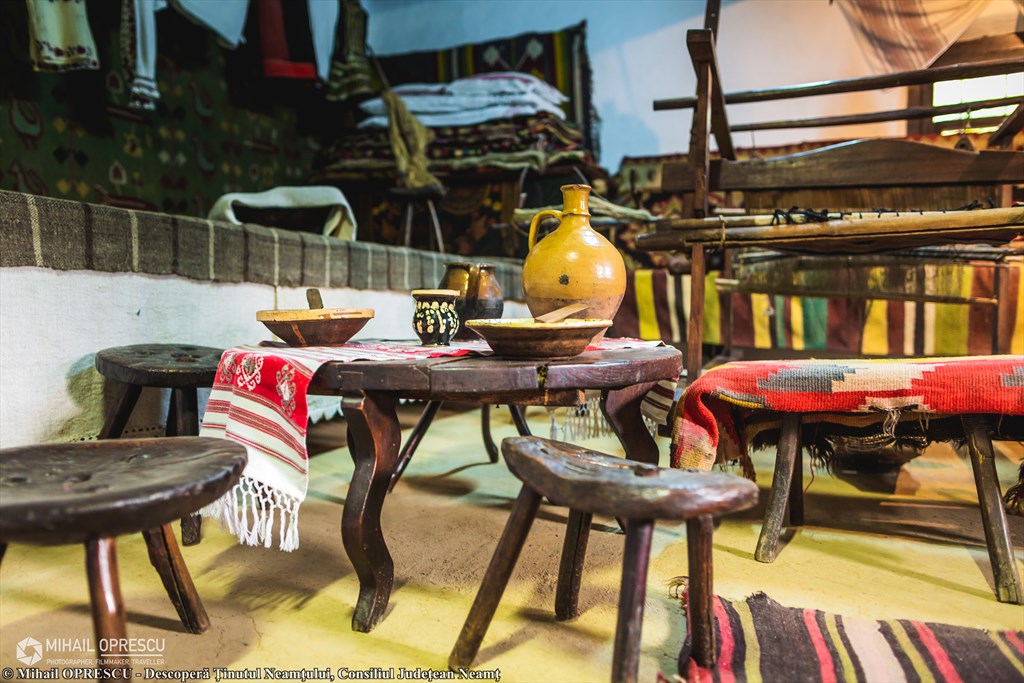
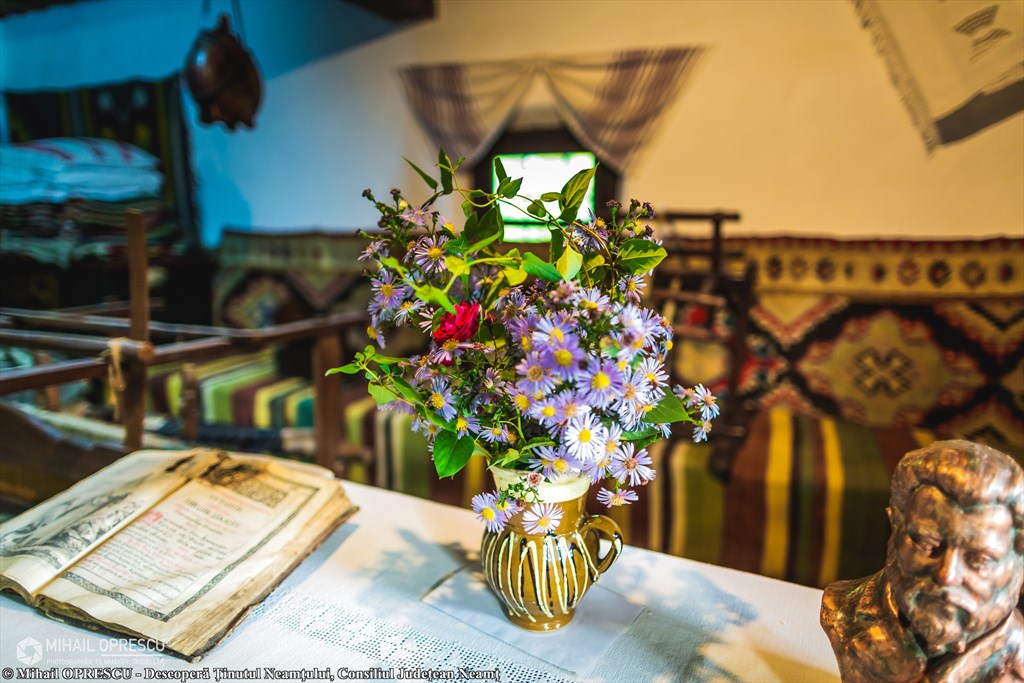
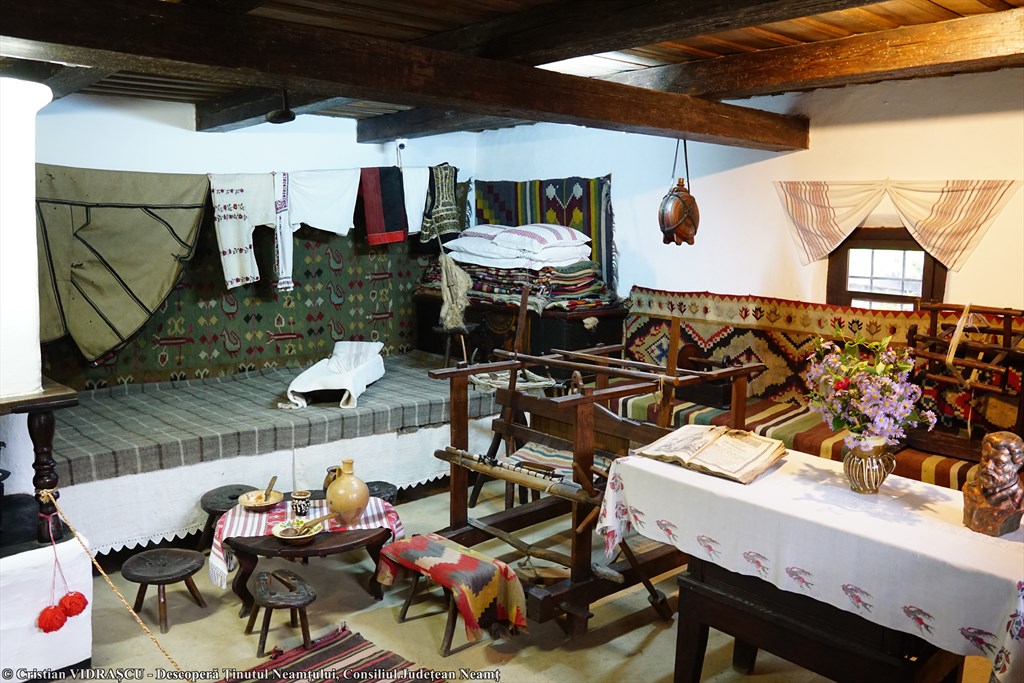
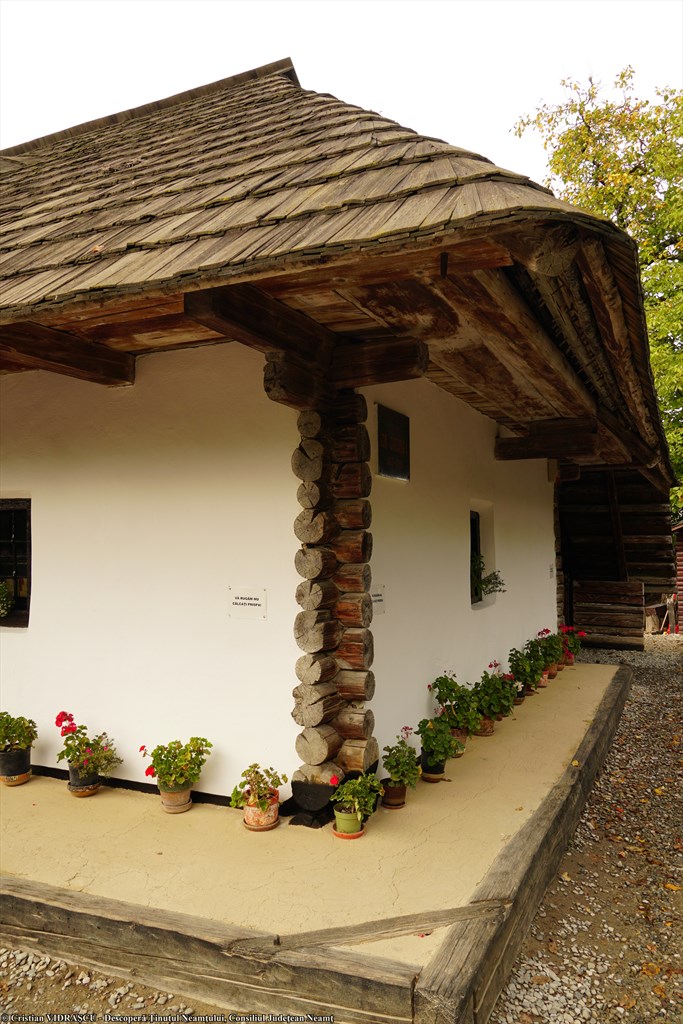
Visitors to the Memorial House in Humulești enter the world of “Amintirilor din copilărie”, discovering everything just as it was described by Romania's brilliant, unique and much-loved storyteller: “I do not know what others are like, but when I think of my birthplace, of my parents' house in Humulești, of the chimney post where Mother tied a string with tassels at the end that the cats went wild playing with, of the clay-coated hearth ledge I held on to when I first began to toddle, of the oven I hid on when we boys played hide-and-seek, and of all the other games and toys full of childhood fun and charm, my heart still seems to leap with joy!” – Ion Creangă.
Photo gallery:
More on the same topic

Neamț County, an Ambassador for Local Traditions and Values in Brussels
Neamț County showcased its values, traditions and development potential on the European stage during European Week of Regions and Cities, held in Brussels from 12 to 14 October.

Solo painting exhibition – Florin Mareș
Starting Saturday, 10 October 2026, the Art Museum in Roman opens a new solo exhibition by the visual artist Florin Mareș of Roman.

Book launch: “Regina Maria a României. Din viață în eternitate” by historian Narcis Dorin Ion
Neamț National Museum Complex invites audiences in Neamț to the launch of “Regina Maria a României.