1 of 10
Crafts
29 photographs4 min read
© Neamț County Council
Traditions taking shape in Neamț folk art
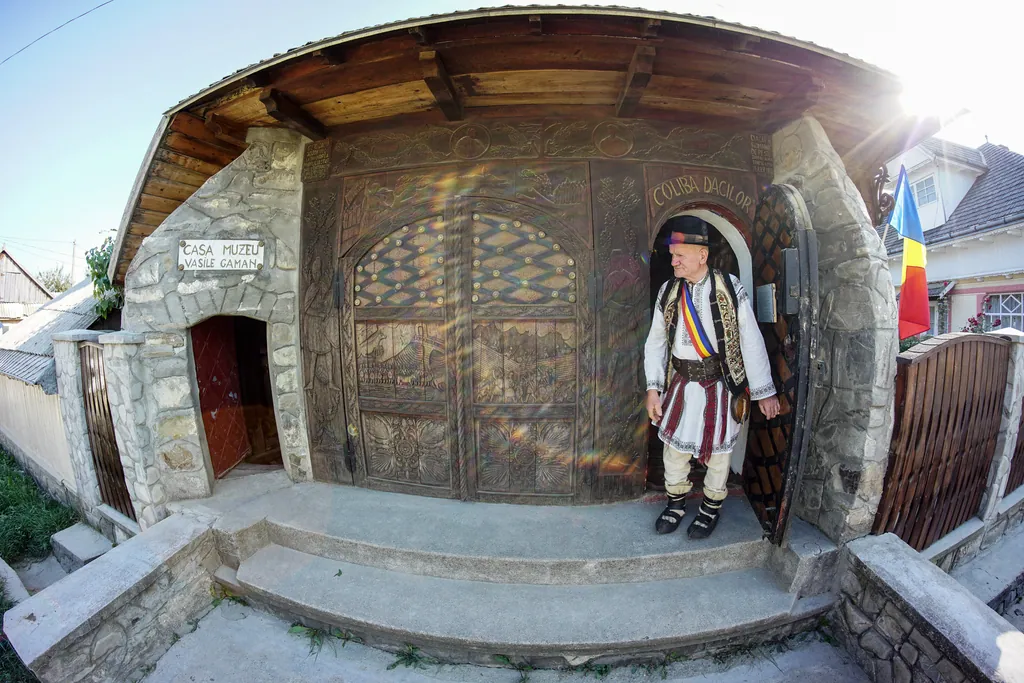
Folk tradition, the body of cultural values that distinguishes and represents a community, is not fixed. It continually changes as people add something new to reflect evolving social and economic conditions, as well as their own outlook and sensibilities. Innovations valued and accepted by the community became part of local tradition, while unsuccessful attempts were rejected and discarded. The way folk culture changed varied from one era to another. Until the beginning of the 20th century, tradition was strictly observed and change was very slow; over the last century, however, people have begun to move away from old customs and adopt innovations more quickly. Material folk culture has changed radically through the gradual abandonment of some traditional elements, through the introduction of better-quality materials and more advanced techniques, shifts in the purpose of objects from practical to decorative, changes in form and decorative style from simple to ornate, the emergence of new creations suited to contemporary needs, and changes in how things are created – from direct transmission through family lines to organised teaching, and from collective, anonymous tradition to individual, recognised work. Spiritual folk culture has changed more slowly. Customs survive today in forms close to tradition, although many are now performed as spectacles. Moving away from old forms and introducing new ones requires a period of preparation in which tradition plays a vital role – both as a starting point and as an inexhaustible source of inspiration.
Contemporary creative work continues the tradition in part, forming a bridge between past and future. It is only a proposal for a future tradition, if it gains public acceptance and becomes part of the values of folk culture.
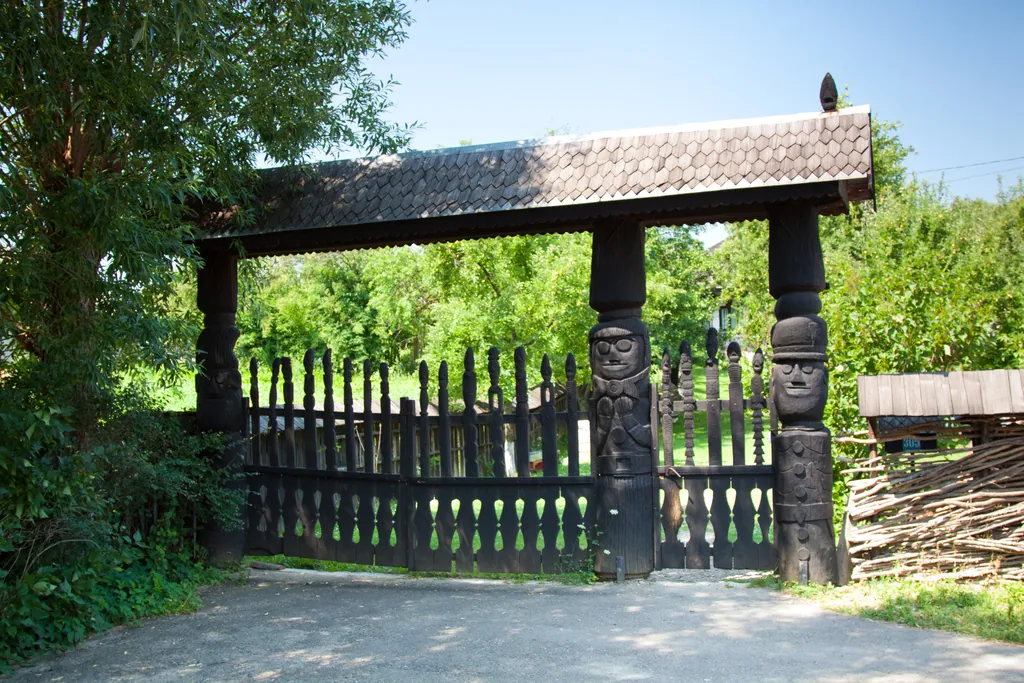
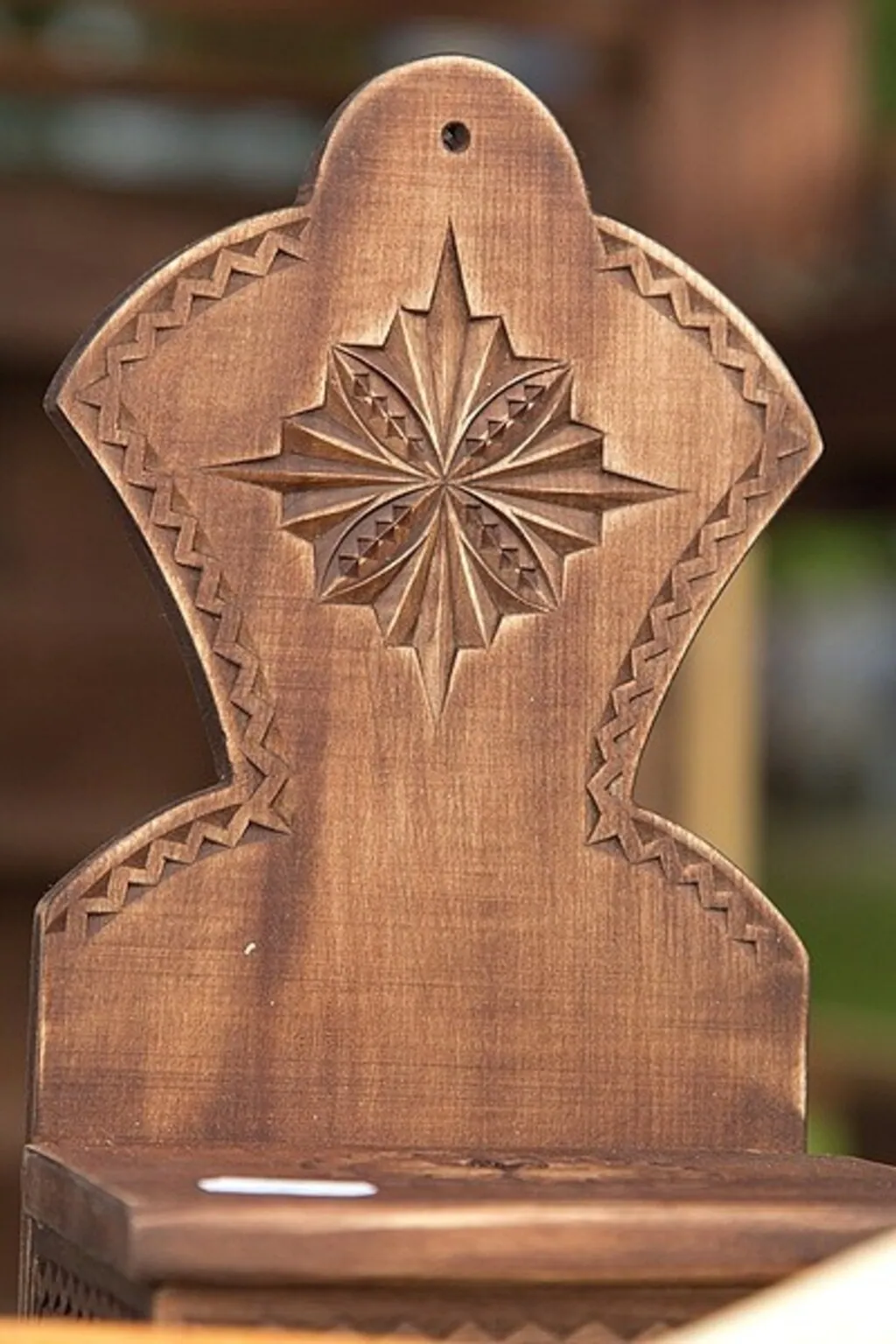
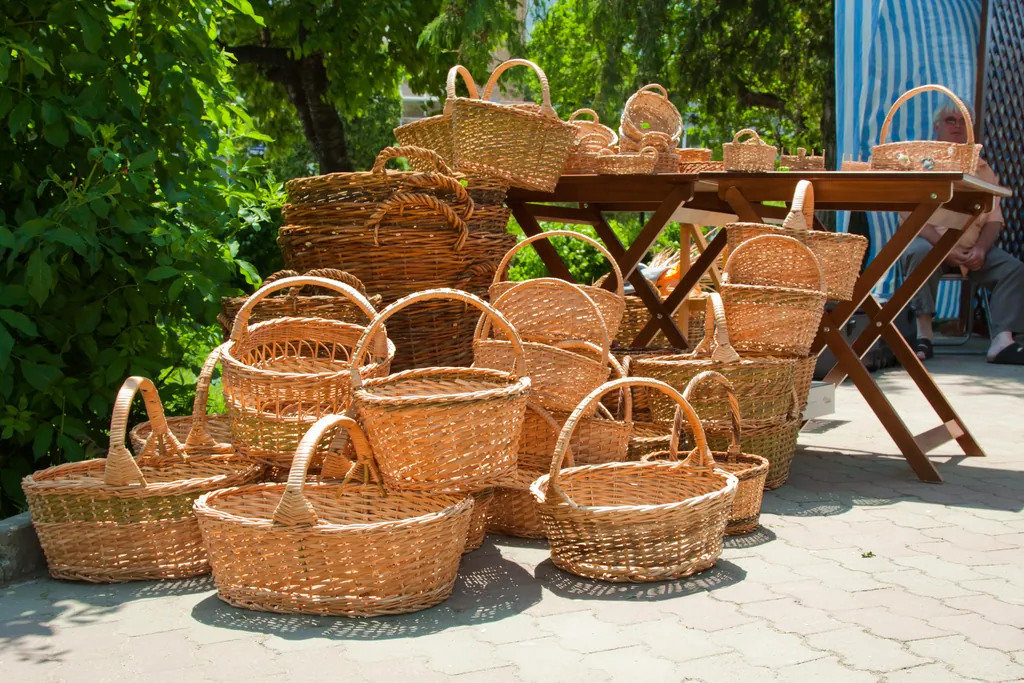
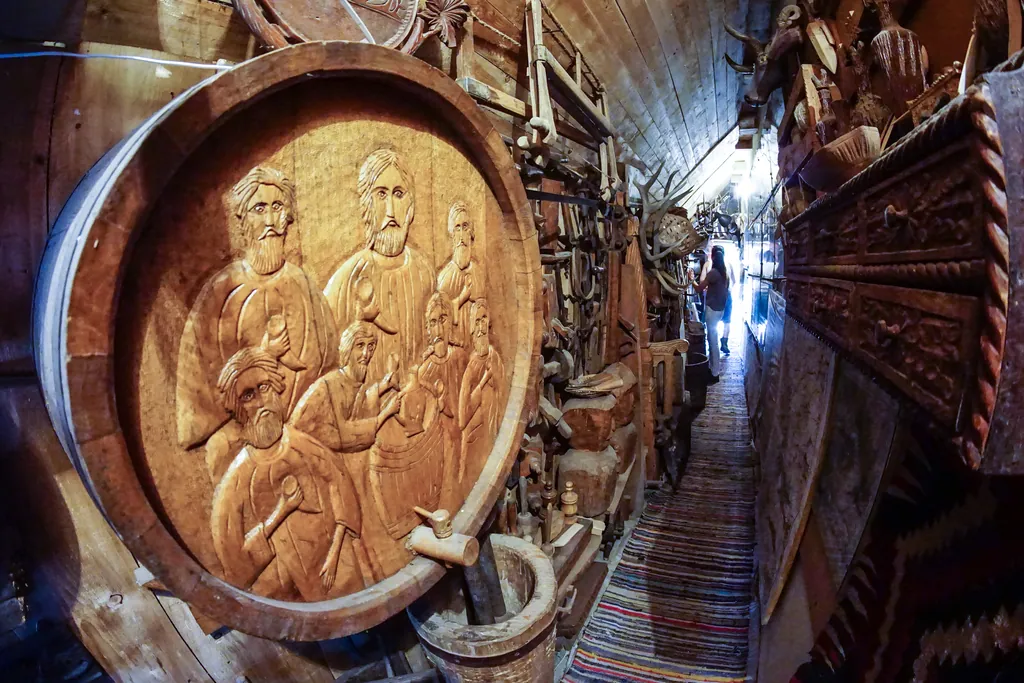
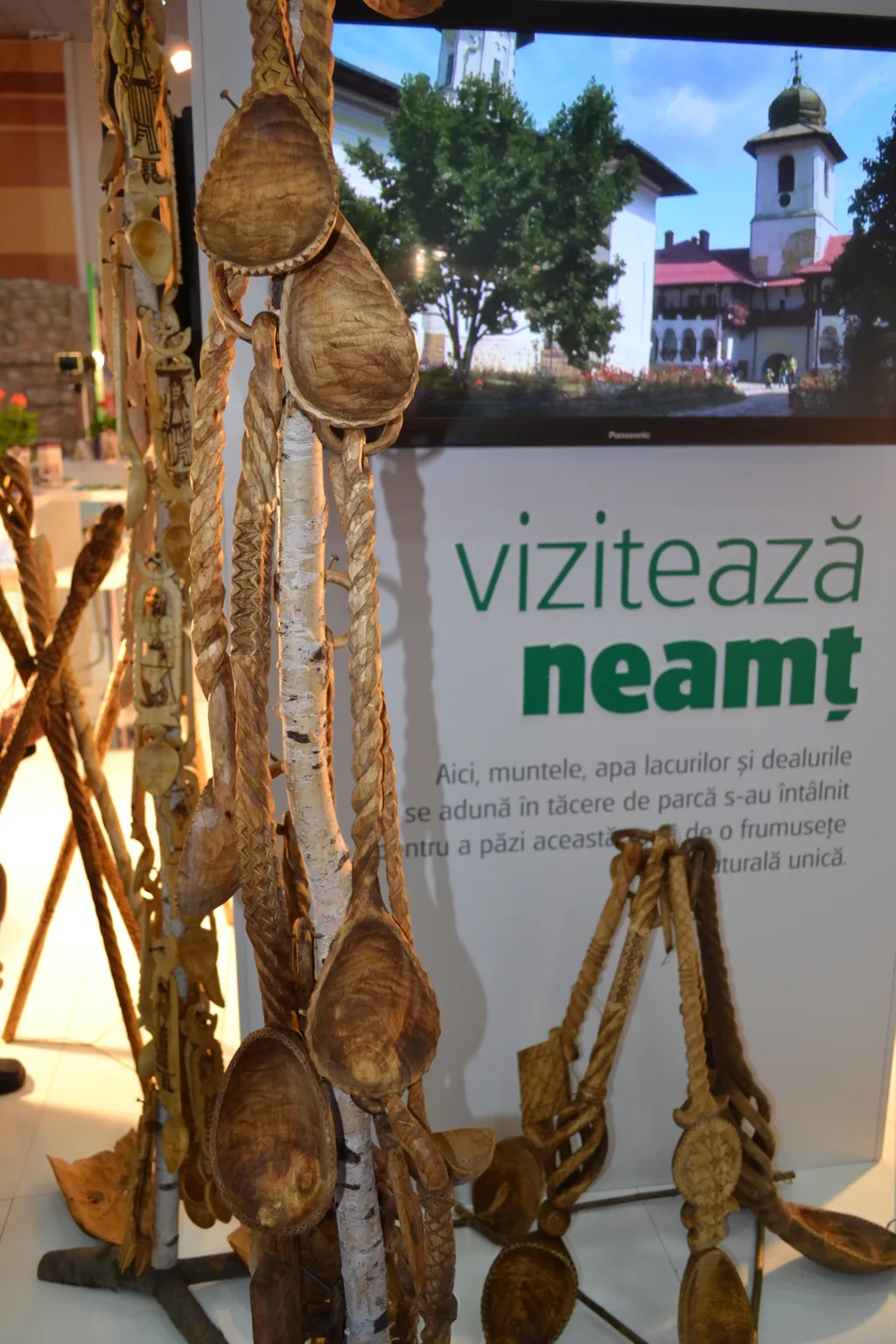
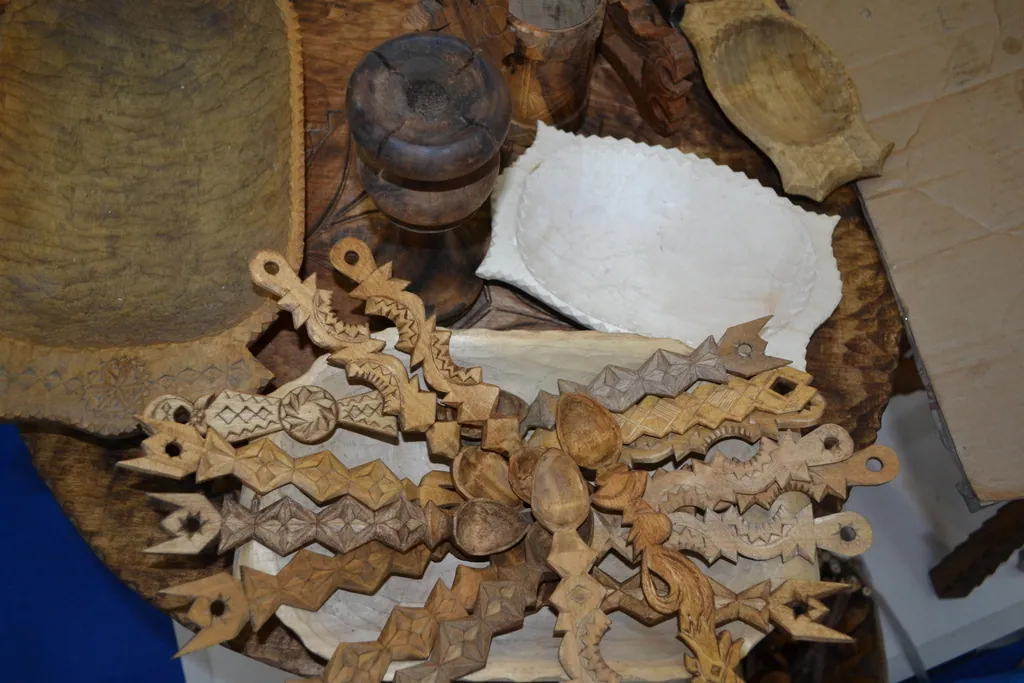
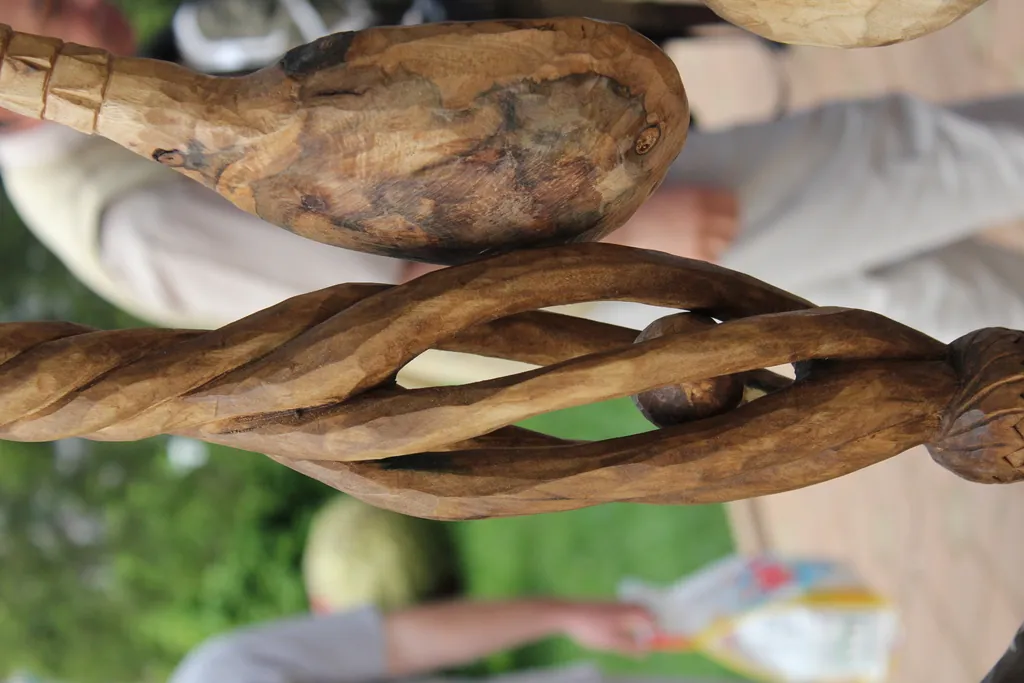
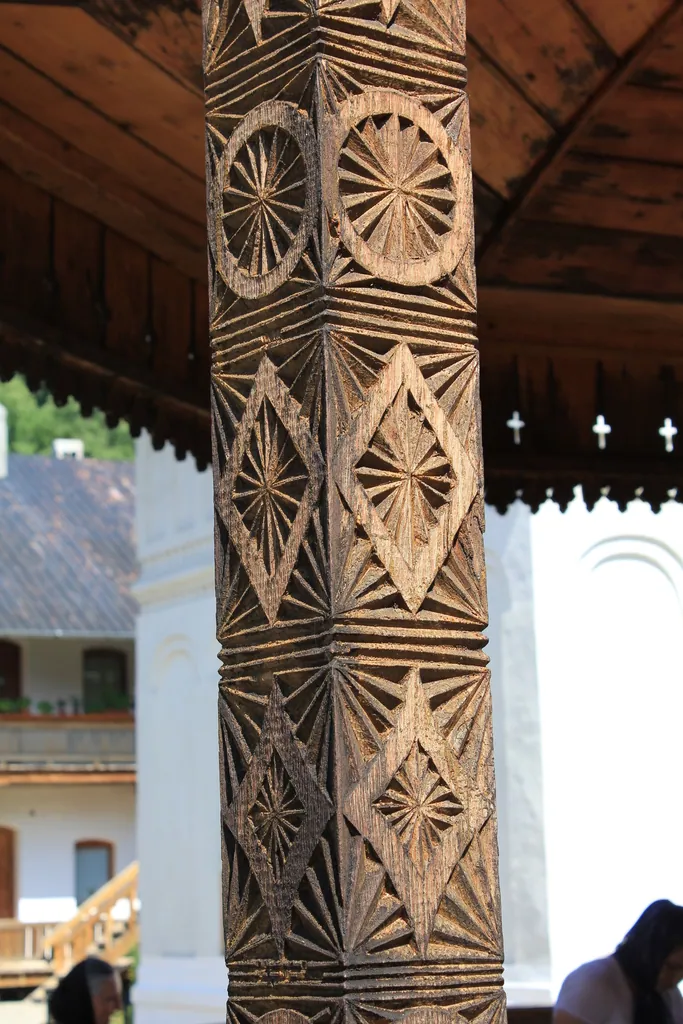
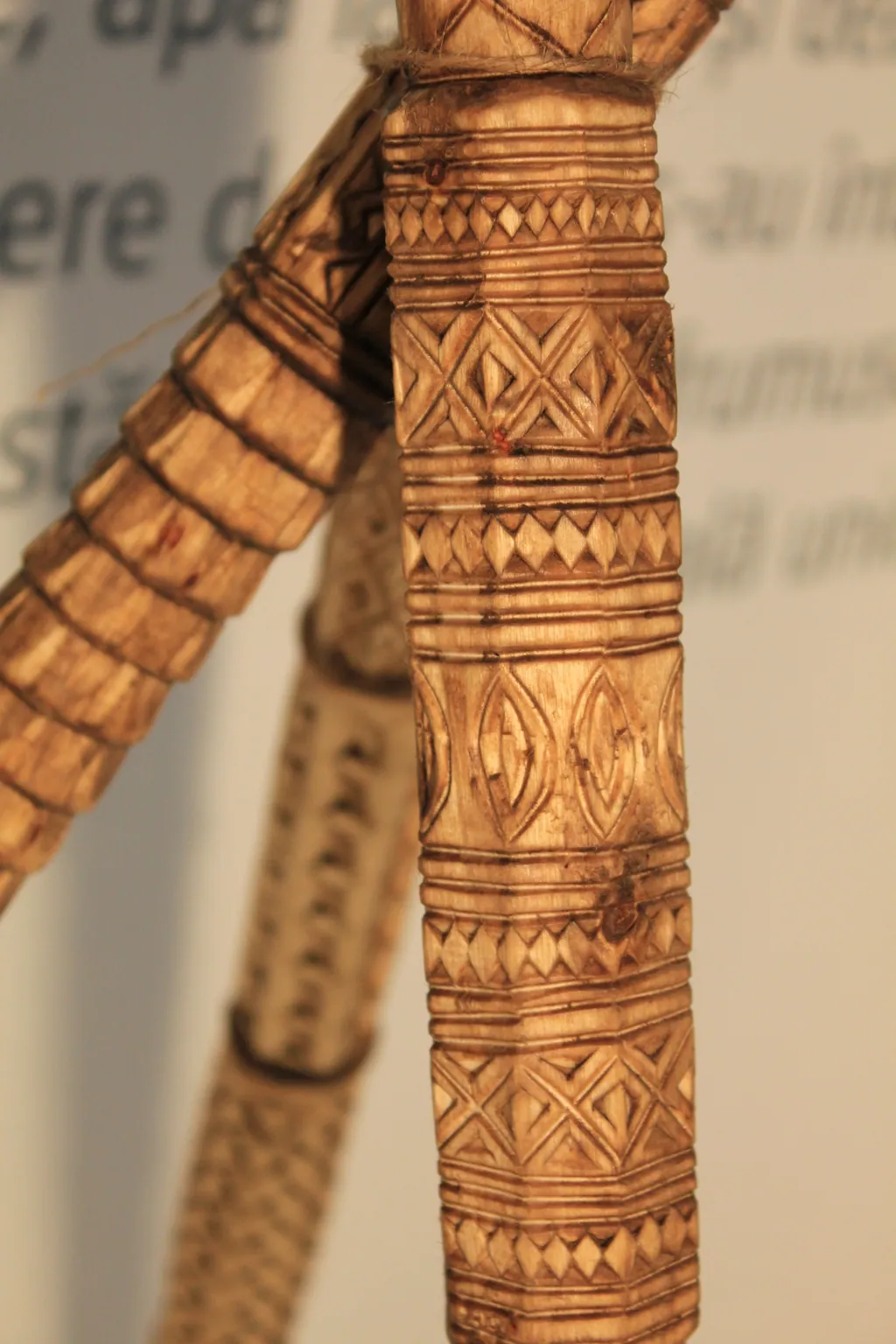
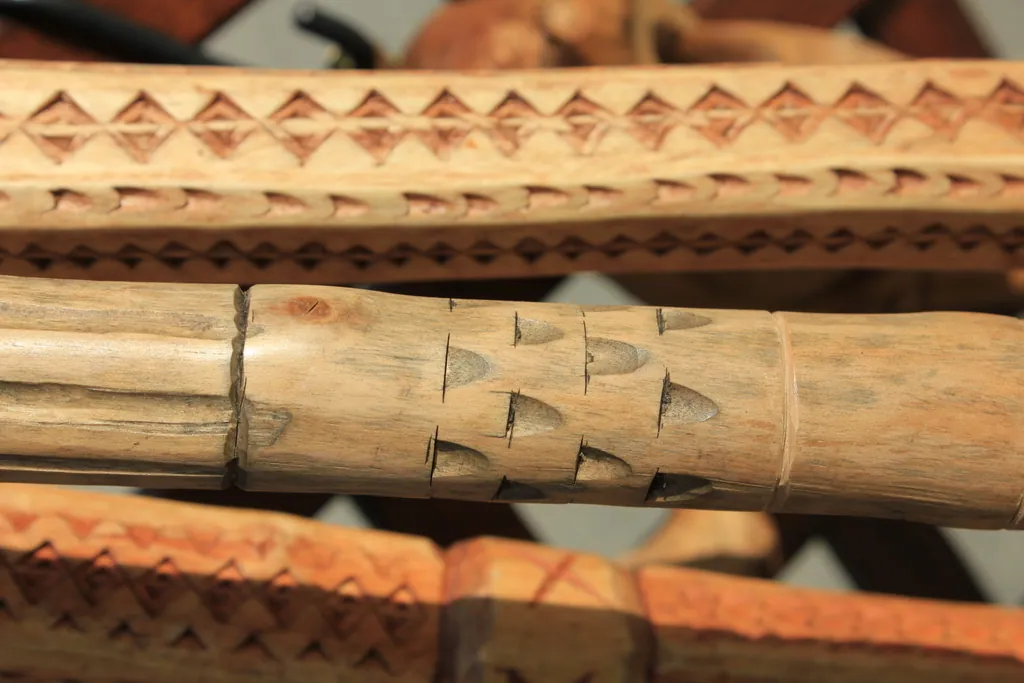
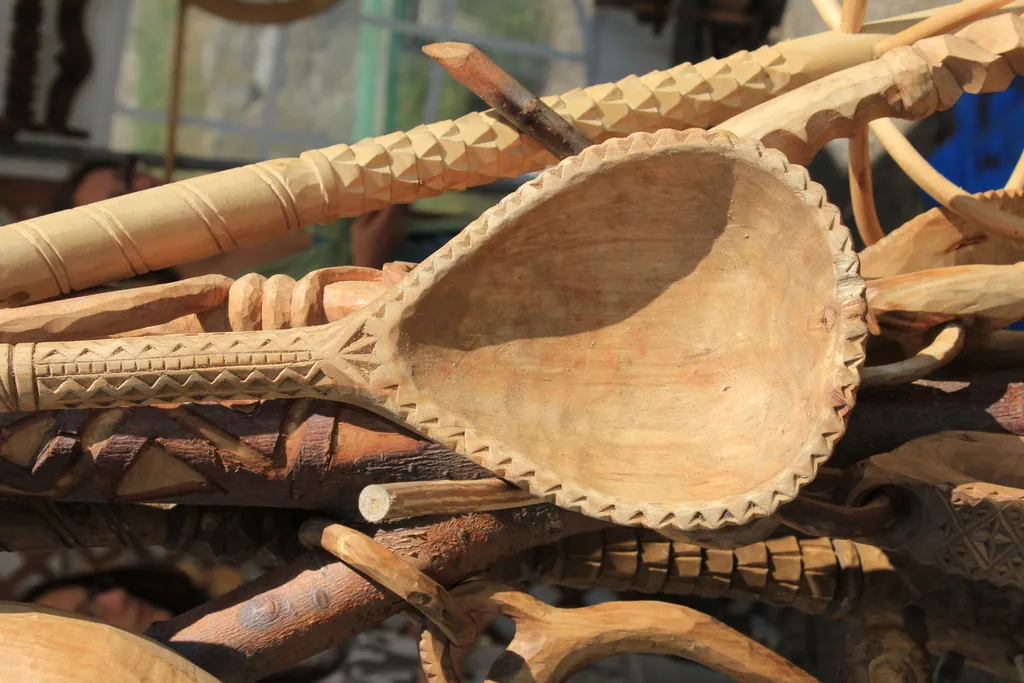
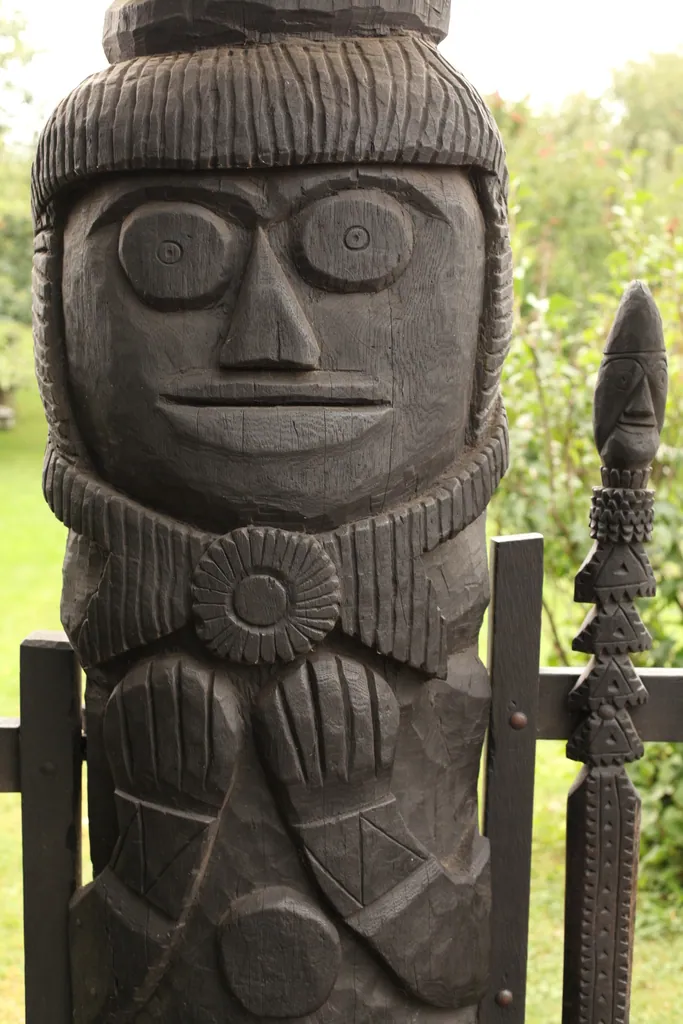
Woodworkers seek to introduce new decorative forms into traditional designs. Craftspeople in Tazlău, Cândești and Costișa make tall gates adorned with decorative floral panels, setting a trend in these villages over the past three decades. Spoon makers from the village of Țolici-Petricani, specialists in the so-called “spoon industry”, have focused over the past two decades on making miniature turned and carved objects: small barrels, vases, flasks, boxes …, which are popular in some European countries. Folk craftspeople from Humulești make shepherds’ clubs, staffs and hatchets with traditional carved patterns and decorative tin foil appliqués – an old craft they have revived using the same techniques: hammering, casting and cutting. Basket makers from the villages of Răucești, Roznov and Botești form a distinct group, artfully weaving twigs into new and varied forms of baskets, stands and other everyday objects.
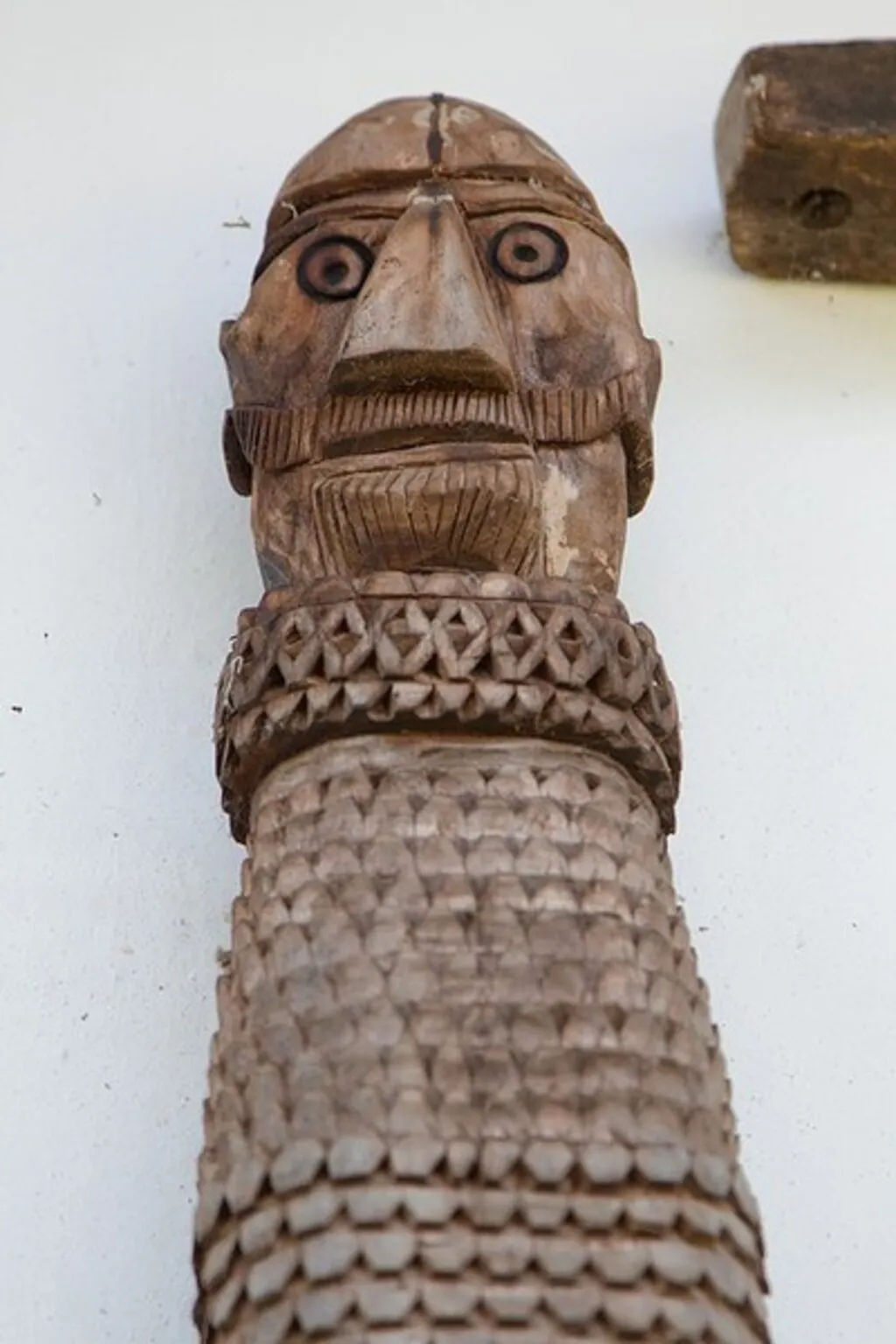
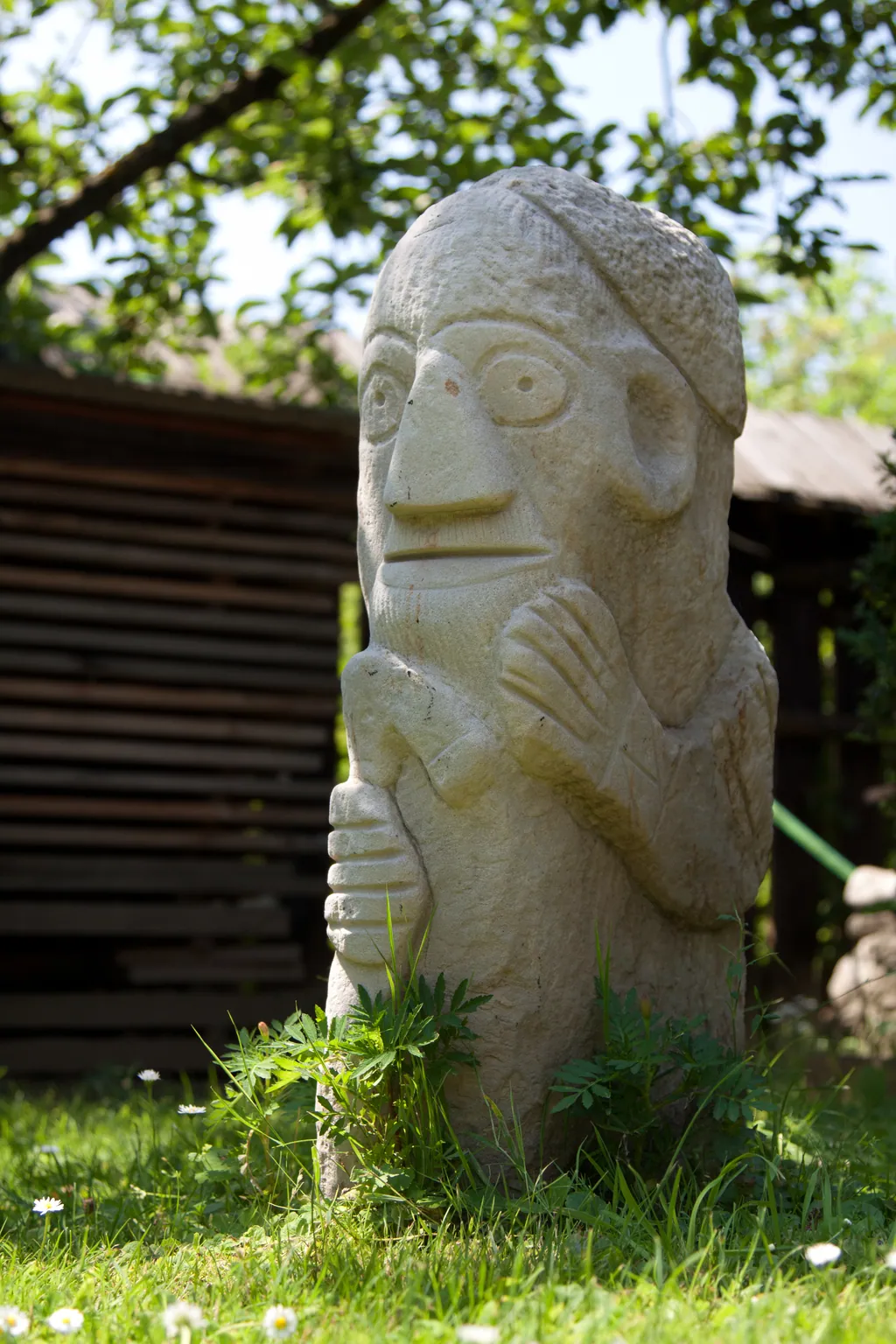
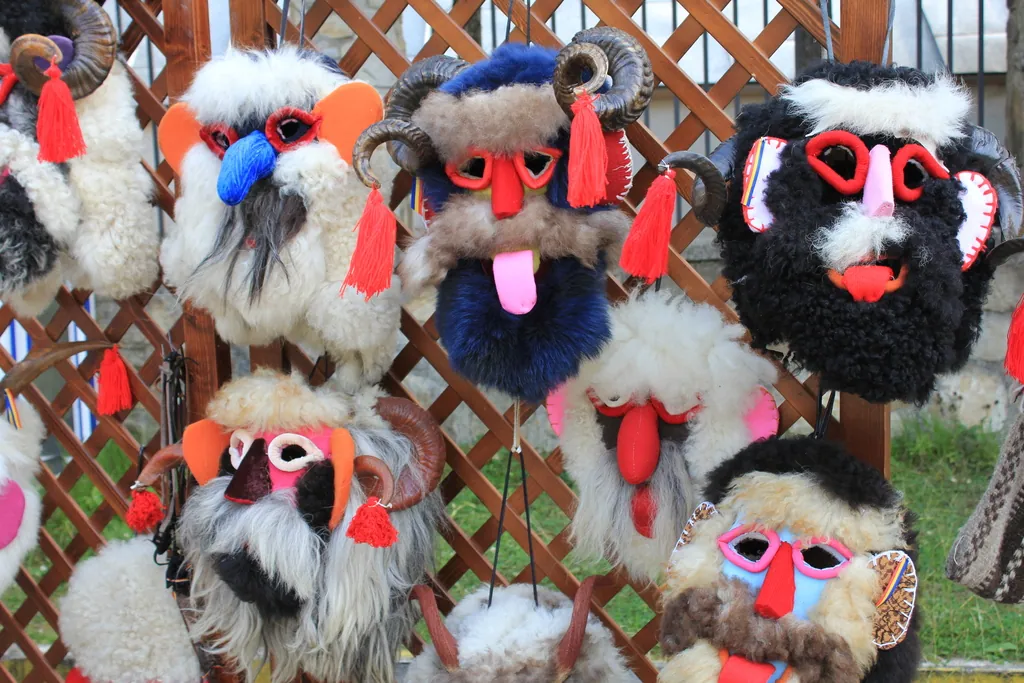
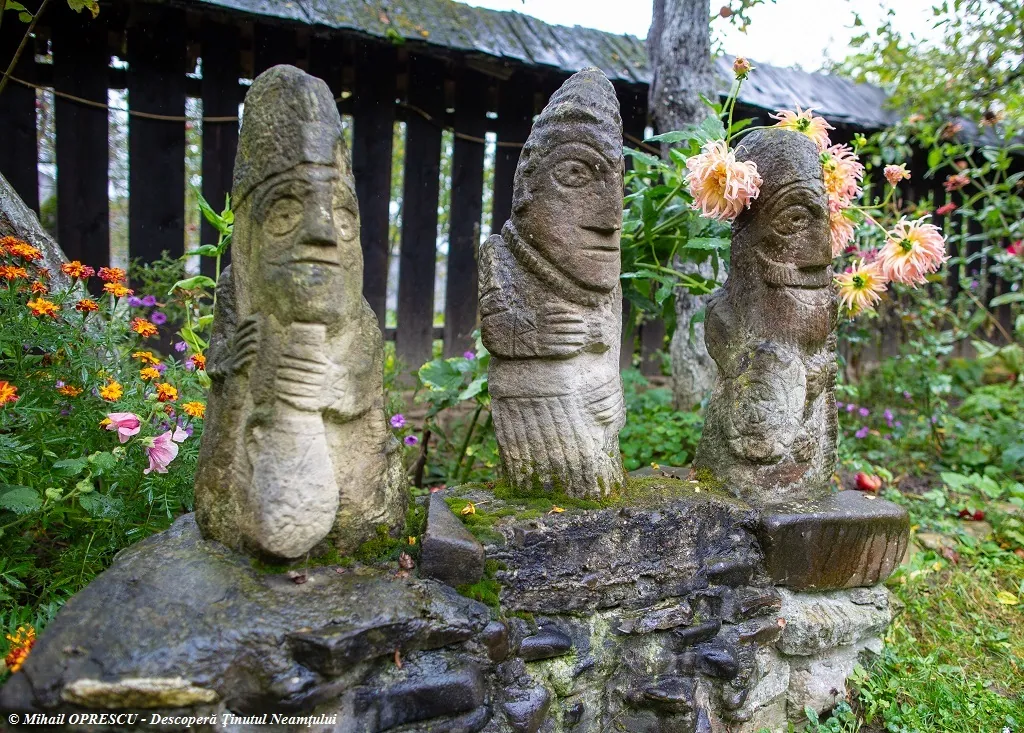
Woodworkers also seek to produce more original pieces. Craftspeople in the village of Nemțișor- Vânători-Neamț use crooked fir or alder branches to make garden furniture: benches, chairs, swings and other pieces. Other craftspeople make wooden masks with very unusual facial features to decorate interiors.
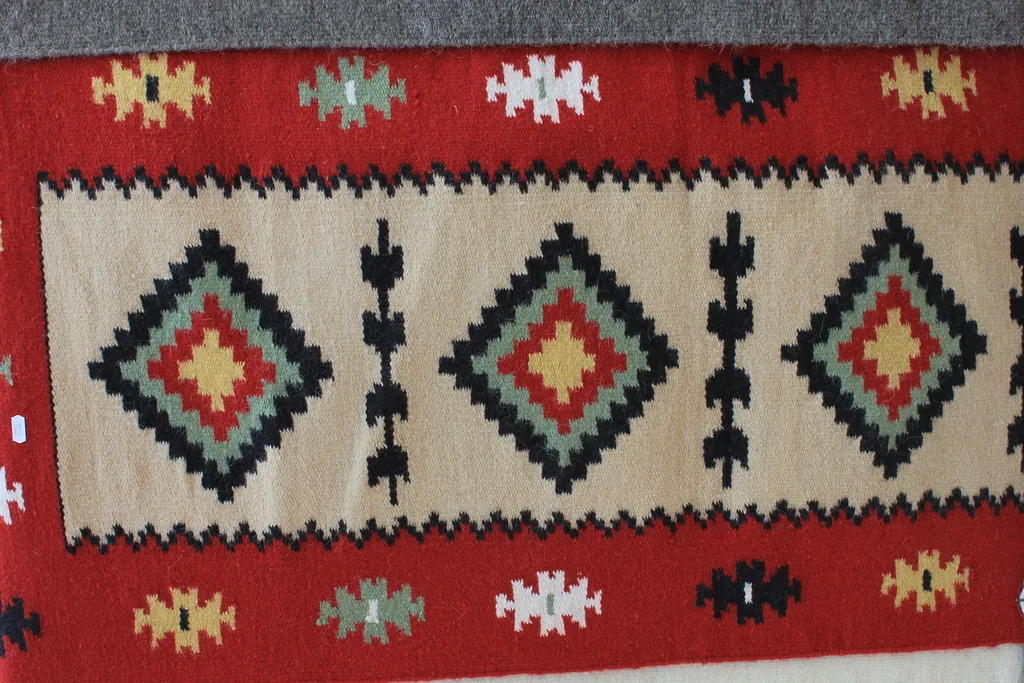
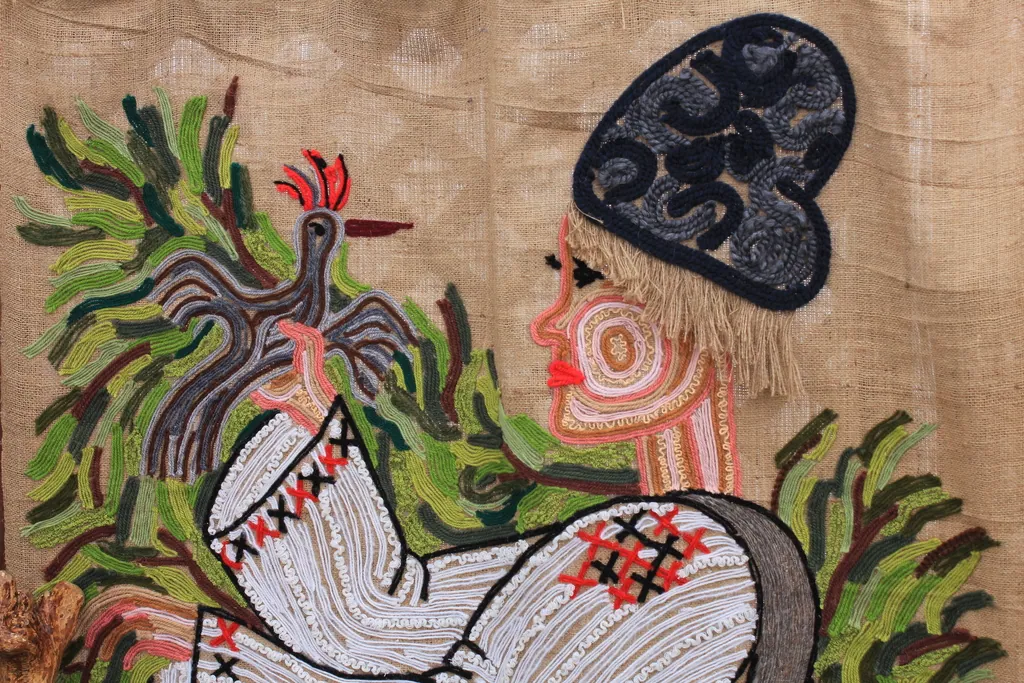
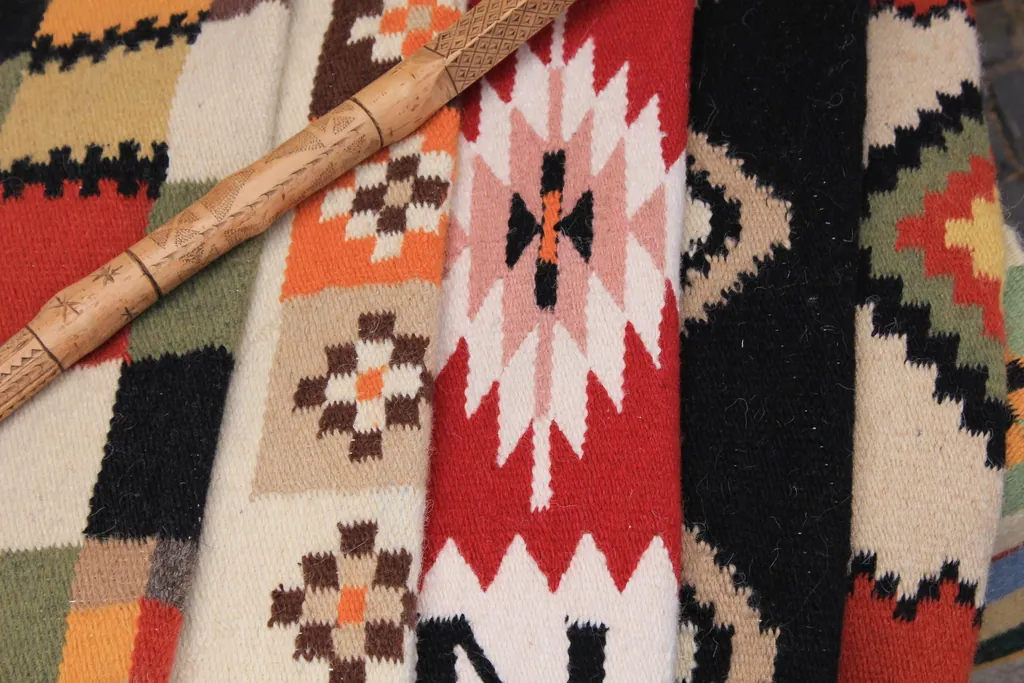
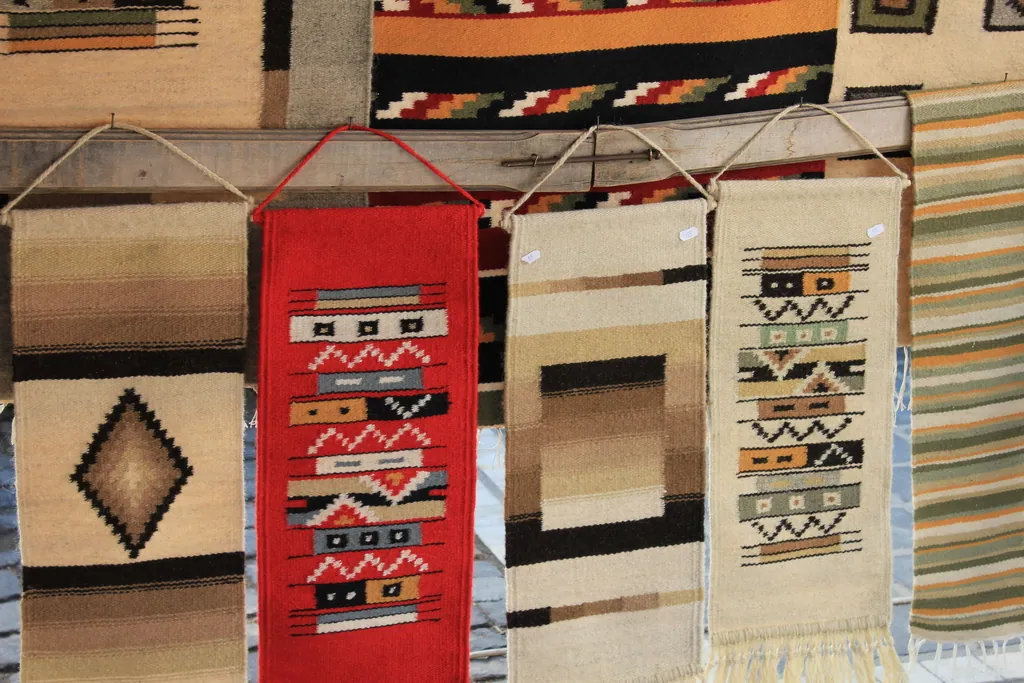
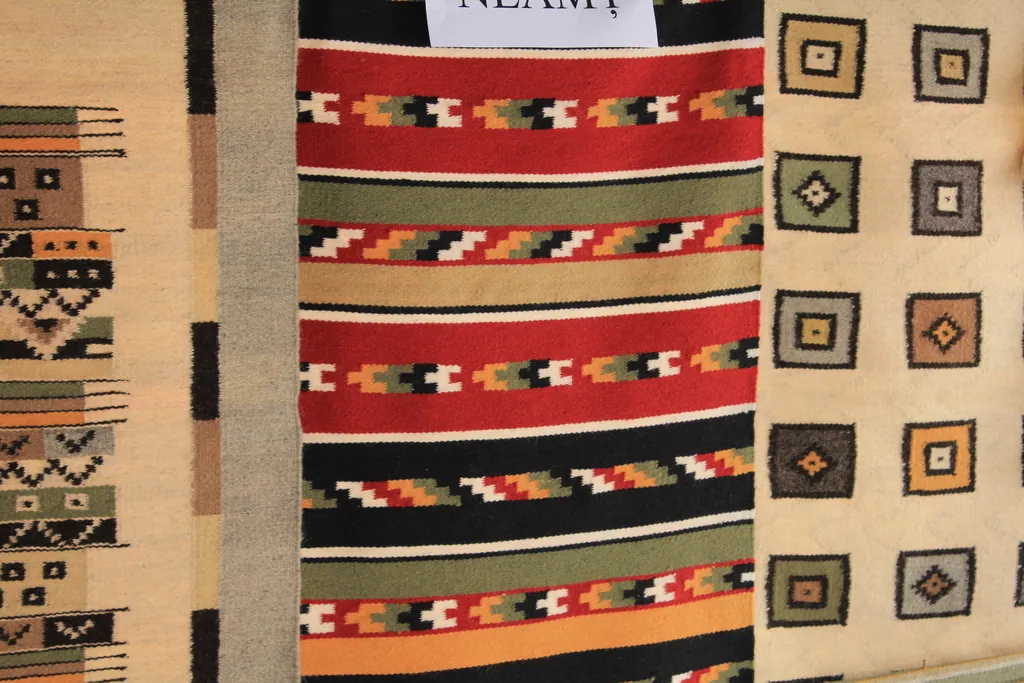
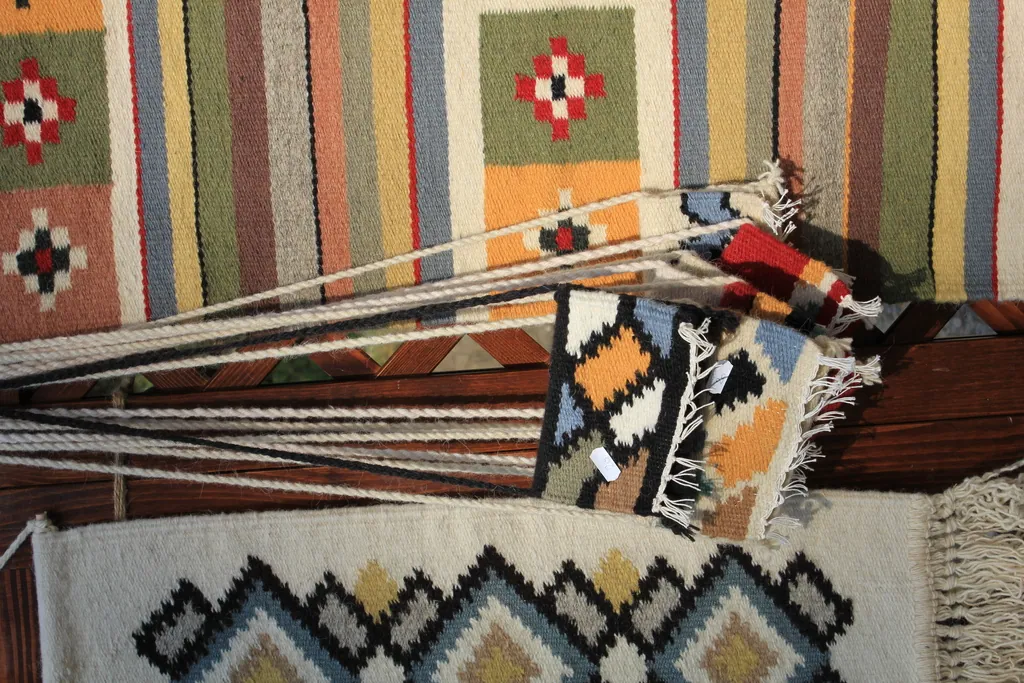
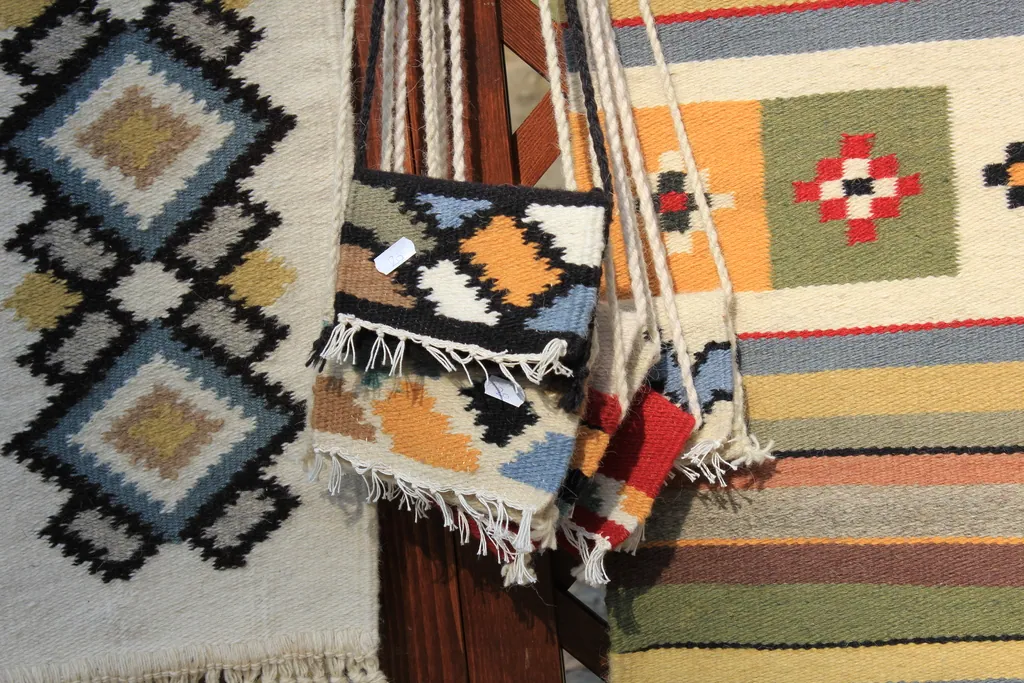
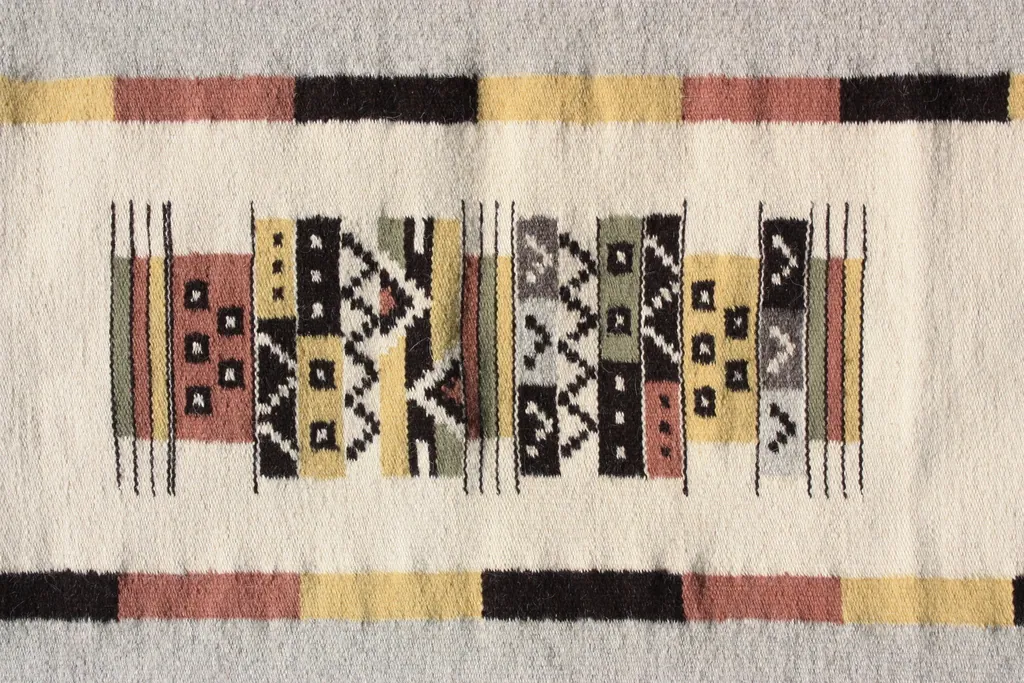
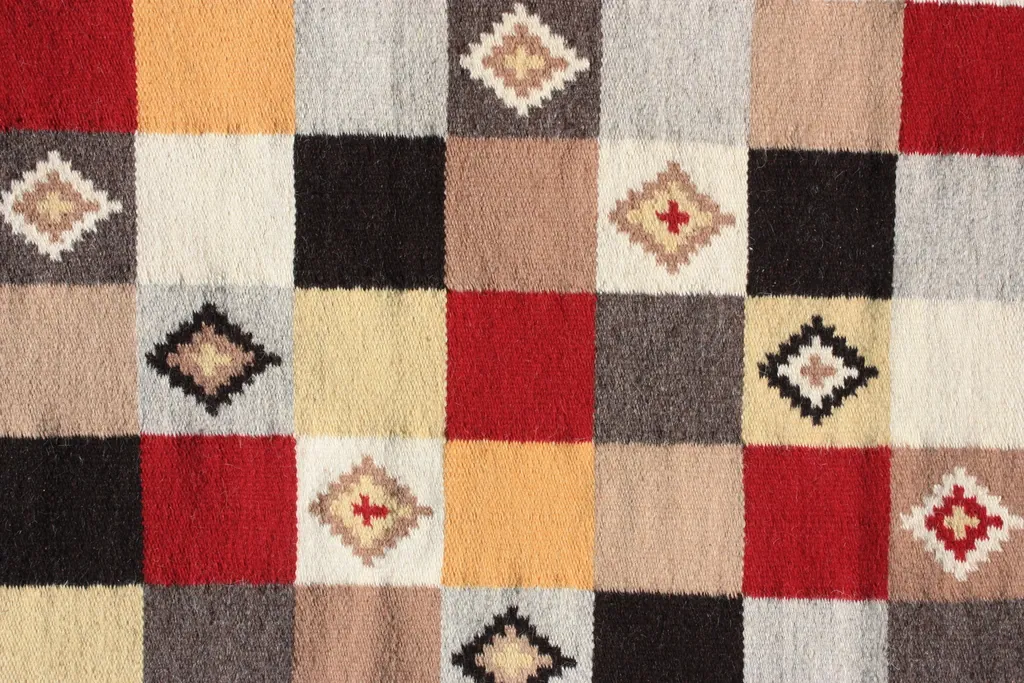
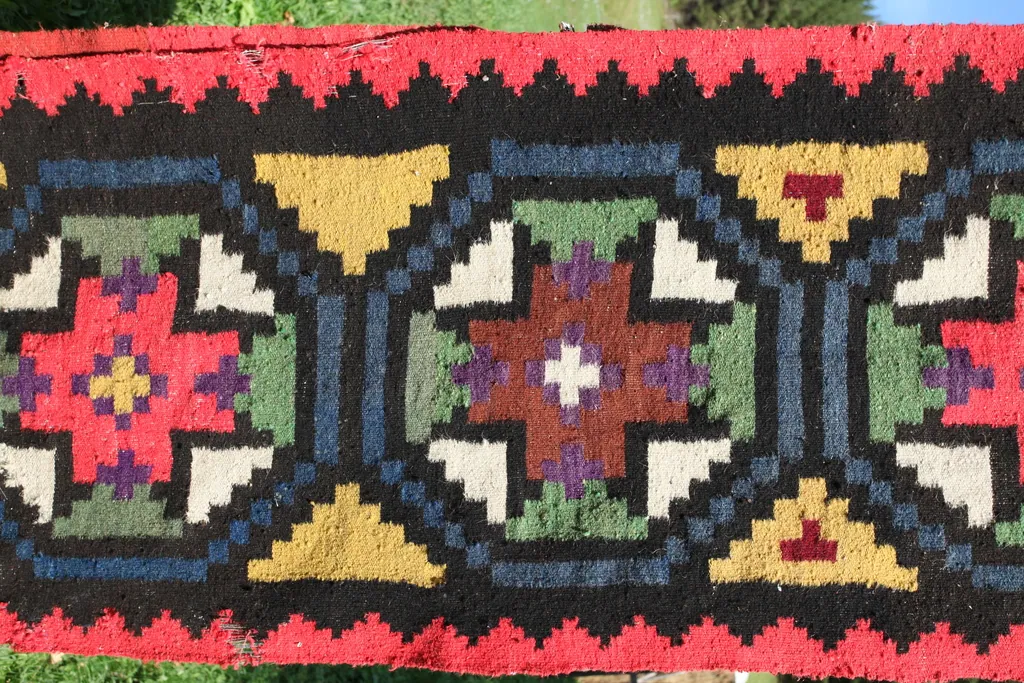
Weavers have made smaller carpets, producing rugs, tapestries and covers, but they continue to use looms or embroidery frames and the same traditional patterns and colours. Many specialise in bedspreads and rugs made using the raised with a knitting needle or multiple-heddle techniques. They create pieces of artistic merit and pass the craft on to girls who appreciate the beauty of handmade work.
Needlework and plaiting are widely practised as a way to relax, using commercially available open-weave cloth and cotton or synthetic threads, with traditional or newer techniques and designs. Makers produce doilies, tablecloths, curtains, needlepoint pieces worked from printed patterns, and tapestries. Some craftspeople plait whips from bundles of hemp fibre for use in New Year customs.
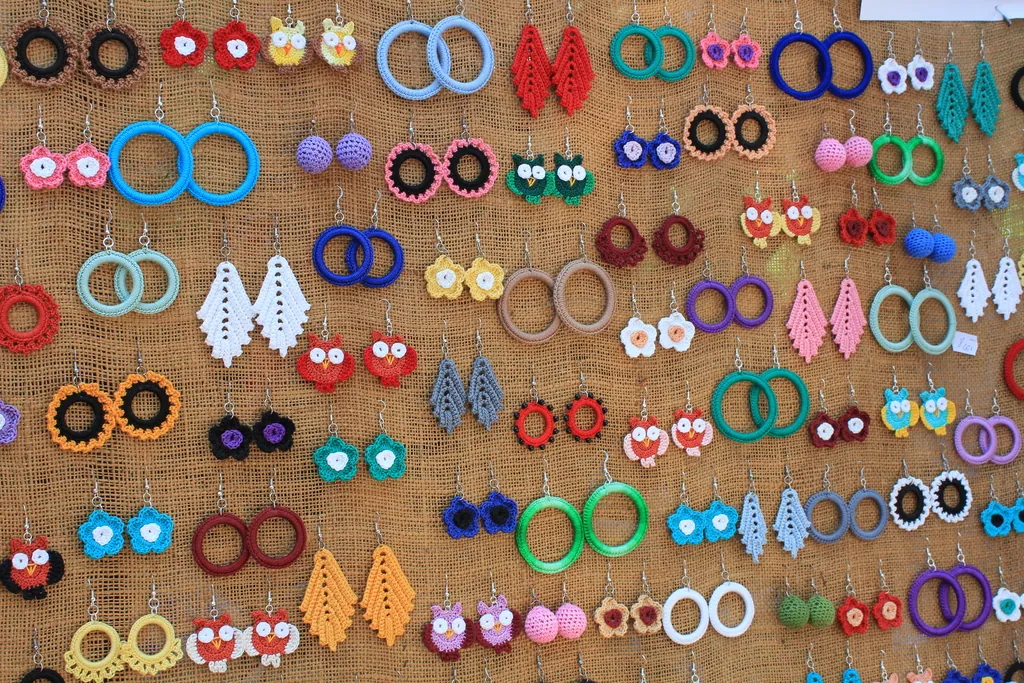
Women who crochet make a wide variety of ornaments from thread and beads that appeal to children, who are drawn to their beauty.
Sheepskin coat makers and furriers have also adapted to contemporary tastes, using new materials with old patterns. Renowned sheepskin coat makers from Pipirig make white broadcloth waistcoats embroidered with the same woollen flowers as the sheepskin coats that once adorned the festive traditional dress of people in the Neamț area. In the villages of the Bicaz Valley, a few sheepskin coat makers still embroider cloth waistcoats resembling those of the past.
Makers of characters from the stories of Ion Creangă use clay to shape the heads and other materials to achieve the desired appearance.
Other craftspeople experiment with pieces made from various materials (metal, textiles, clay, plastic, rubber, etc.) and take them to fairs to gauge customers’ preferences and tastes; the customers decide whether the products are viable.
The large number of folk artists in Neamț County and the quality of their products give us reason to believe that folk art will endure for a long time, retaining the authenticity and value rooted in ancestral tradition.
Buy from craftspeople
Maria şi Iulian Mihalache
Valea Arini
Visit the shop – Maria şi Iulian MihalacheAsociația Meșterilor Populari din Ținutul Neamțului
Târgu Neamț
Visit the shop – Asociația Meșterilor Populari din Ținutul NeamțuluiCiprian Istrate
Piatra-Neamț
Visit the shop – Ciprian IstrateDudanu Vasile
Grumăzești
Visit the shop – Dudanu VasileBoancă Vasile
Grumăzești
Visit the shop – Boancă VasileCatinca Buhnă
Vânători-Neamț
Visit the shop – Catinca Buhnă