Historical documents record the presence of Catholics in Moldavia as early as the 13th century, when Dominican monks converted the Cumans who had settled in these lands to Christianity. In the centuries that followed, many Catholics migrated to Moldavia from Transylvania, and the Roman Catholic Diocese of Iași was established in 1884.
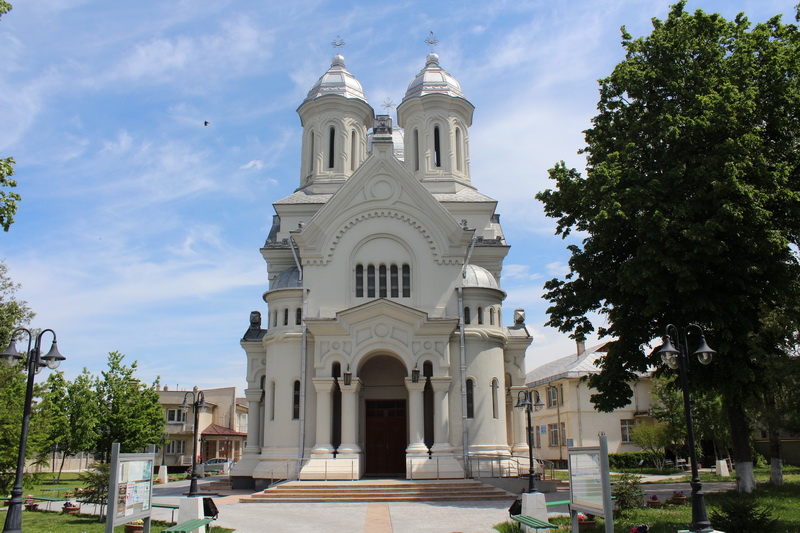
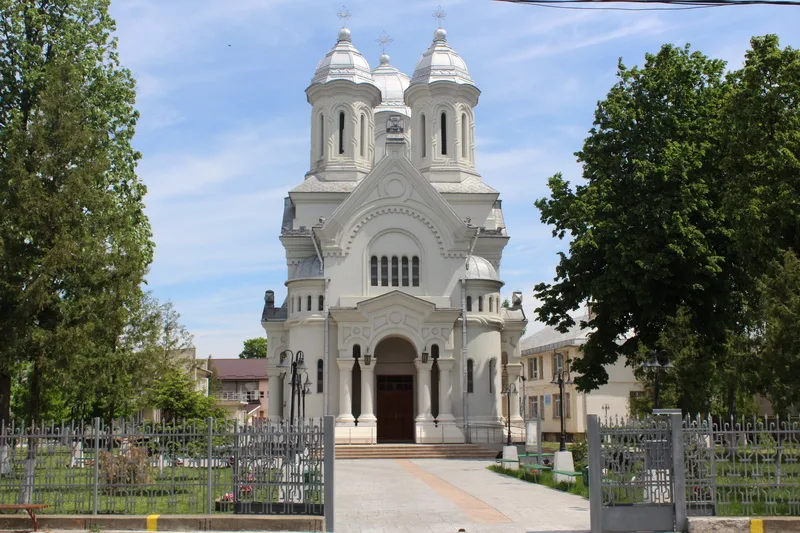
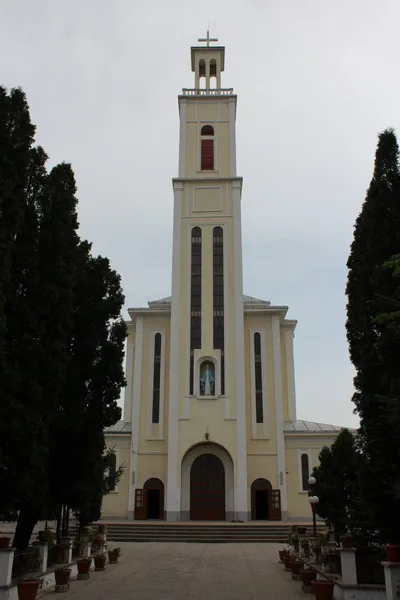
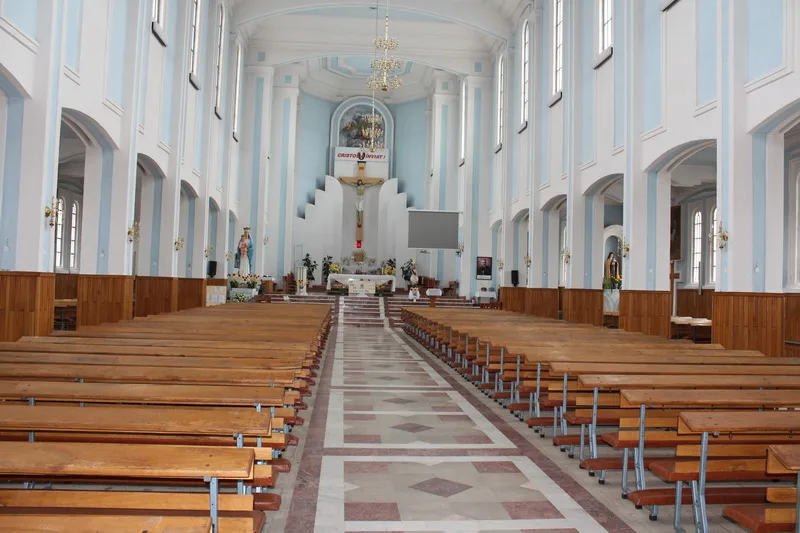
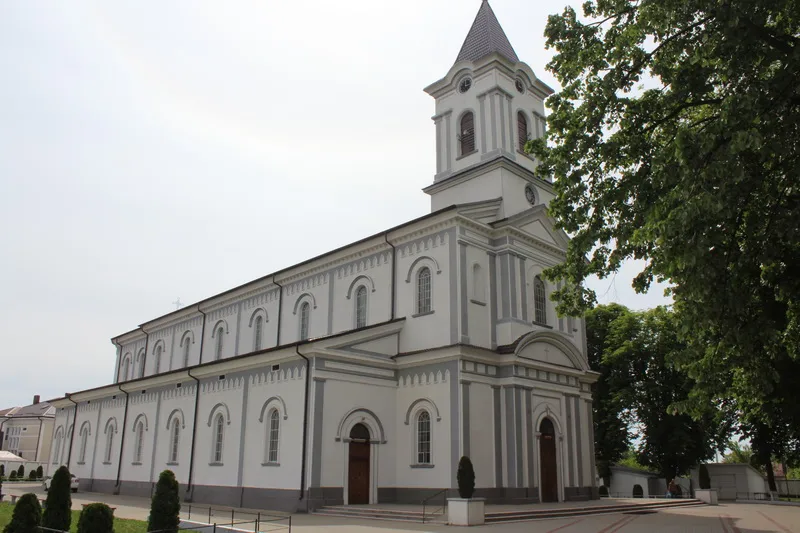
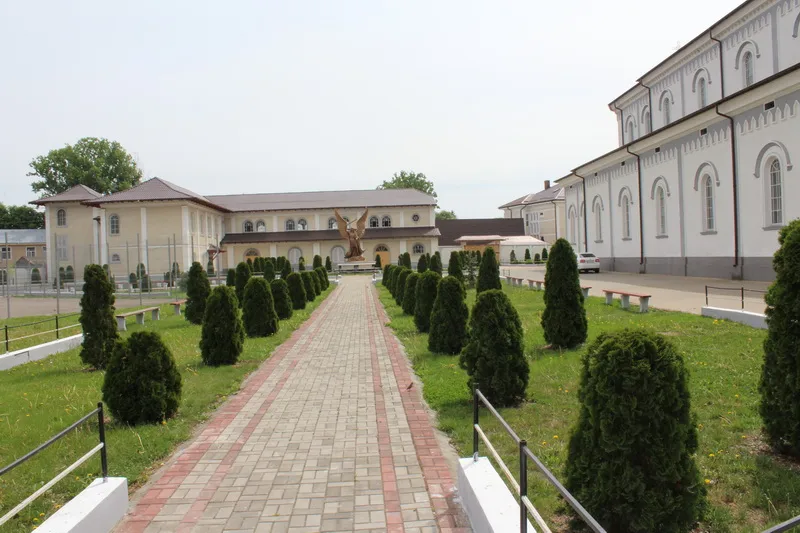
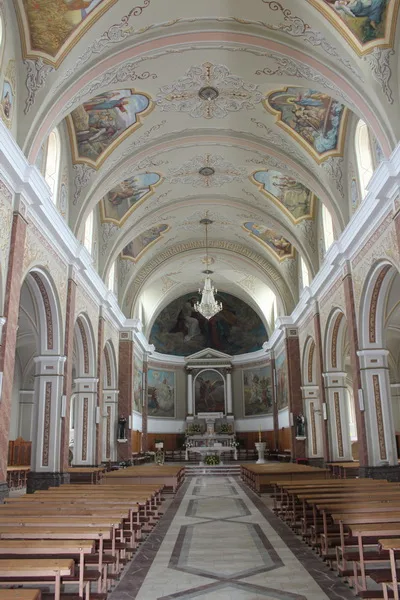
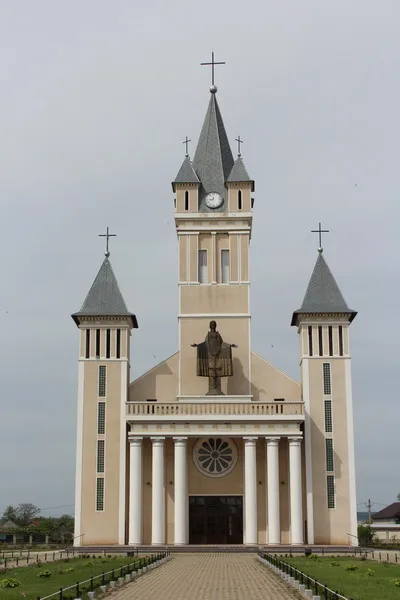
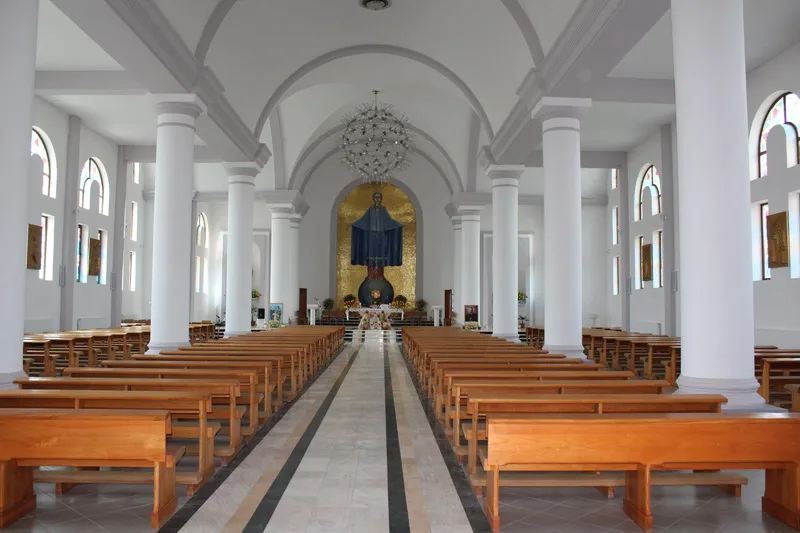
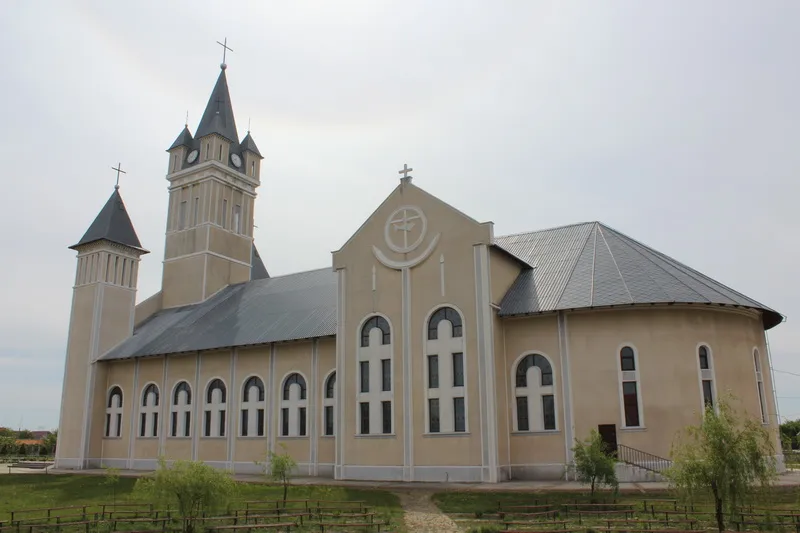
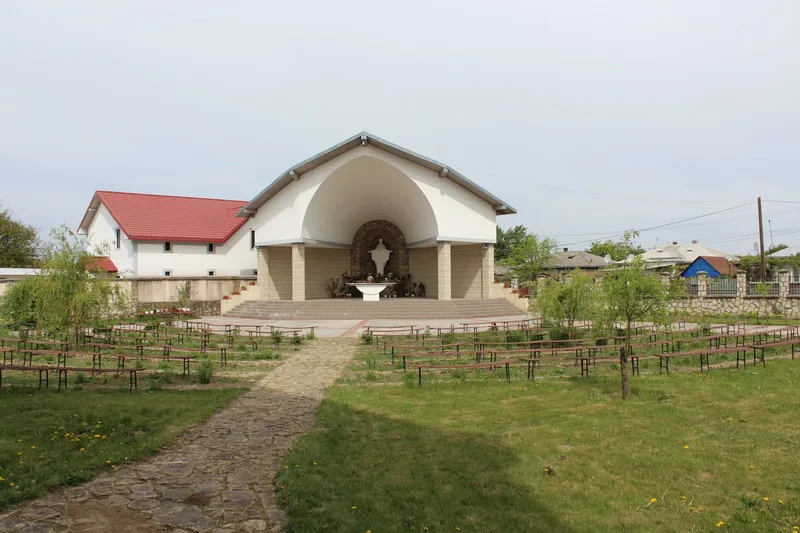
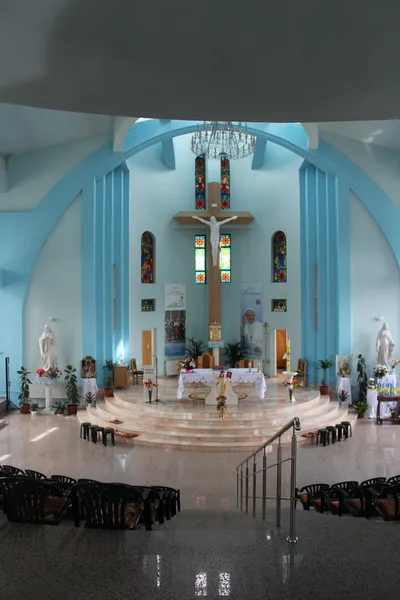
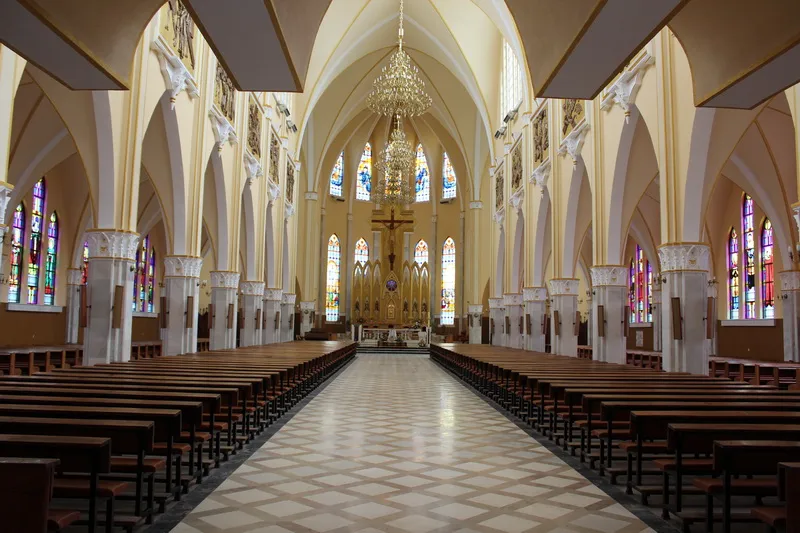
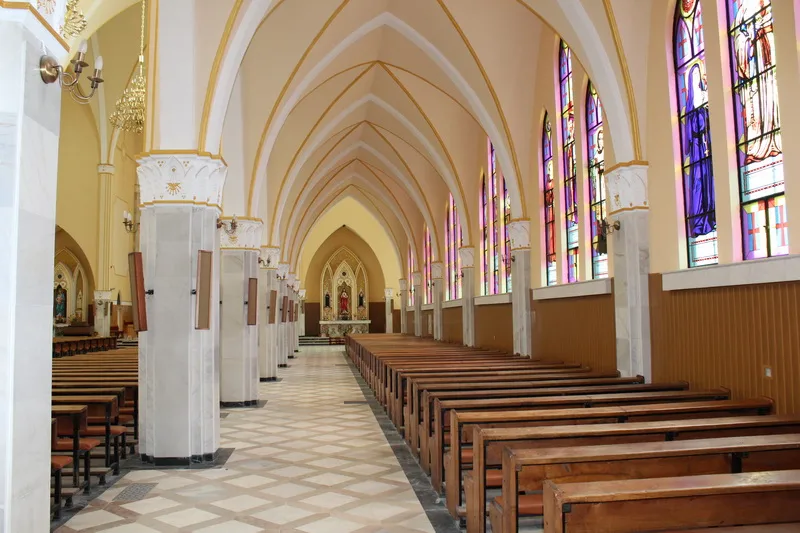
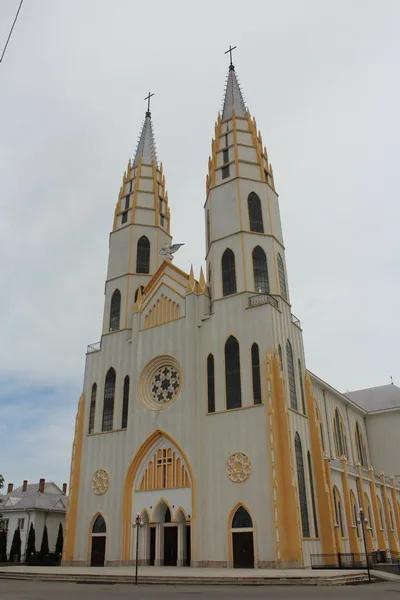
Neamț has a large Roman Catholic community, particularly in the eastern part of the county: the Roman Deanery has 18 parishes, and some of its churches are over a century old. Let us visit the oldest of them in turn. The Roman Catholic church in Săbăoani dates from 1894-1902, but the first church here is mentioned in a document from 1741. It was built of wood, but was destroyed in 1831 and only rebuilt in the mid-19th century. More than 9,000 Roman Catholics live and work in Săbăoani, a large community for which two more churches have been built in recent times. The first small Roman Catholic church in Adjudeni was built of wood in 1776, although the first Catholics had settled here around the 15th century. The next church, also wooden, was built in 1810, replacing its predecessor. The first masonry church in Adjudeni was built in 1875. This church was altered and enlarged in 1927-1928 and remained until 1972-1974, when a new church was built over the old one and completed in 1986, as there is also a large community here of more than 5,000 Roman Catholics.
The Catholic community in Tămășeni is documented from around the 16th century, but the first Roman Catholic church dates from 1646. The church did not survive the passage of time, so work on a new church began in 1862. It stood until 1977, after which it was completely rebuilt in its present form. The Roman Catholic community in the village of Buruienești is documented from the 18th century. The village is associated with a hoard of coins from the time of Petru Mușat I, discovered here in 1985. A brick church was built in 1864, but it burnt down and was not rebuilt until 1937. In Pildești, the Roman Catholic community grew from Transylvanian migrants who arrived here around the 18th century. The present church (Dormition of the Mother of God) was built between 1893 and 1900. Its present appearance is the result of later repairs, renovations and alterations. The Catholic community in Roman is documented from around the 15th century, and in 1991 the city of Roman became the main centre for training Franciscan monks. There is a university-level theological institute and a Roman Catholic theological secondary school (Saint Francisc de Assisi) here, while the more than 5,000 faithful worship in four churches built in recent times.
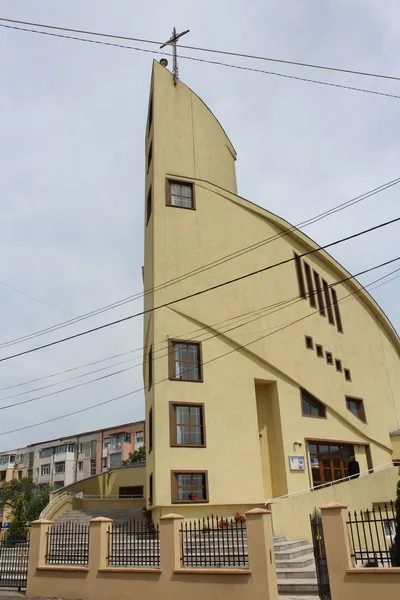
Catholic communities are also found beyond the Roman area: for the more than 4,000 Roman Catholics in Piatra Neamț, Saint Joseph the Worker Church is undergoing extensive reconstruction – it is the first parish and deanery centre, situated in the town centre, with a second opened in one of the residential neighbourhoods.
Photo: Marius Chiriac
More from the collection
Open the collection