Heritage
Secu Monastery (II)
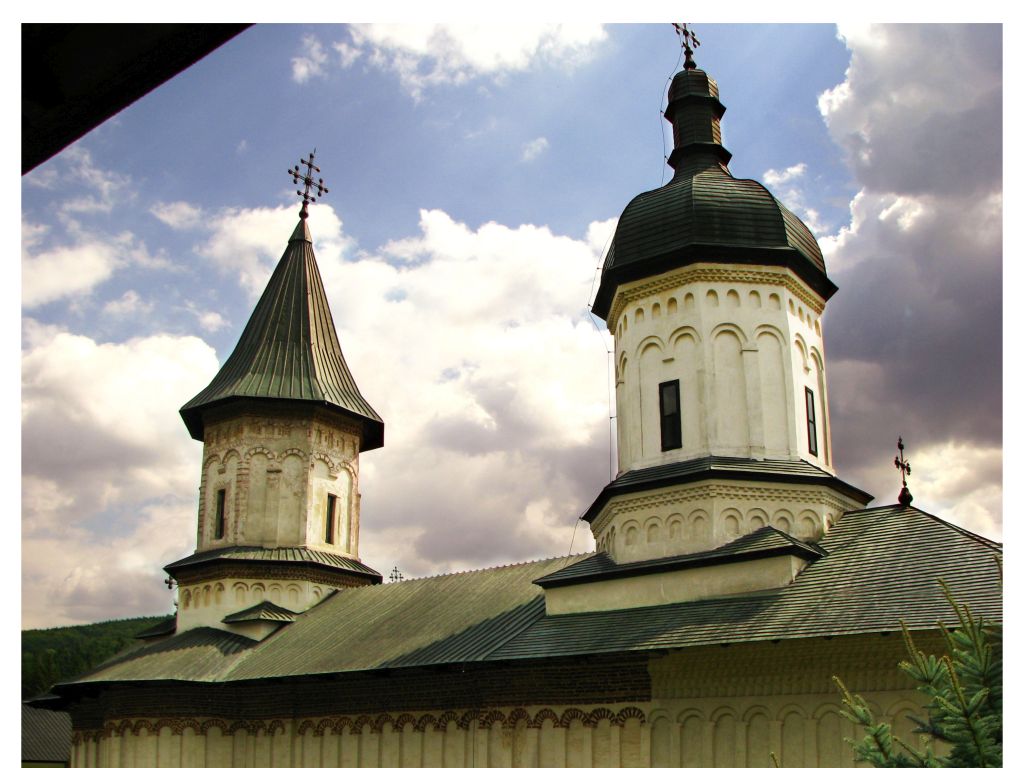
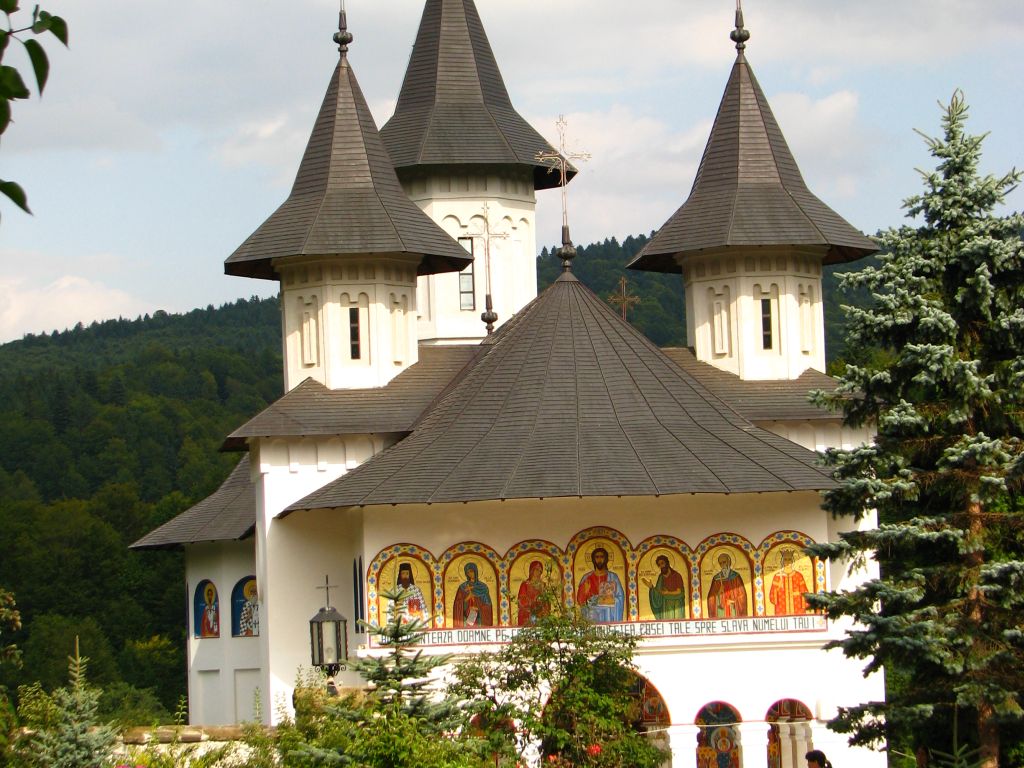
Around 1500, a group of hermits from Neamț Monastery settled in the Secu Stream Valley and, under the leadership of schema-hieromonk Zosima, founded Zosima’s Hermitage in 1530.
Around 1500, a group of hermits from Neamț Monastery settled in the Secu Stream Valley and, under the leadership of schema-hieromonk Zosima, founded Zosima’s Hermitage in 1530.
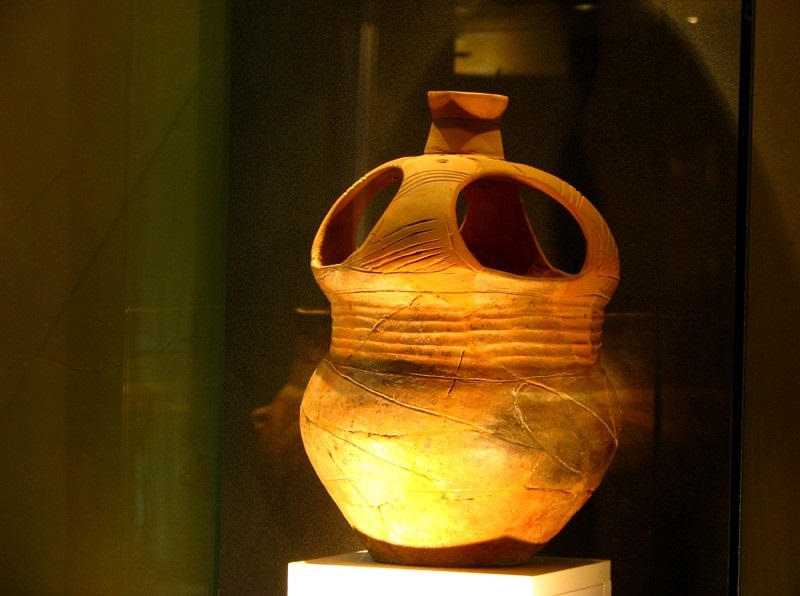
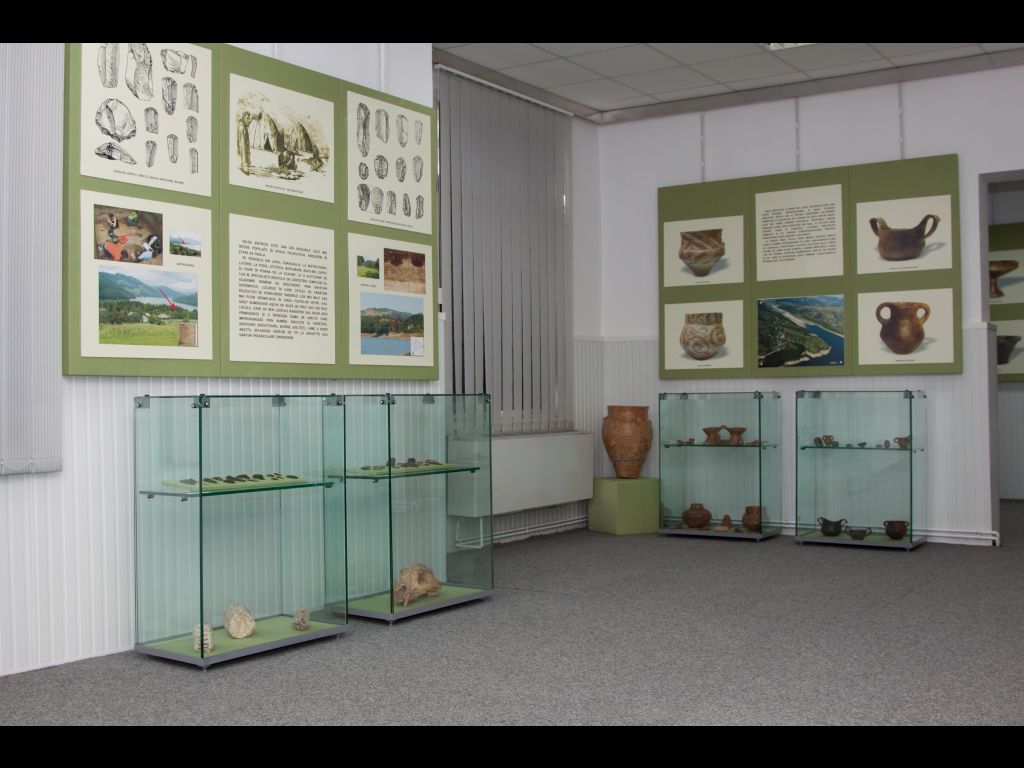
The Cucuteni Chalcolithic Art Museum, unique at a national level for its thematic focus, is simultaneously a museum of history and art, currently housing the most important Chalcolithic collection in south-eastern Europe.
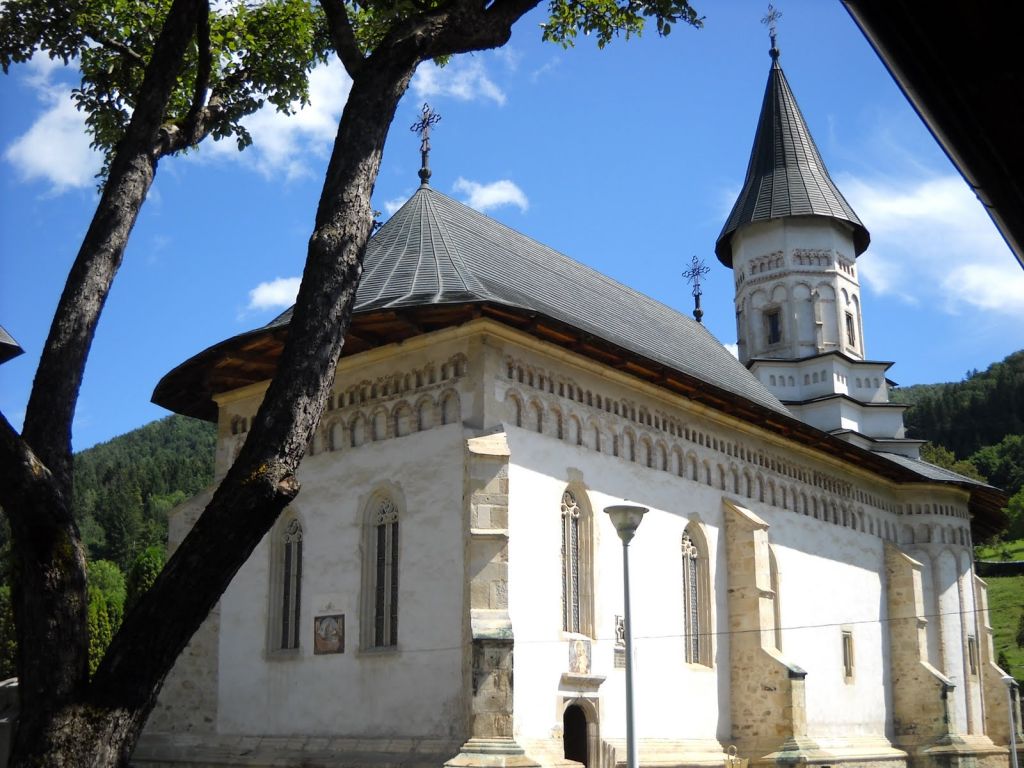
Its successive founders are the four great Mușat princes: Alexandru cel Bun, Ștefan cel Mare, Petru Rareș, and Alexandru Lăpușneanu.
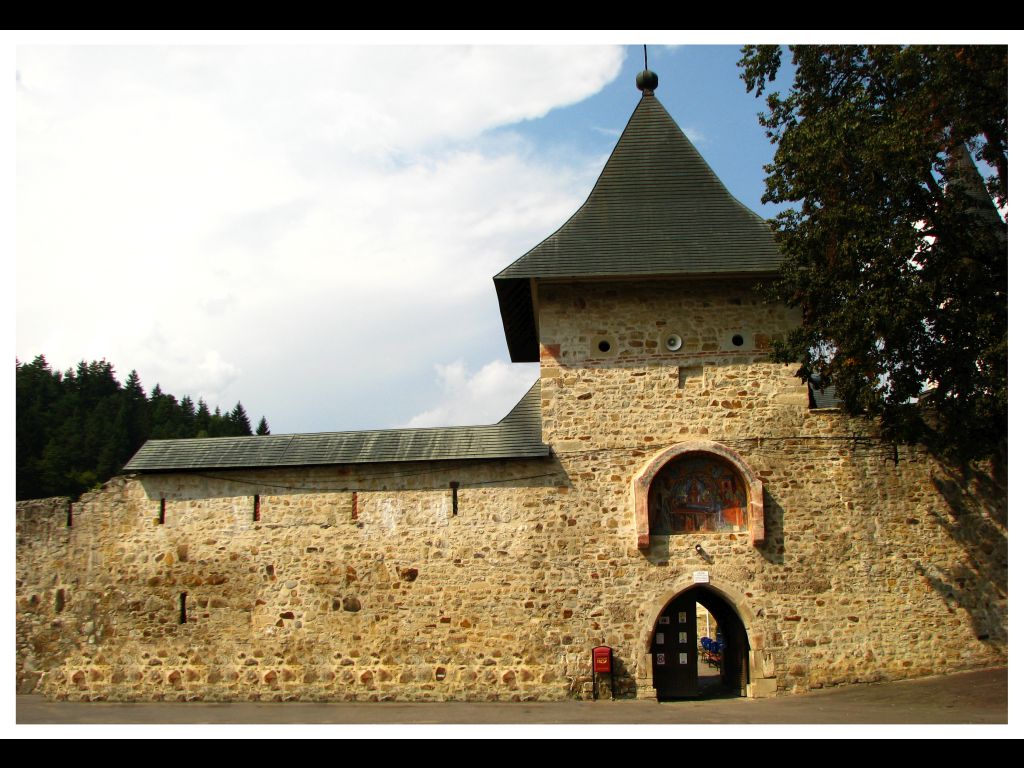
Bistrița Monastery is one of Romania’s oldest complexes of religious buildings, historic monuments and medieval art, and the most important foundation of the Mușatin dynasty in Moldavia.
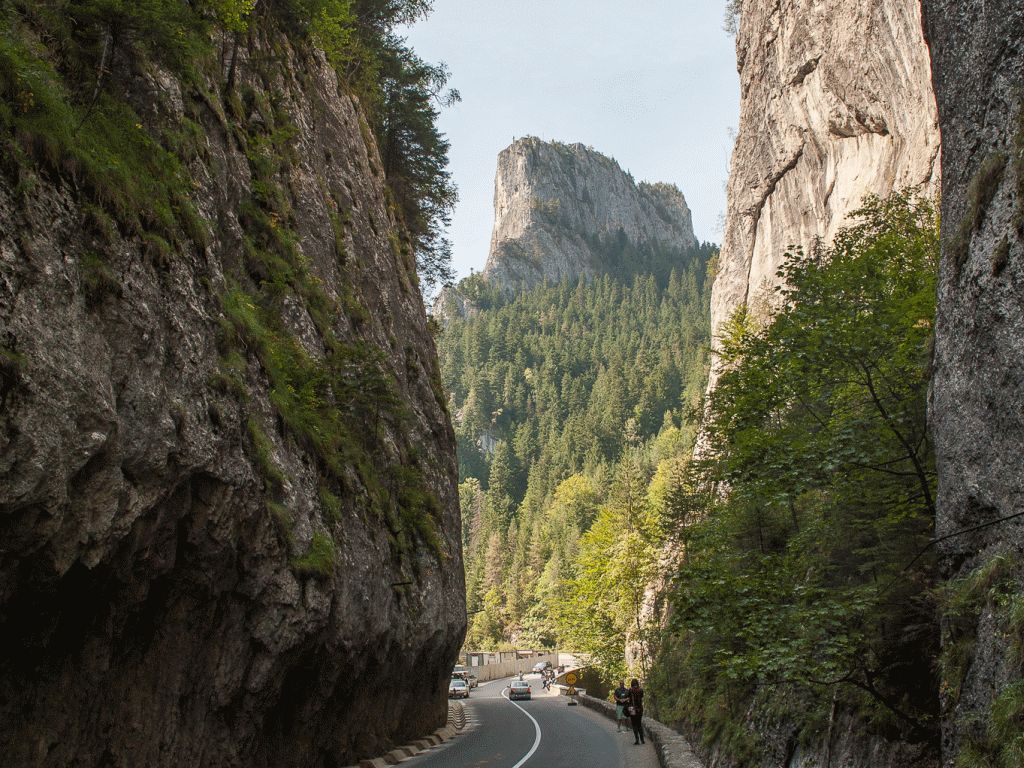
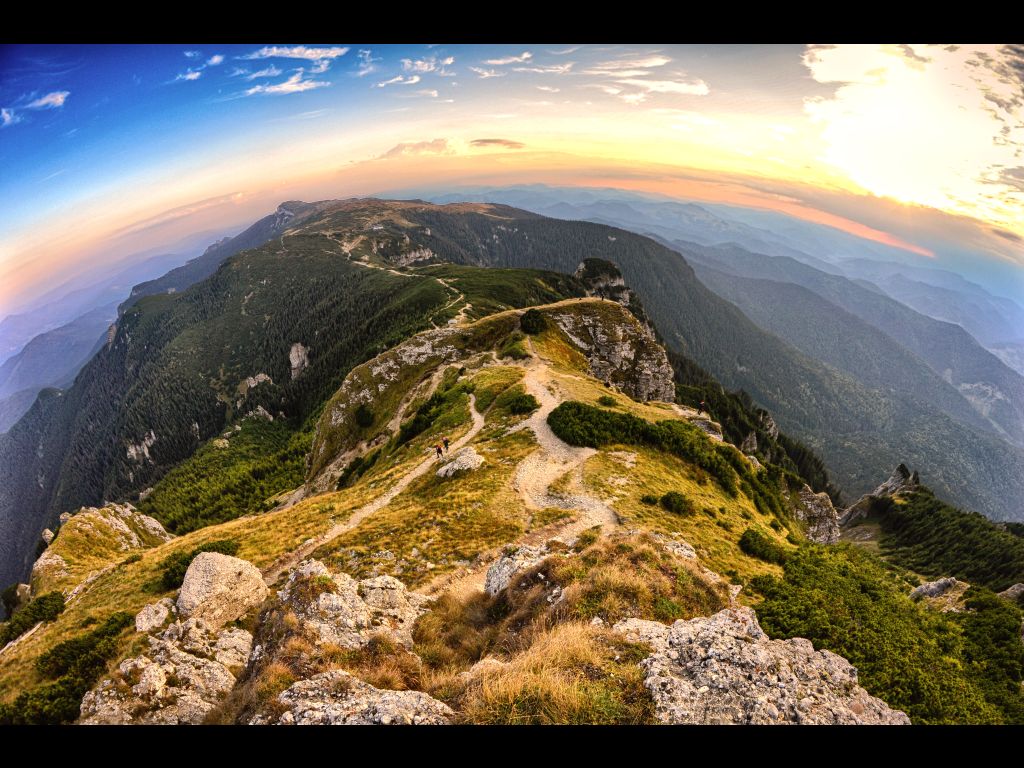
Created in 2000, covering some 6,575 hectares in two counties, i.e., Neamț and Harghita, the landscape of this Park is extremely varied.
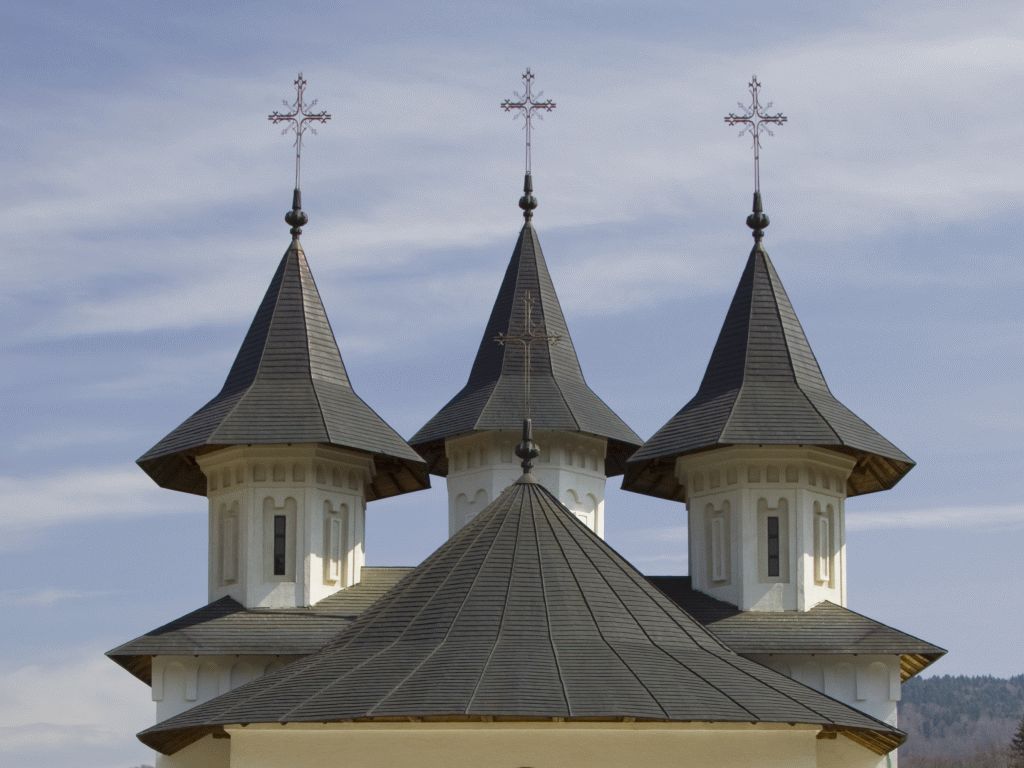
Continuing our itinerary, only 3 km away, we come across one of the most blessed hermitages of the area, where the hermits secluded here from the Neamț and Secu monasteries spent their life in humbleness and prayer, seeking peace and solitude.
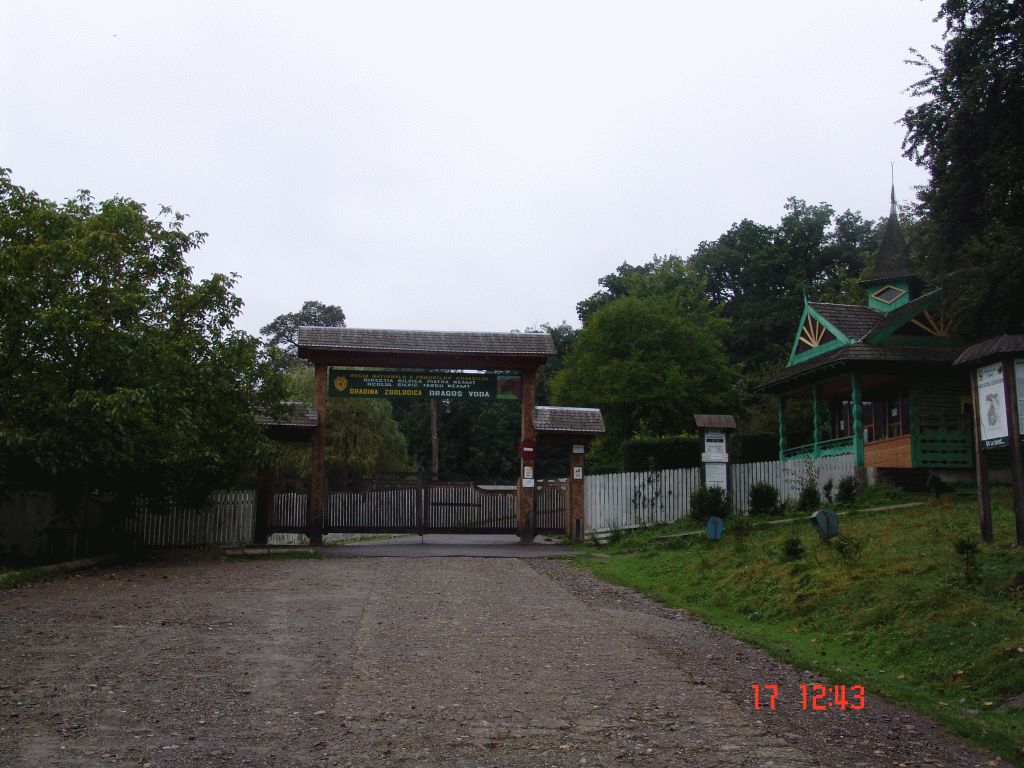
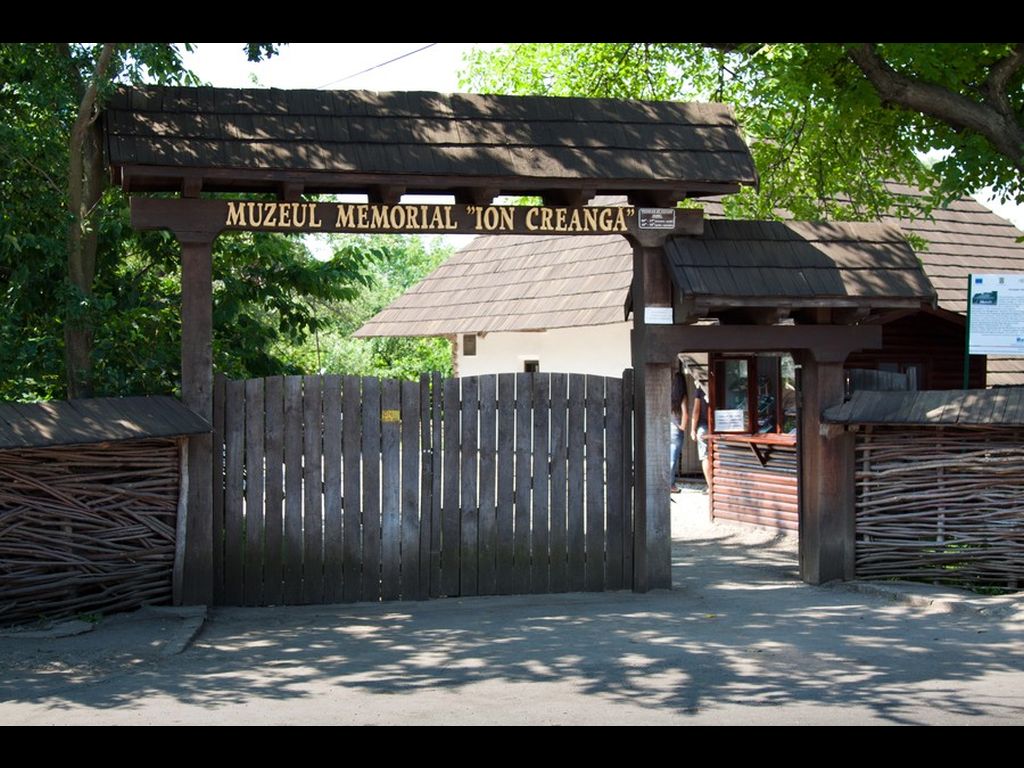
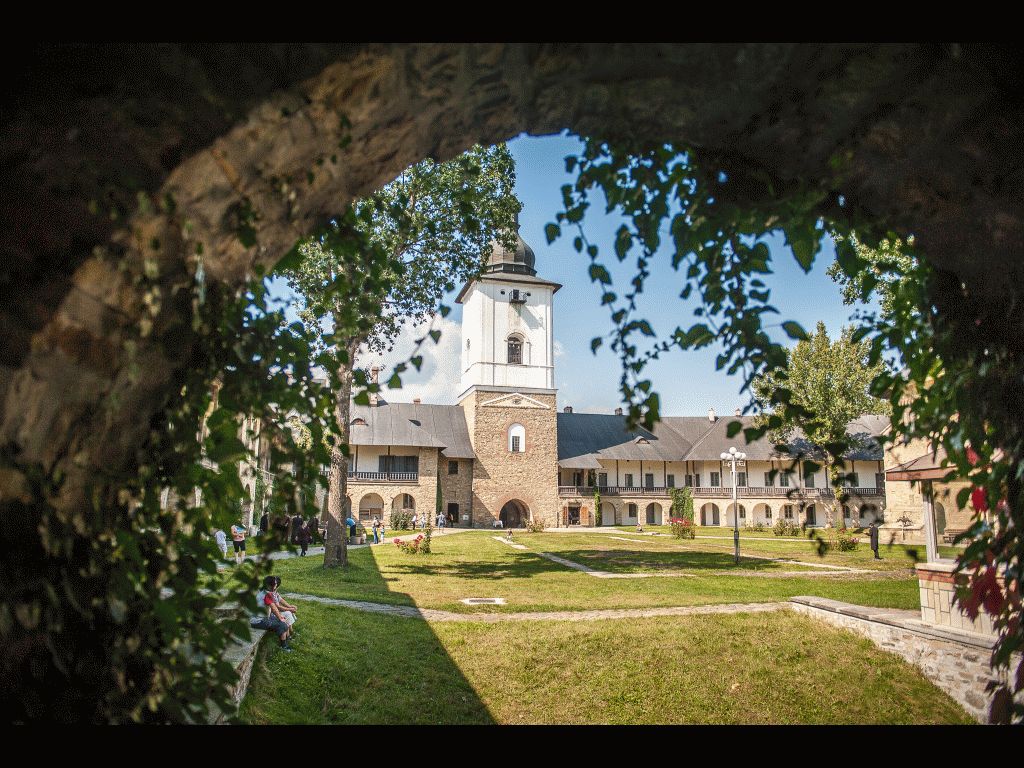
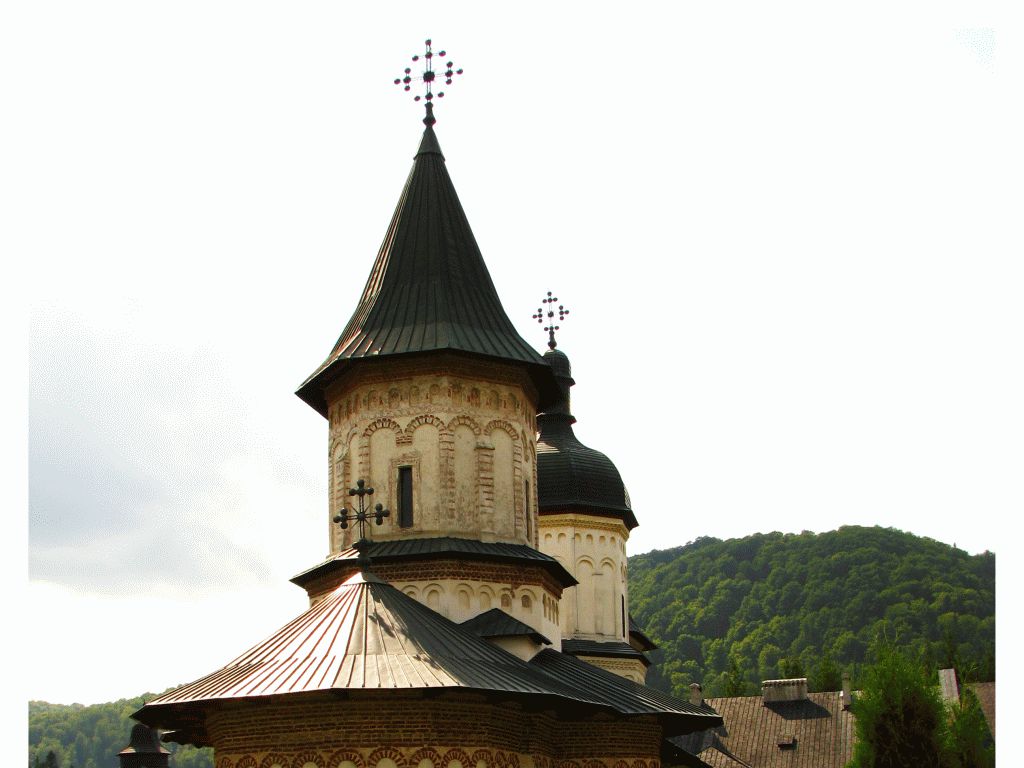
The beginnings of the old monastic settlement in the commune of Vânători-Neamț are connected to the hermitage Zosima the hermit settled here in 1530.
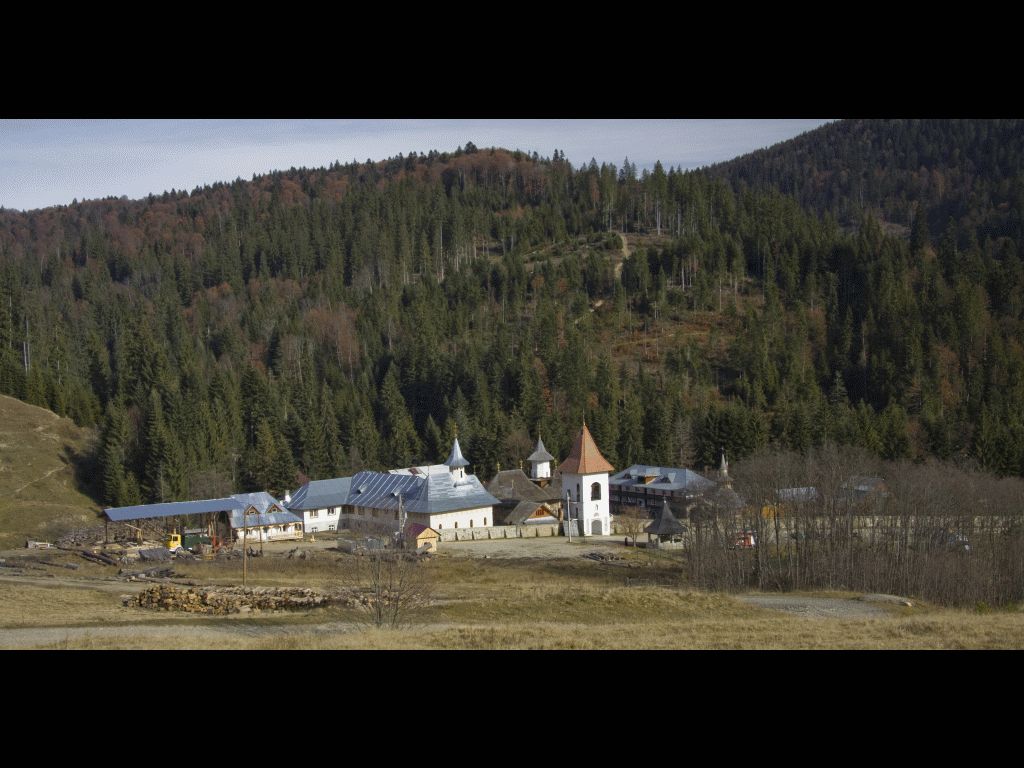
It is located in a clearing, 6 km away from DN 15B that connects the Poiana Largului crossroads coming from Târgu-Neamț.
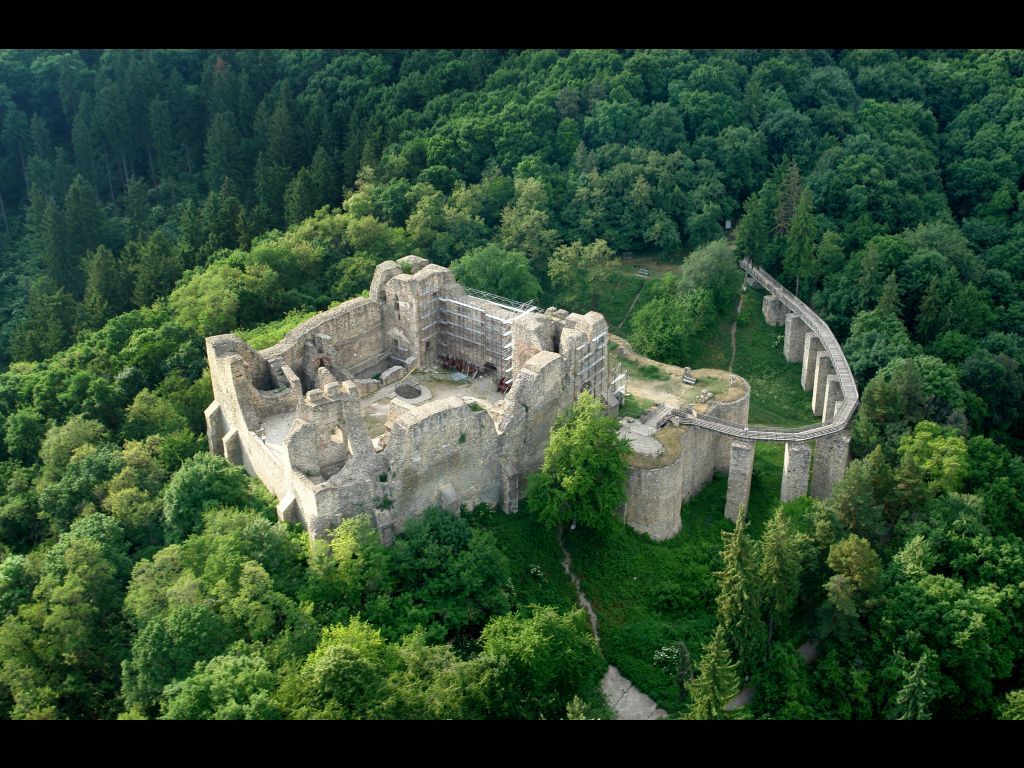
A watchtower over River Neamț valley, built under the rule of Petru I Mușat, the voivode whose main interest was to resist the Ottoman invasions.
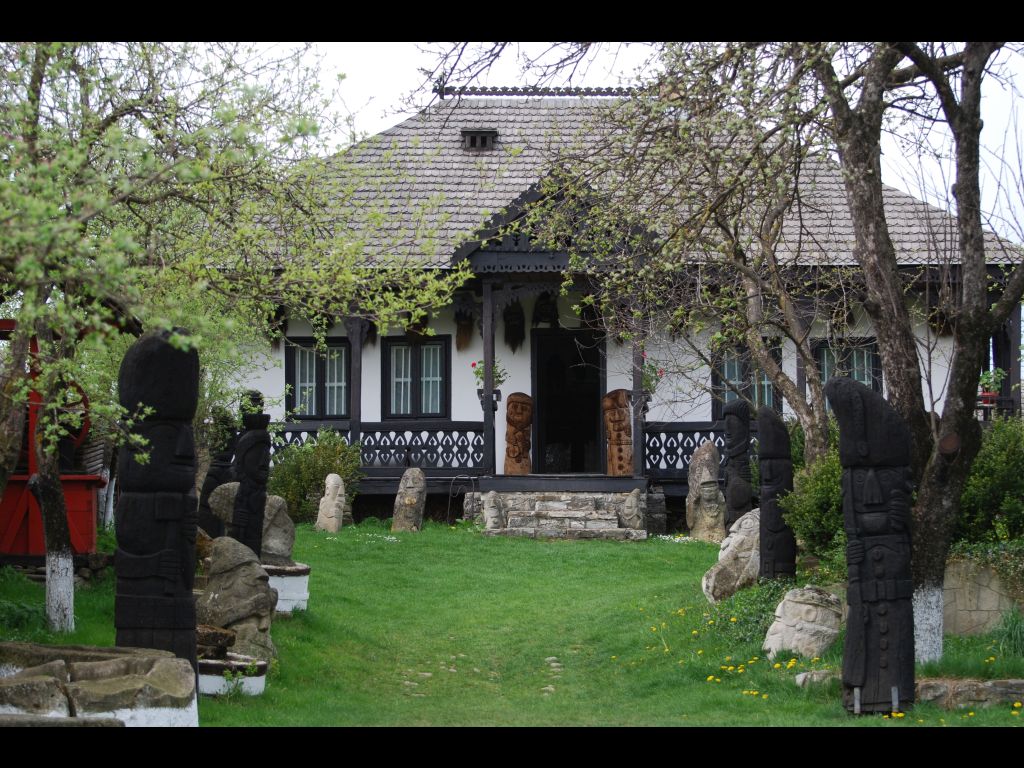
There are people who bequeath to their descendants the fruits of a lifetime’s work – like a rich treasure.