Culture
15 Reasons to Visit Neamț County
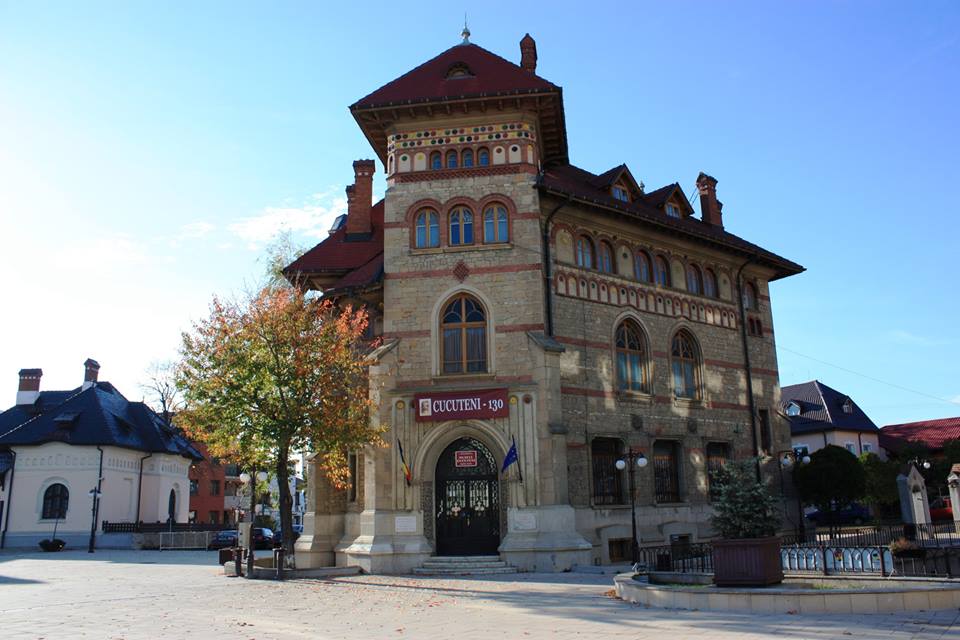
The Cucuteni Eneolithic Art Museum, opened in a beautiful building within the Princely Court in Piatra Neamț, built around 1930 by the contractor Carol Zani to a design by the capital’s former chief…
The Cucuteni Eneolithic Art Museum, opened in a beautiful building within the Princely Court in Piatra Neamț, built around 1930 by the contractor Carol Zani to a design by the capital’s former chief…
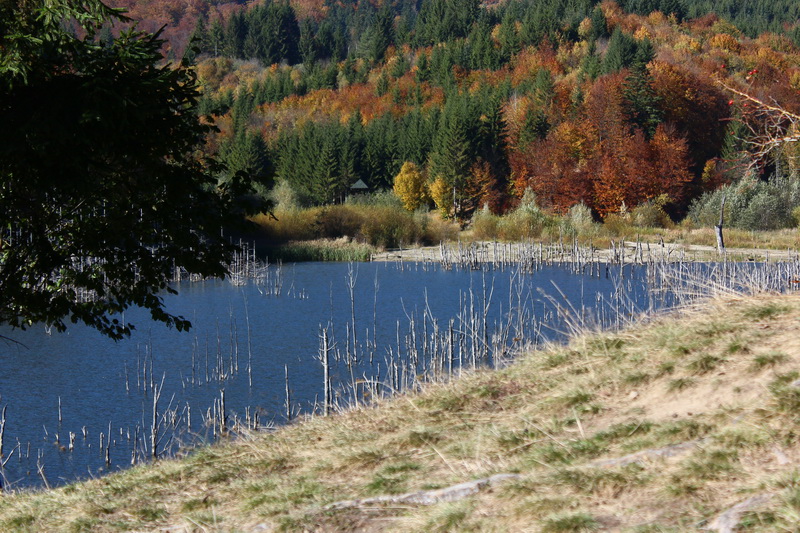
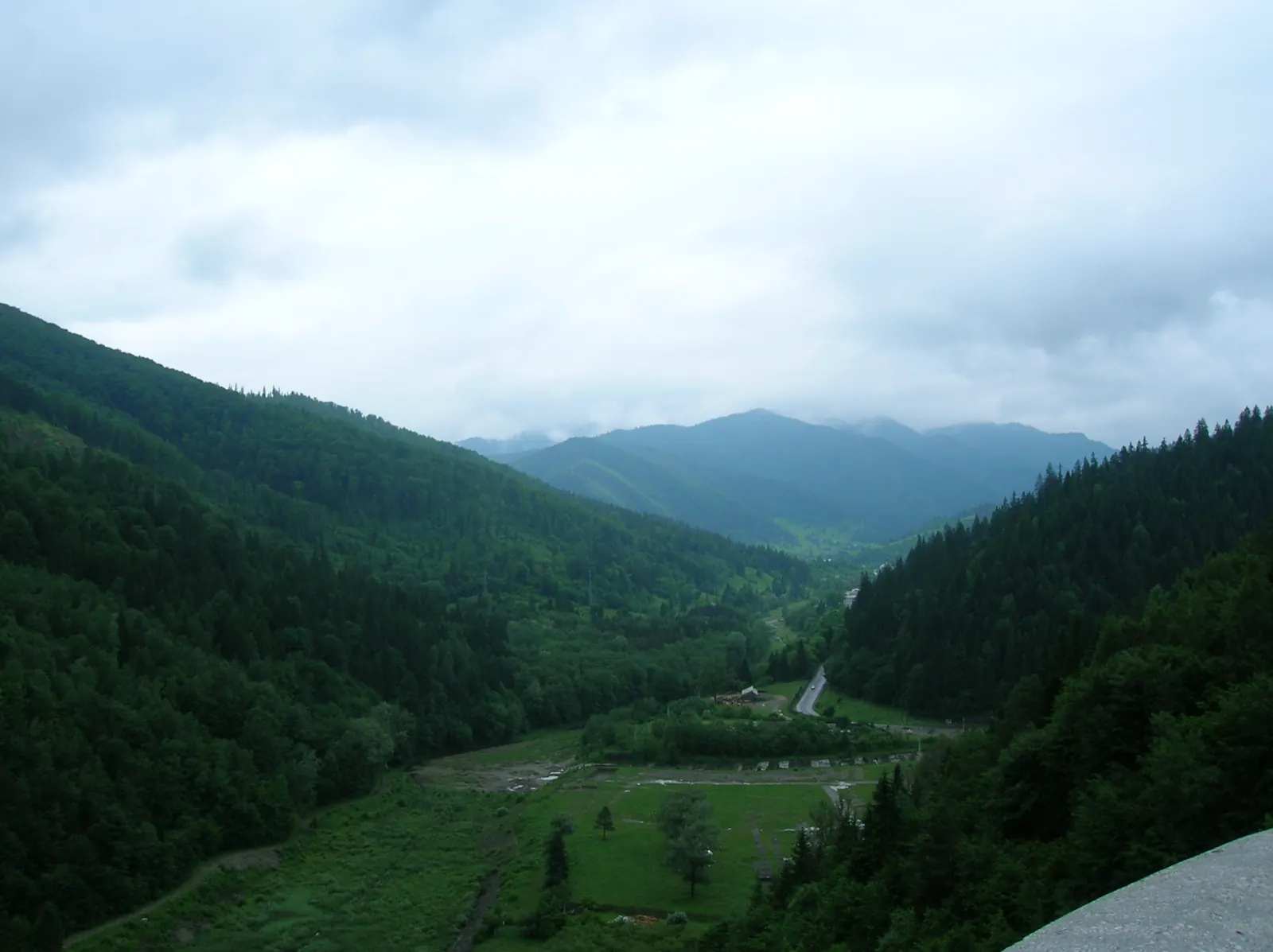
Rolling hills, deciduous forests, pastures with flocks of sheep and the waters of the Cuejdel dammed by a hillside that slid across its course: a picturesque landscape of a mountain lake formed not long ago.
The name of Neamț Citadel is forever inscribed in the history of Neamț County. For over six centuries, the fortress has stood guard over the Ozana river valley, heroically defending the land and people of Moldavia in those bygone days.
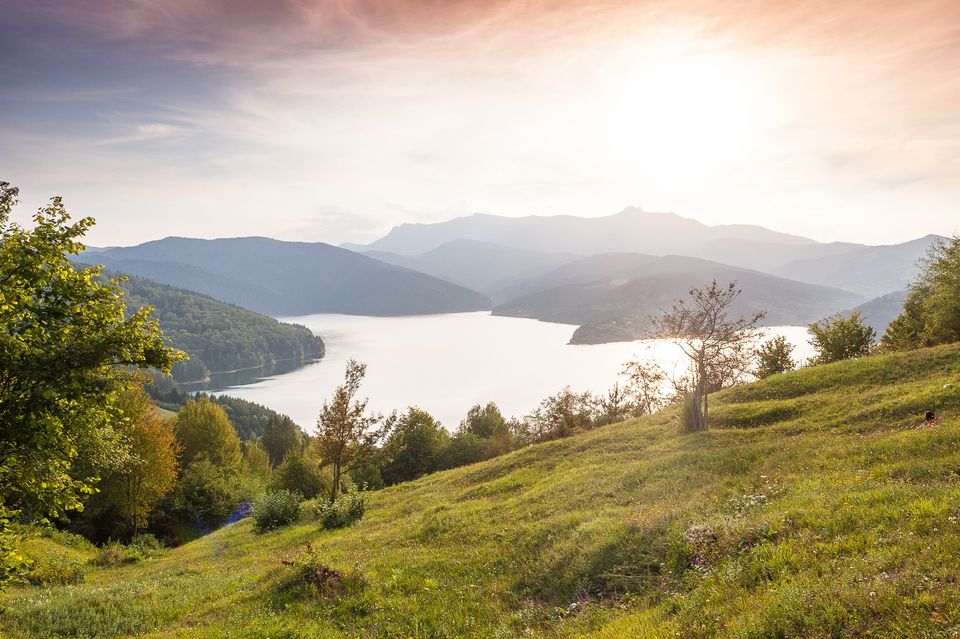
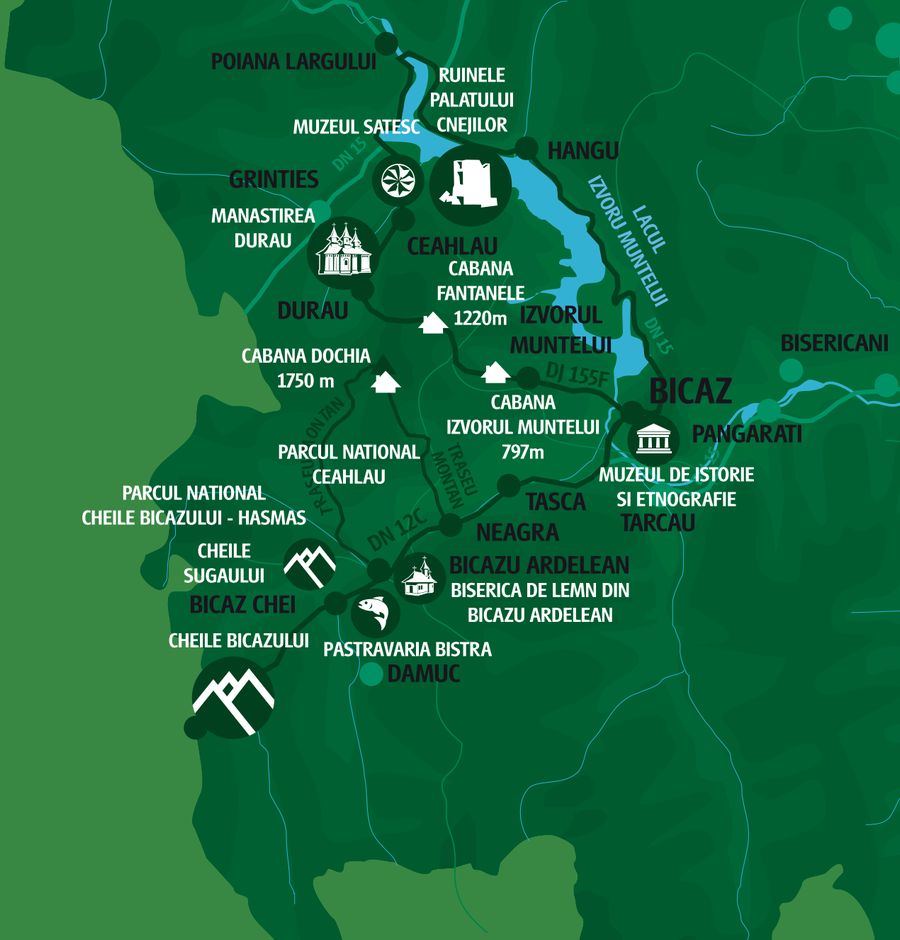
Along the course of the river Bistrița, from Poiana Largului to just short of Bicaz, lies Romania’s largest artificial lake created on its inland rivers: “Izvorul Muntelui” Lake.
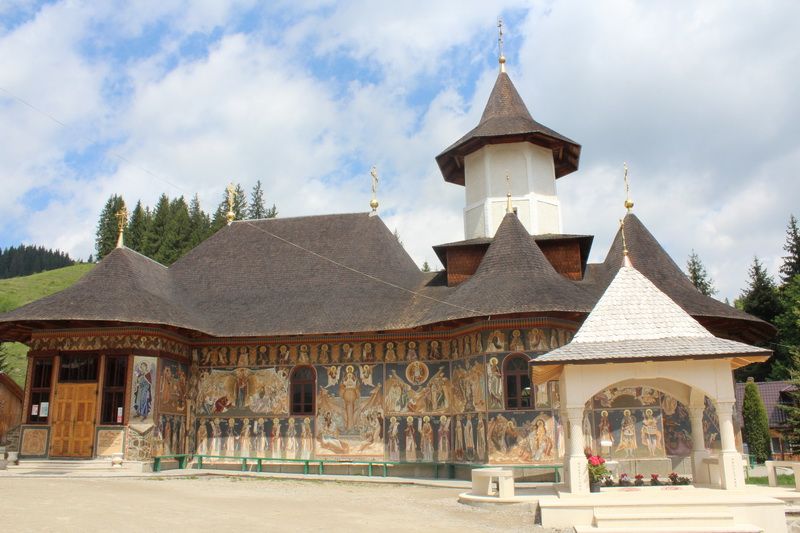
In the place where faith meets kindness and holiness joins generosity, God dwells among people. Here time passes more slowly but cleanses your soul of daily burdens, and you can truly hear the ancient call to highly prized virtues.
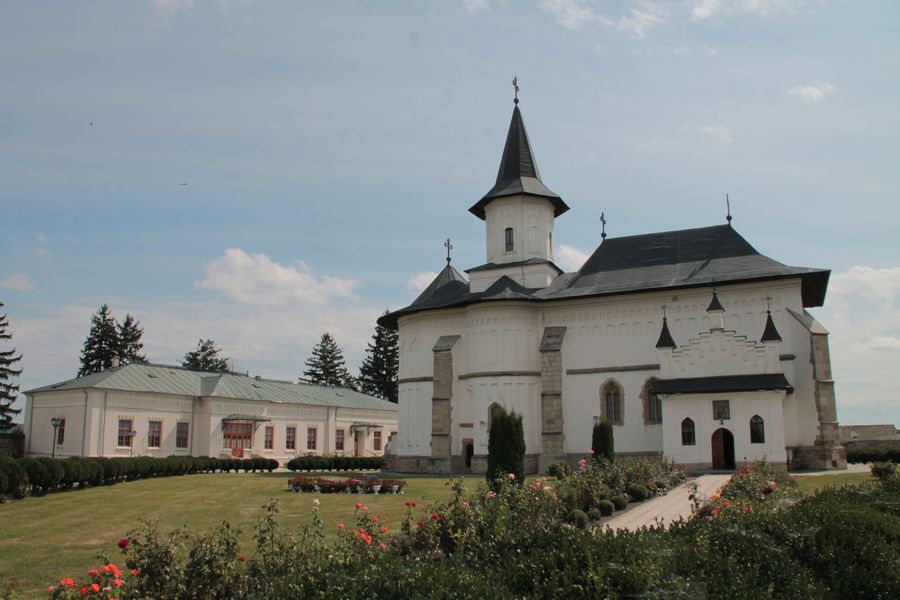
Saint Parascheva, the patron saint of Moldavia, is deeply revered in Orthodox places of worship throughout our county.
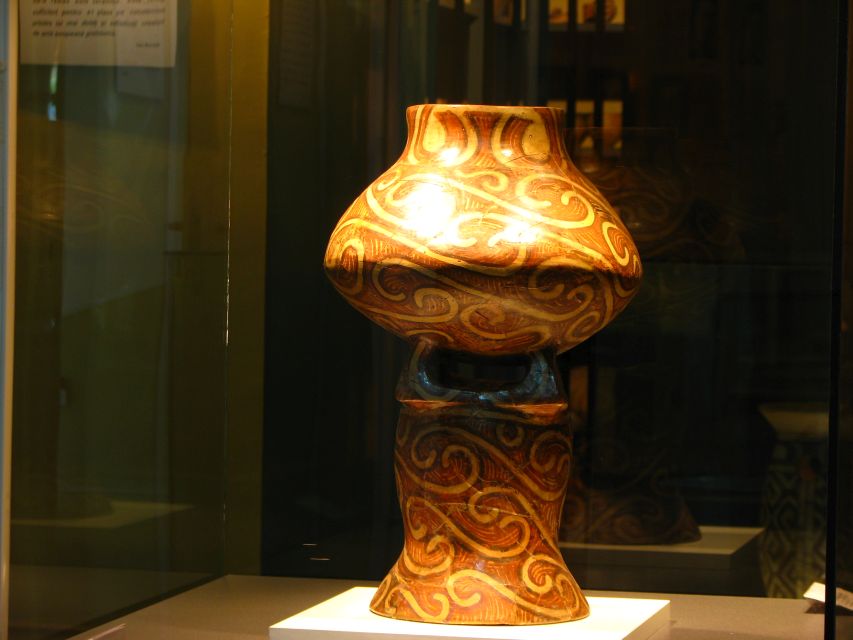
The Eneolithic Art Museum – Cucuteni is a unique national museum by the approached themes, history and art.
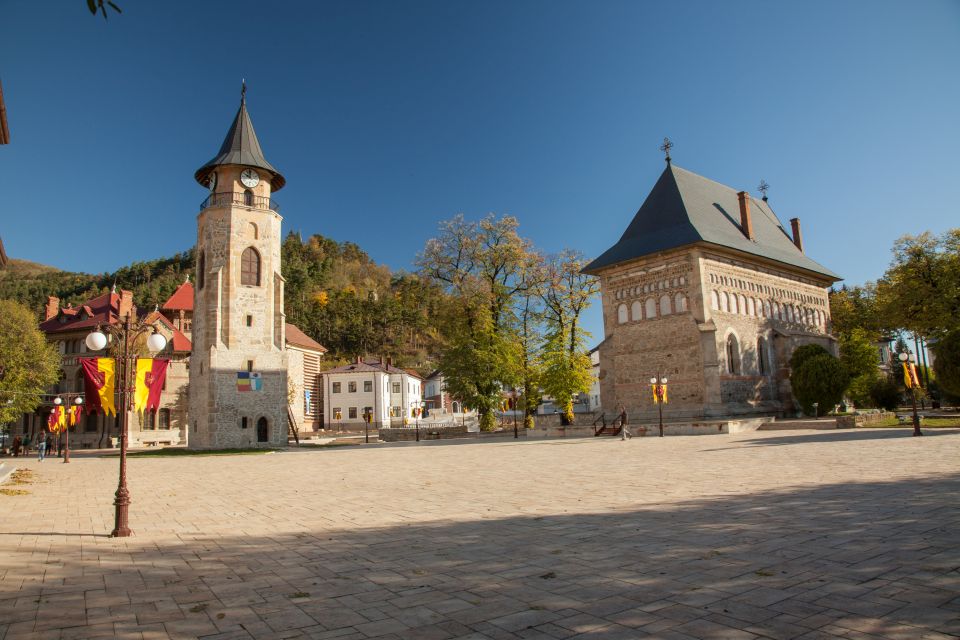
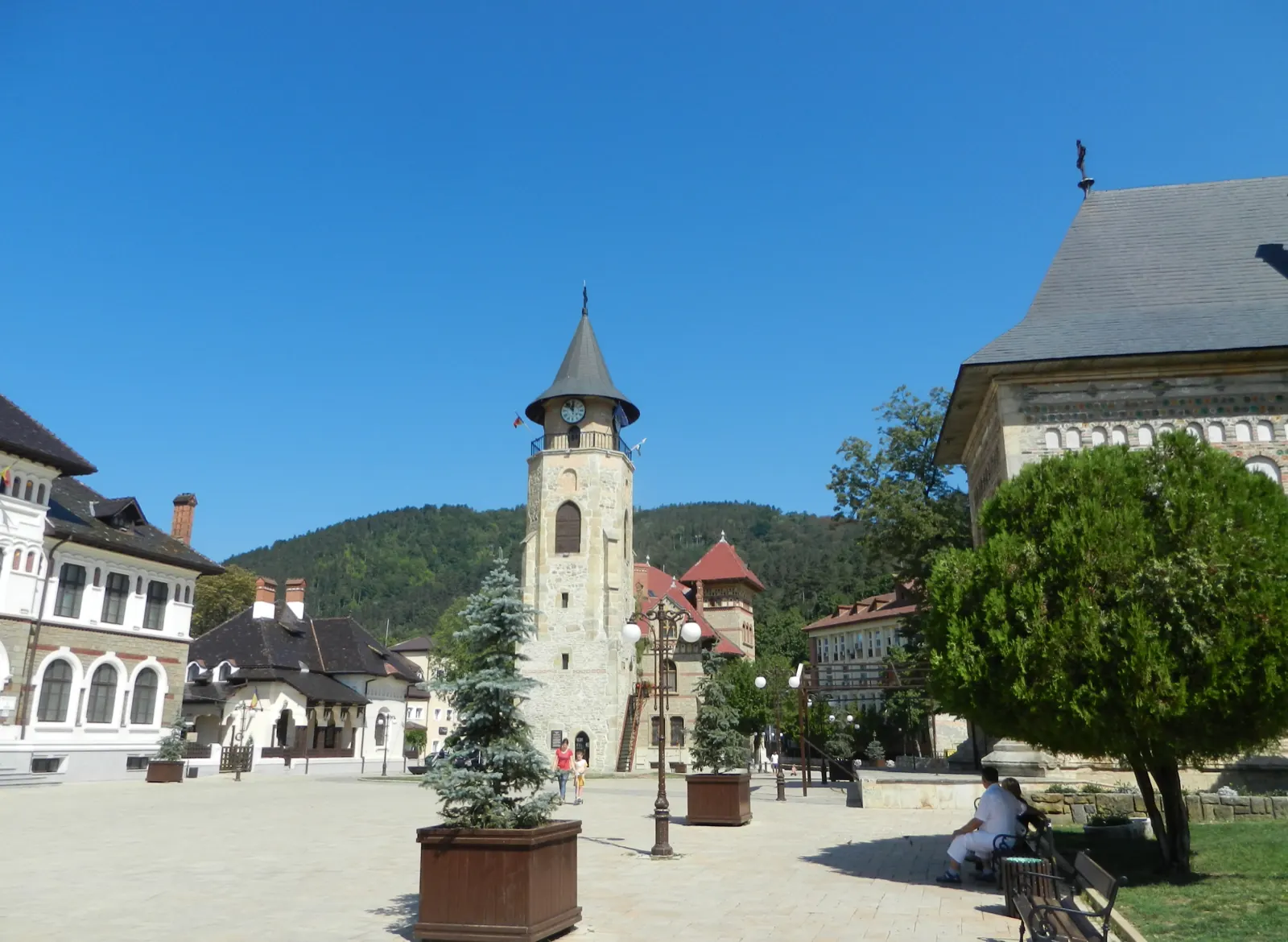
Inherited from Prince Ștefan cel Mare, built between 1468 and 1475, it represents a genuine effigy of nobility.
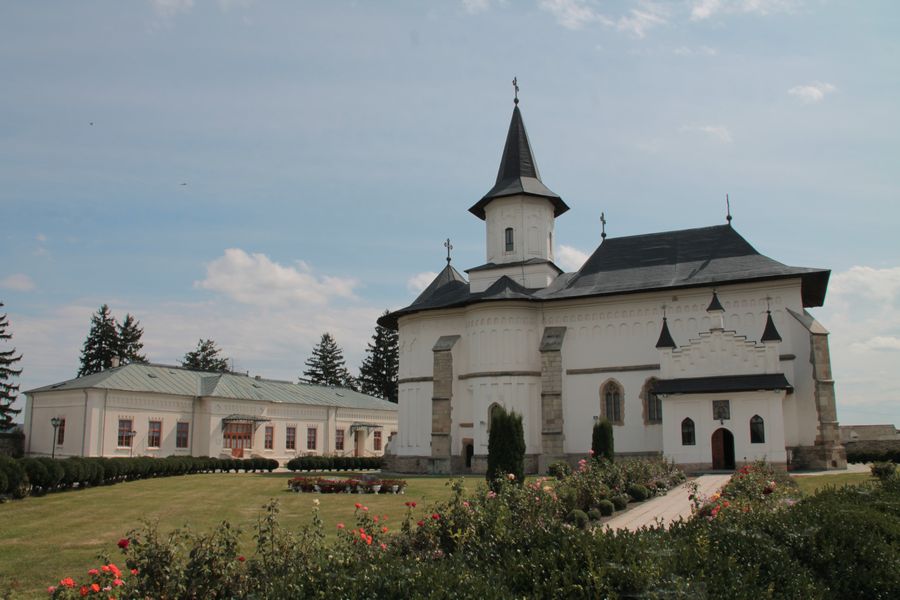
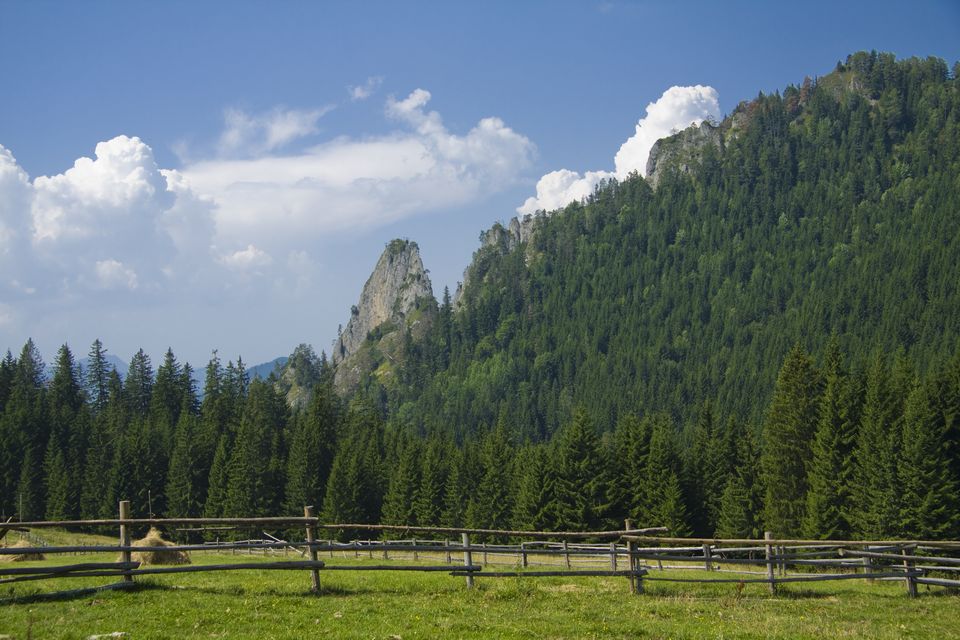
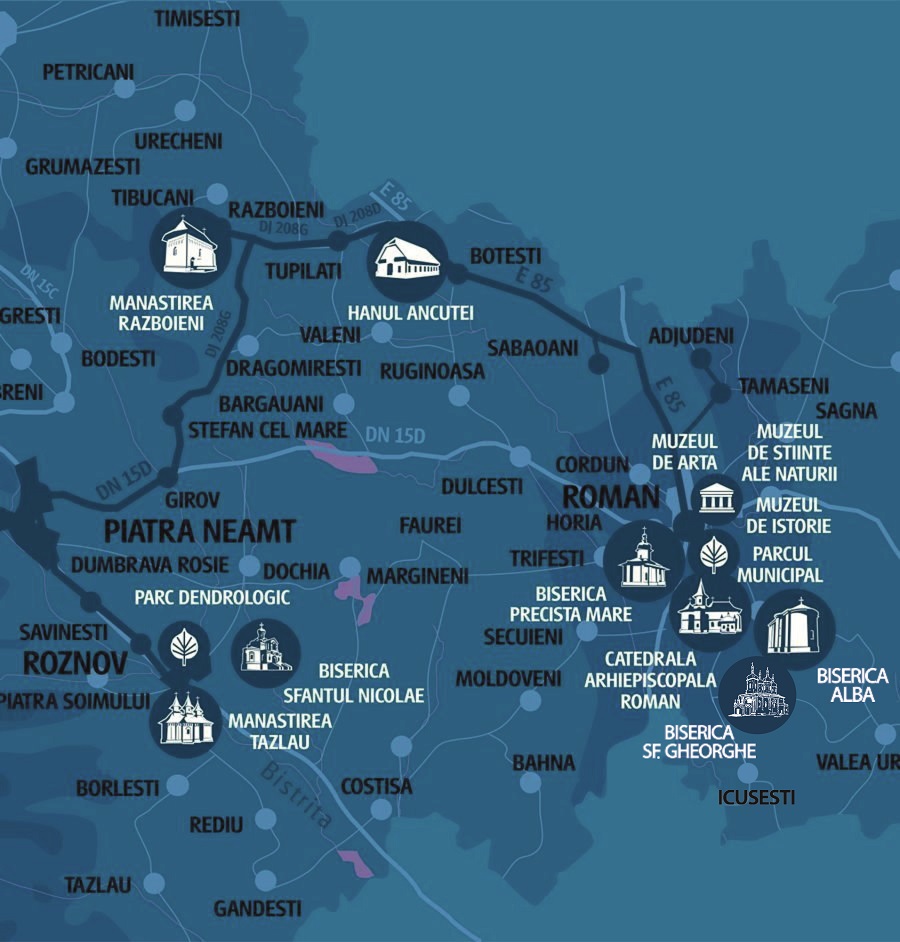
Coming from Bacau, along the Bistrița River, when you reach Roznov, we advise you to turn left towards the century-old forests in the Tazlău Valley.
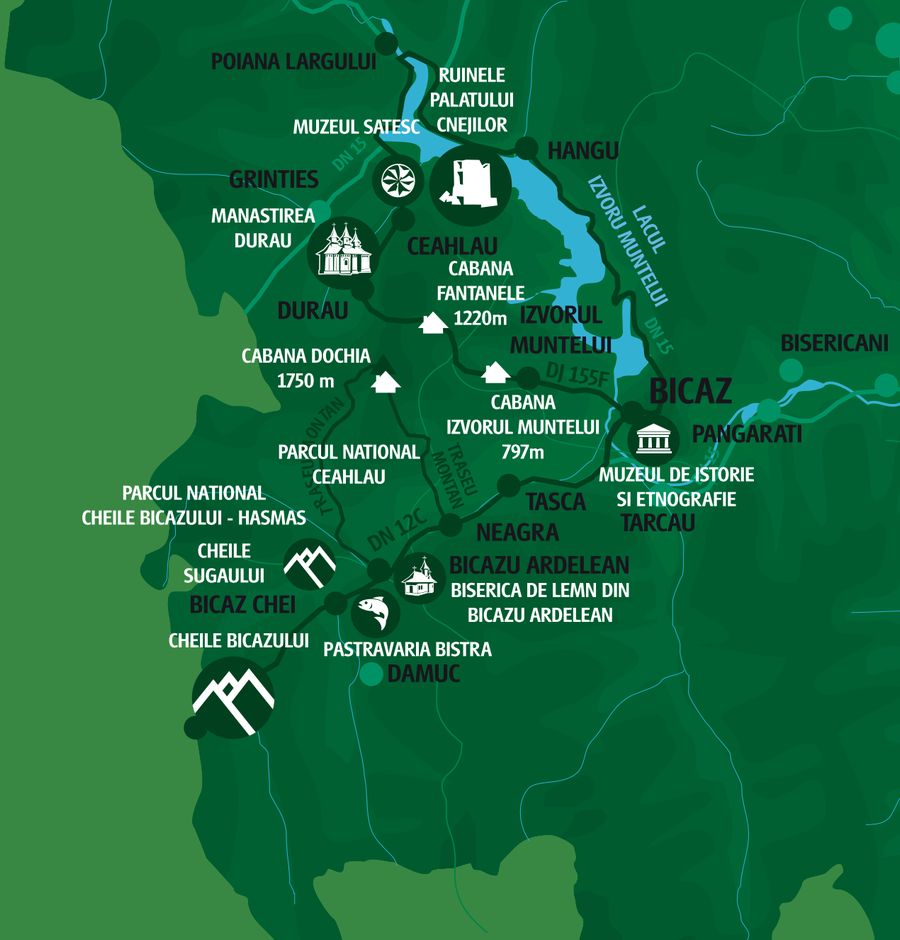
When you reach the Bicaz Gorges, you wonder whether you are dreaming or awake and you can barely grasp the big rocks thrown on the road, which, should you climb them, you would reach the skies.