Nature
Fishing in Neamț County
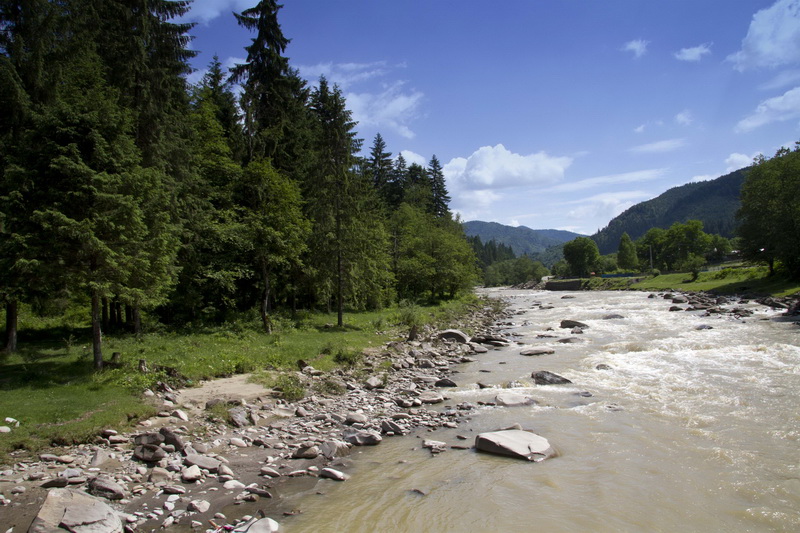
Fishing is an ancient activity that has continued without interruption, thanks to the abundant fish in the waters of Neamț County, which include trout, chub, barbel, grayling, minnow, nase and carp.
Fishing is an ancient activity that has continued without interruption, thanks to the abundant fish in the waters of Neamț County, which include trout, chub, barbel, grayling, minnow, nase and carp.
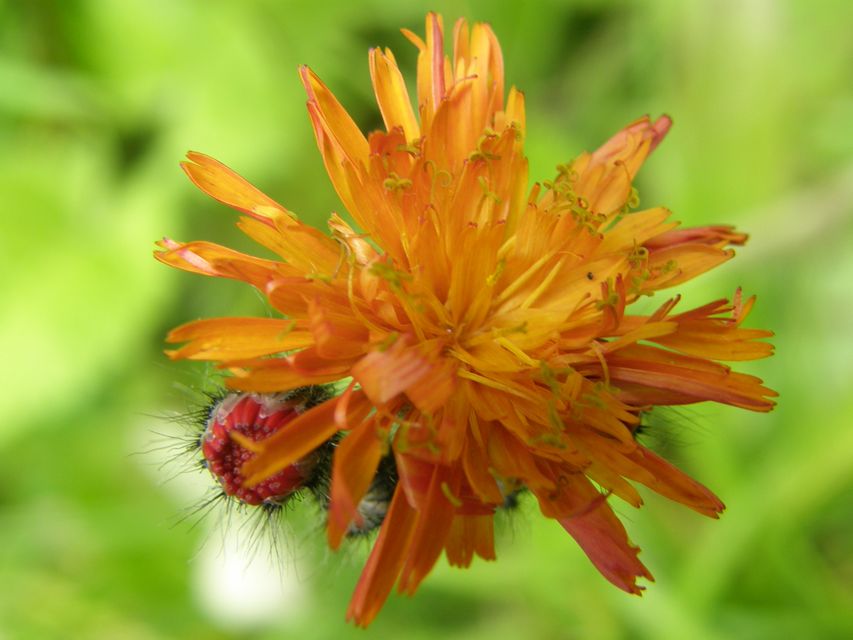
The plant life in the massif, protected by the foundation of Ceahlău National Park, displays extremely valuable mountain ecosystems, most of them continuing in all sub-areas, and contains a luxuriant mixture of a wide variety of species.
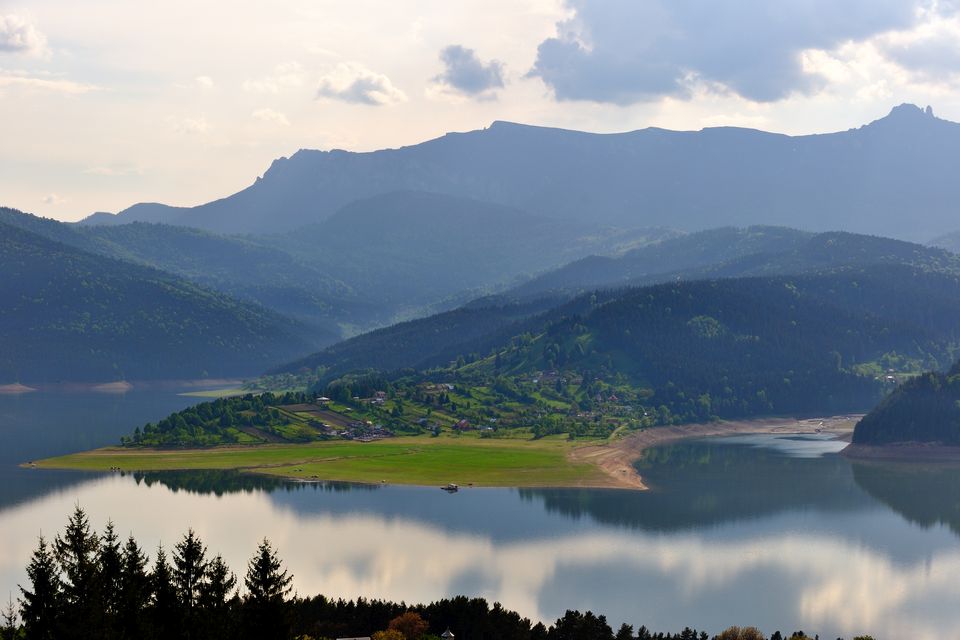
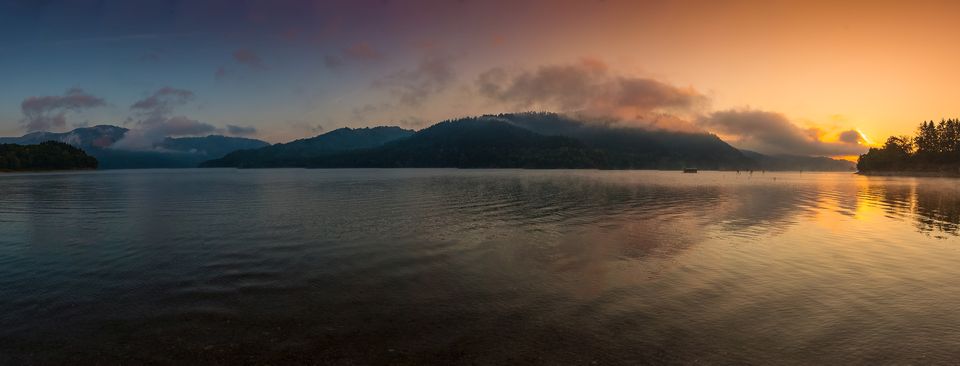
The Izvorul Muntelui Reservoir – the largest and the only one in the Romania where people celebrate “Navy Day”– can reach a maximum area of 32.6 square kilometres and a 96m depth.
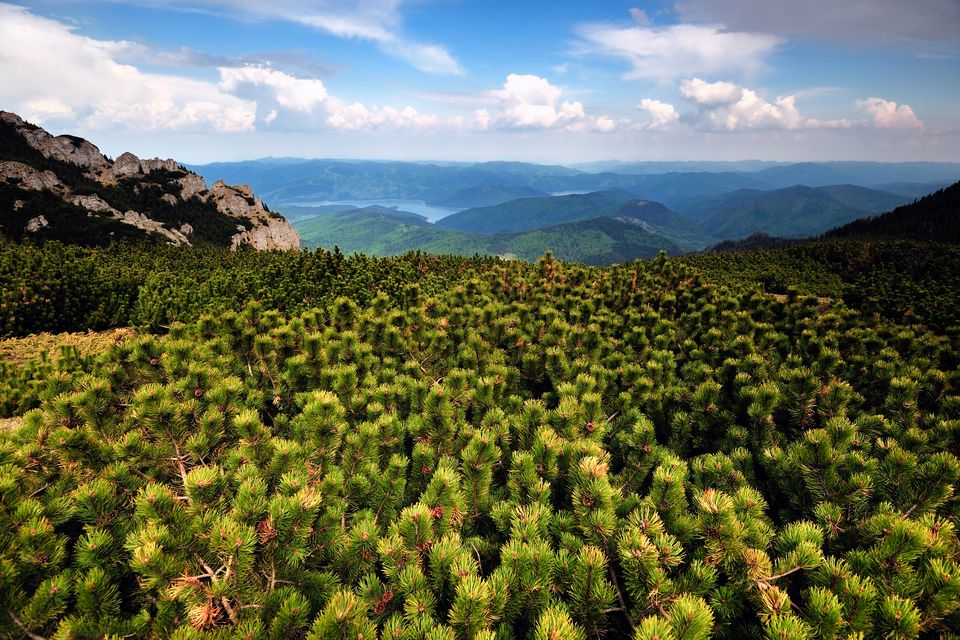
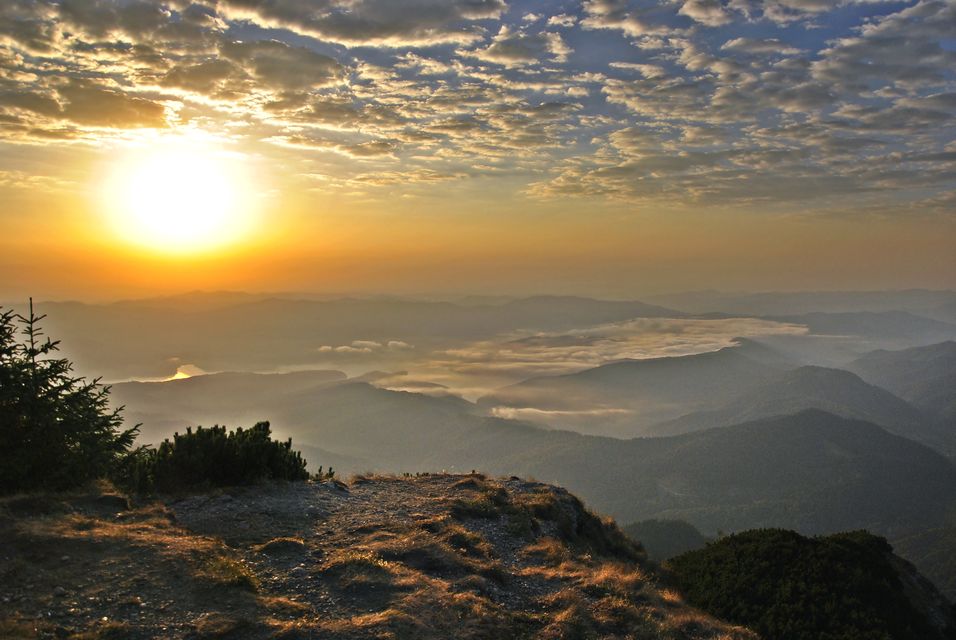
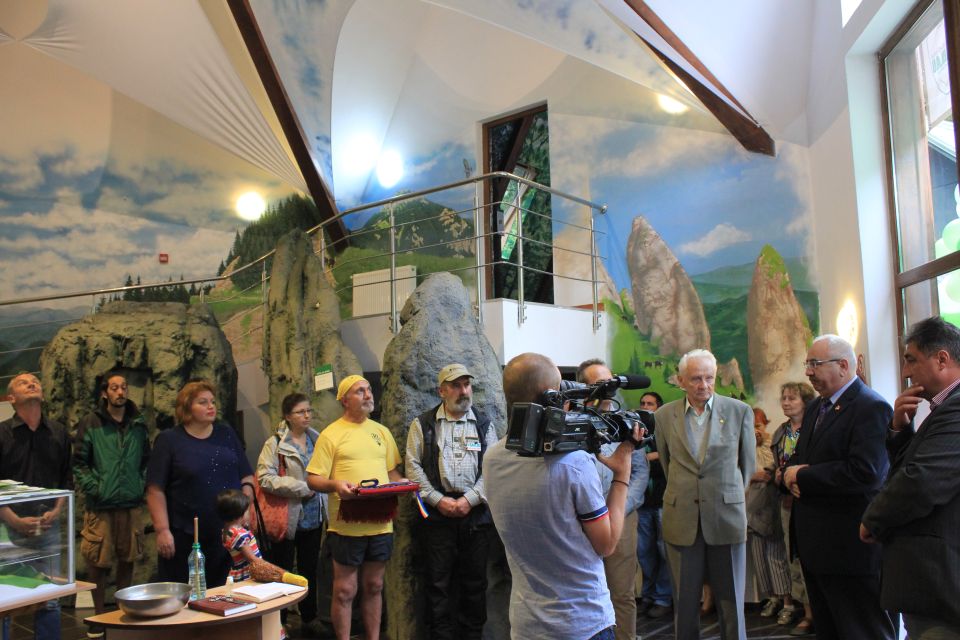
At the foot of the Ceahlău Massif, in Izvorul Muntelui (turn left off National Road 15 as you leave Bicaz towards the Bicaz Dam, then continue for 8 km), a Visitor Centre opened today, inviting you to step inside.
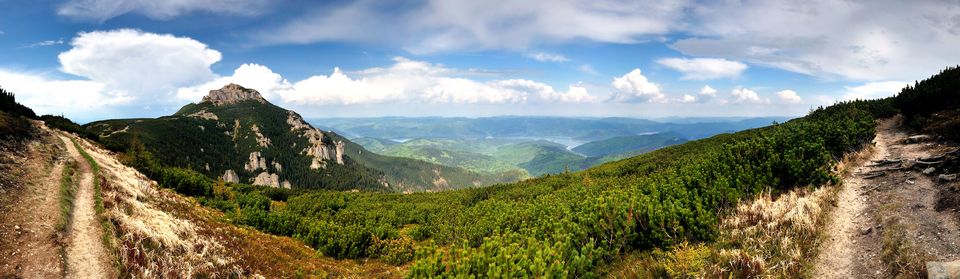
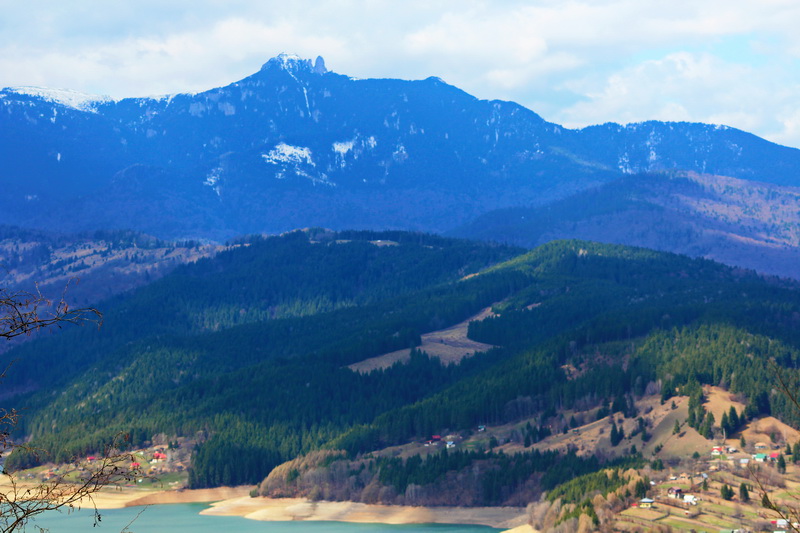
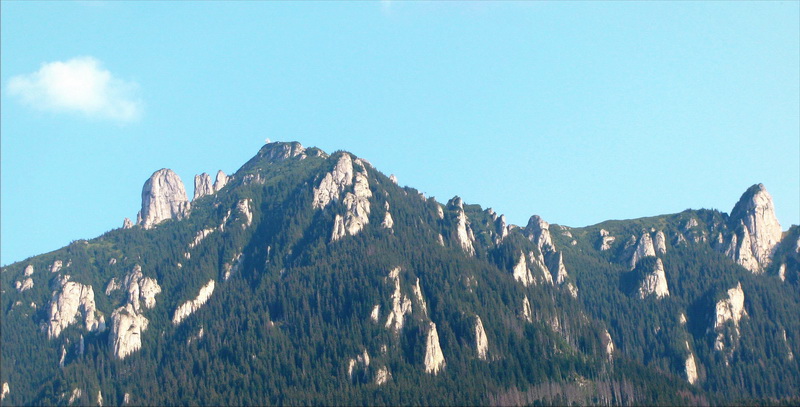
It rises in the south-east of the Bistrița Mountains, in Romania’s Eastern Carpathians, reaching heights of only 1,907 m, yet it decisively dominates all the surrounding peaks for a great distance.
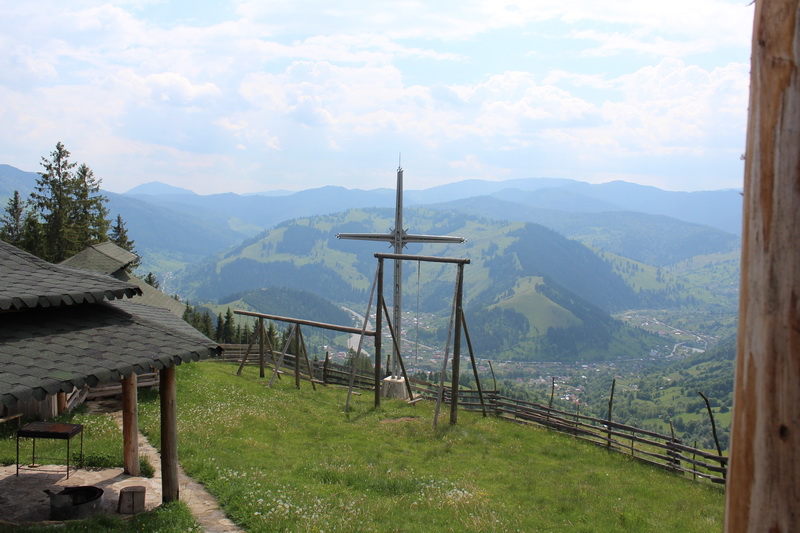
Climbing the sheep up the mountain, at the sheepfold, is a pastoral celebration since Dacian times, which happens in May, with the formation of sheepfolds.
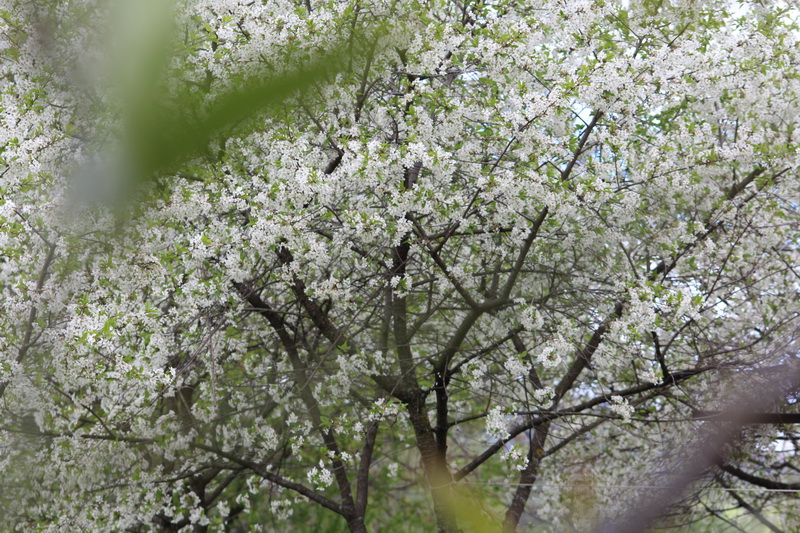
Spring came and the surrounding hills (Bâtca Doamnei, Cernegura, Pietricica, Cozla, Carlomanu), lay at our feet intricate paths leading to their tops, as if inviting us to breathe the fresh air from their forests and meadows. In any season the landscapes are memorable.
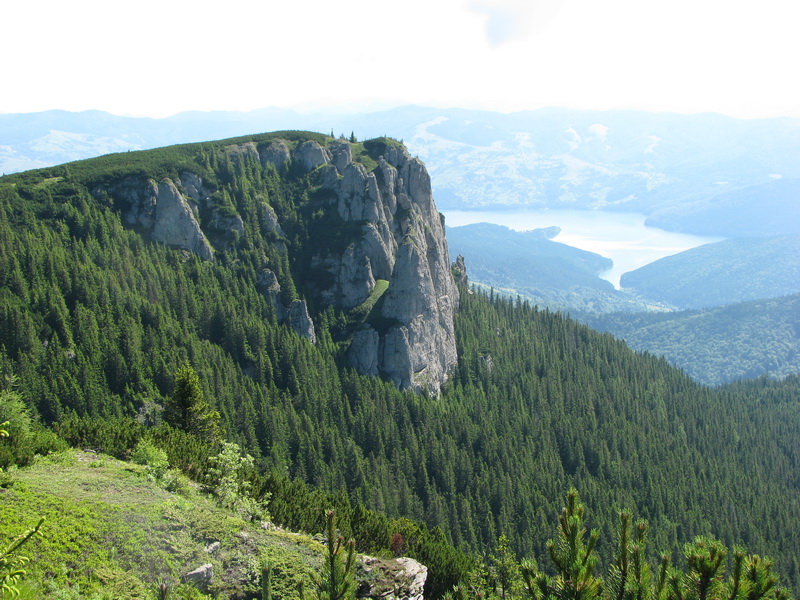
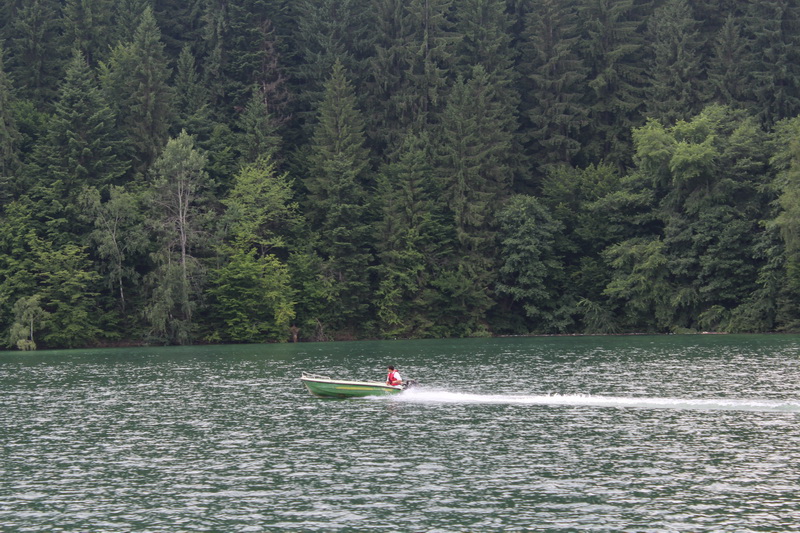
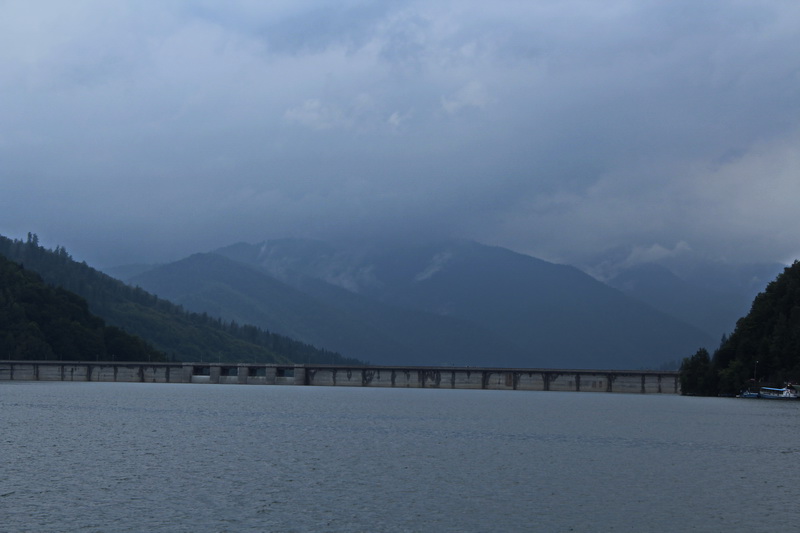
Yes, The Lake Izvorul Muntelui is the Sea between the mountains. Imagine a mirror of water with a length of about 35 km, an area of about 32 square kilometers, deployed behind a dam high over 120 m.
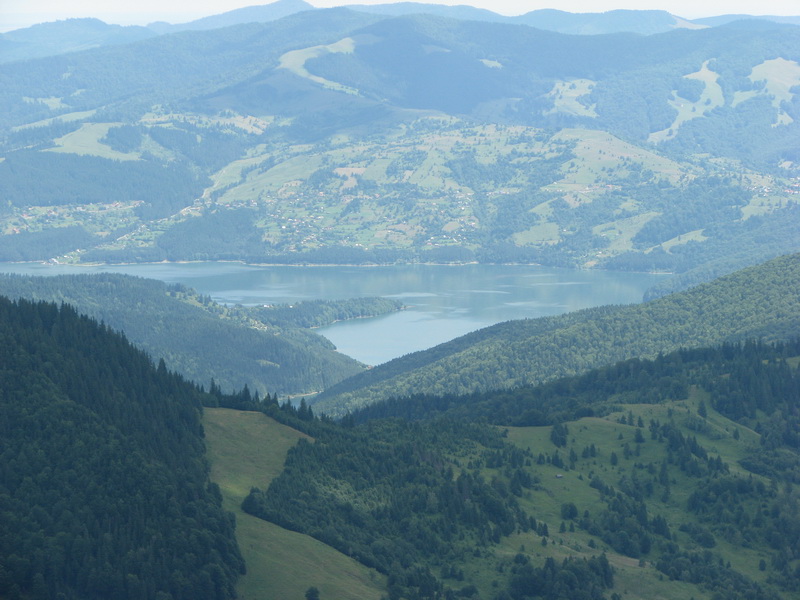
When we are in Durău resort (800m), from somewhere on the slope, we can admire the beautiful view of the Massif Ceahlau dominated by the topToaca (1900 m), the Panaghia and Piatra Ciobanului.