Heritage
Secu Monastery (II)
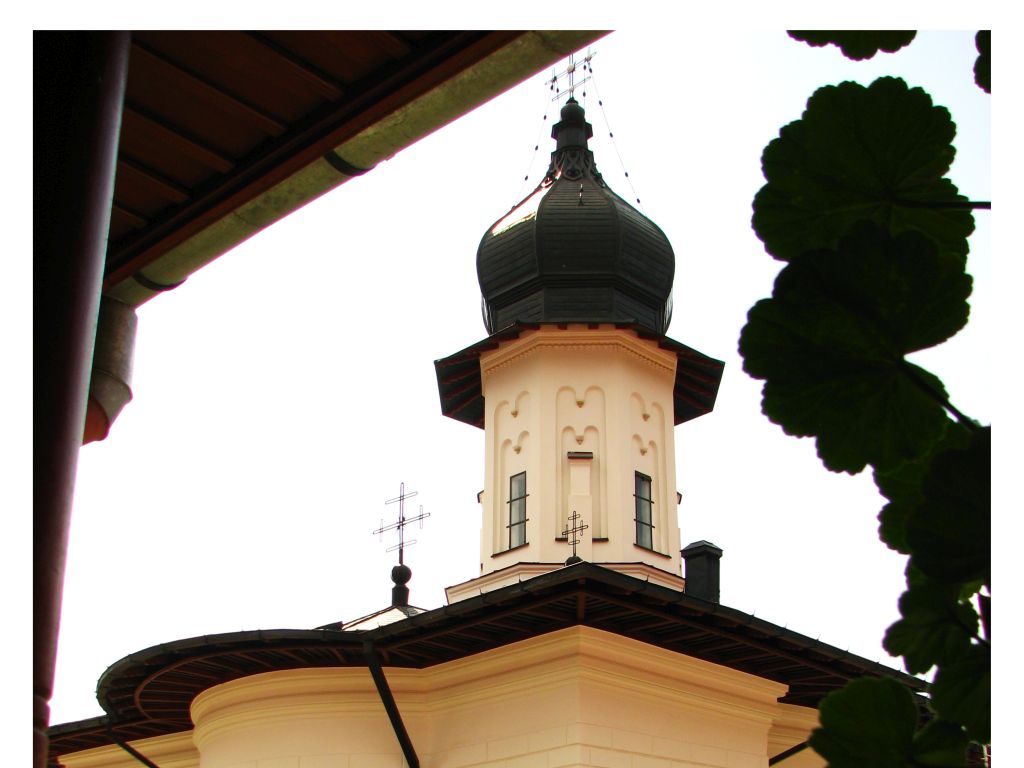
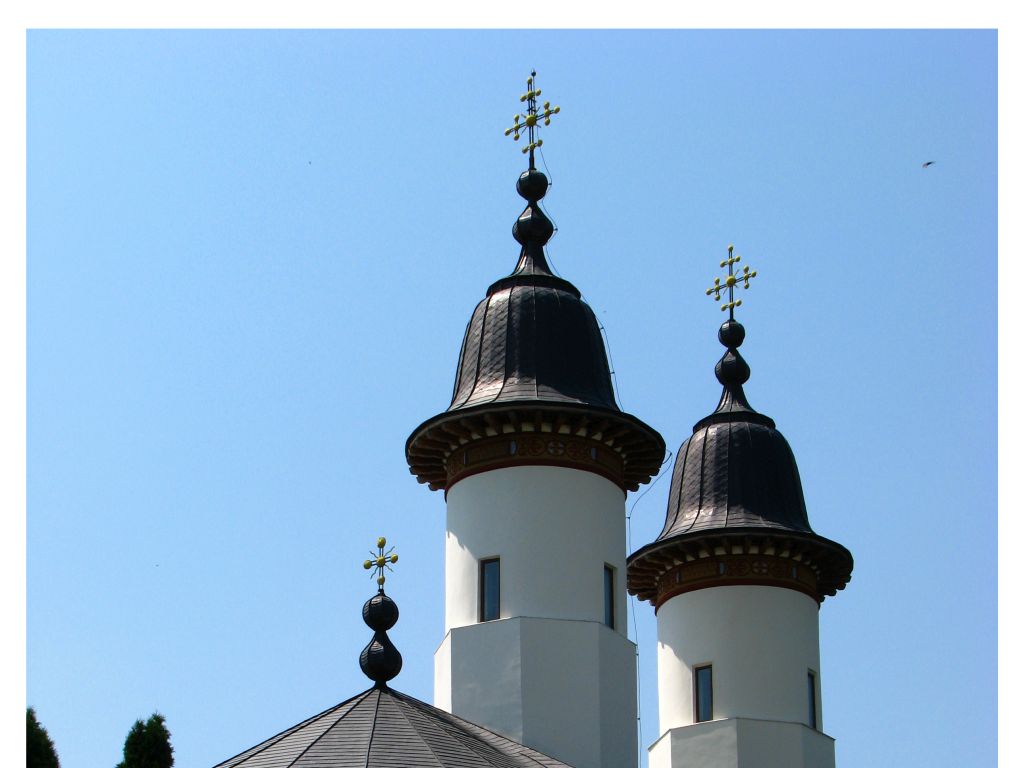
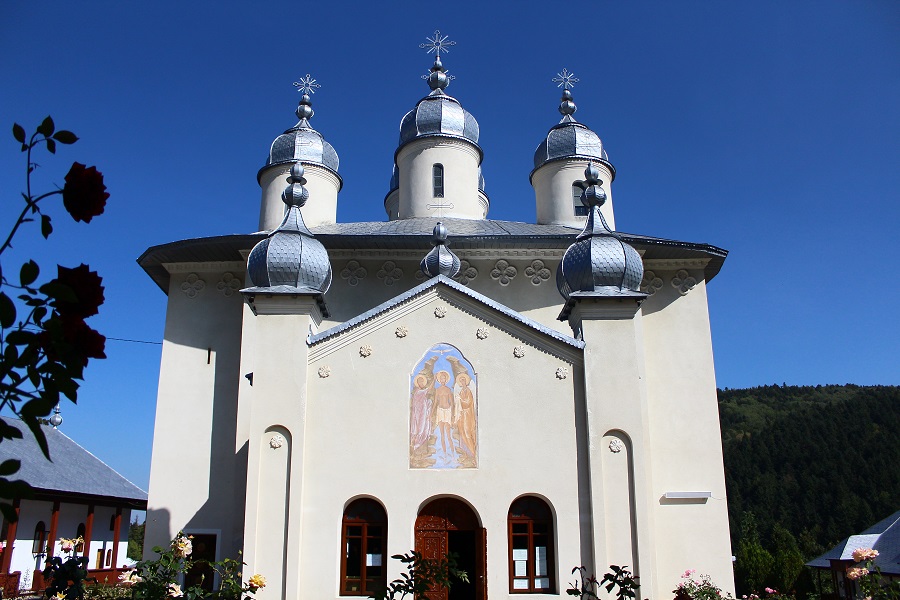
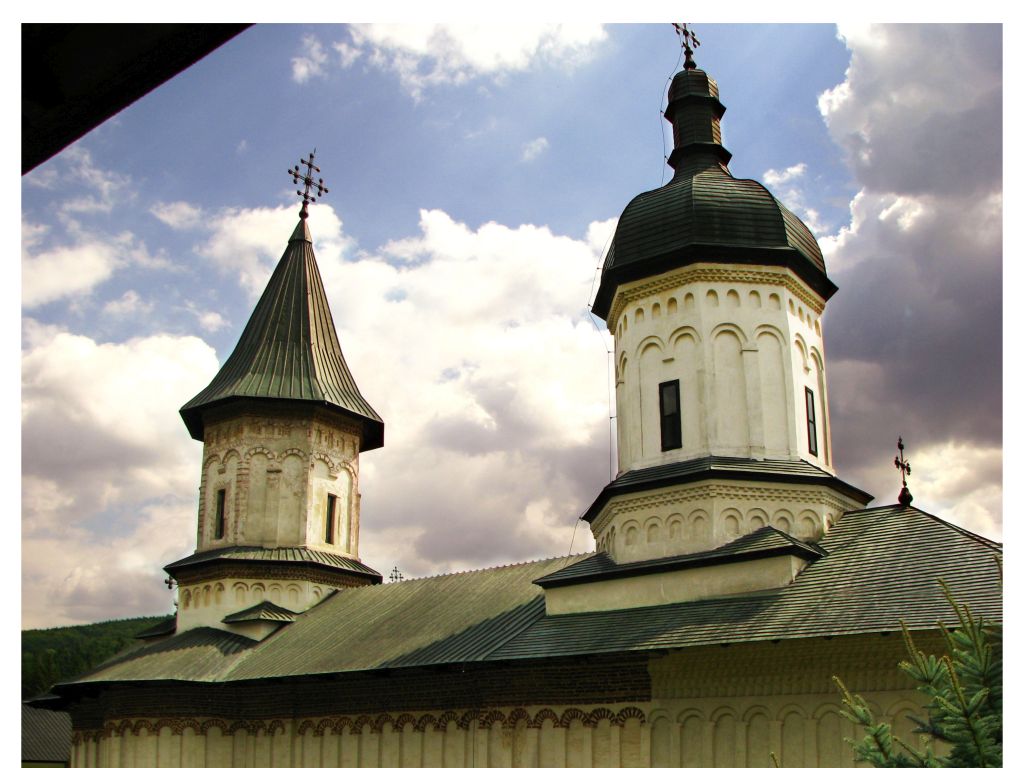
Around 1500, a group of hermits from Neamț Monastery settled in the Secu Stream Valley and, under the leadership of schema-hieromonk Zosima, founded Zosima’s Hermitage in 1530.
Around 1500, a group of hermits from Neamț Monastery settled in the Secu Stream Valley and, under the leadership of schema-hieromonk Zosima, founded Zosima’s Hermitage in 1530.
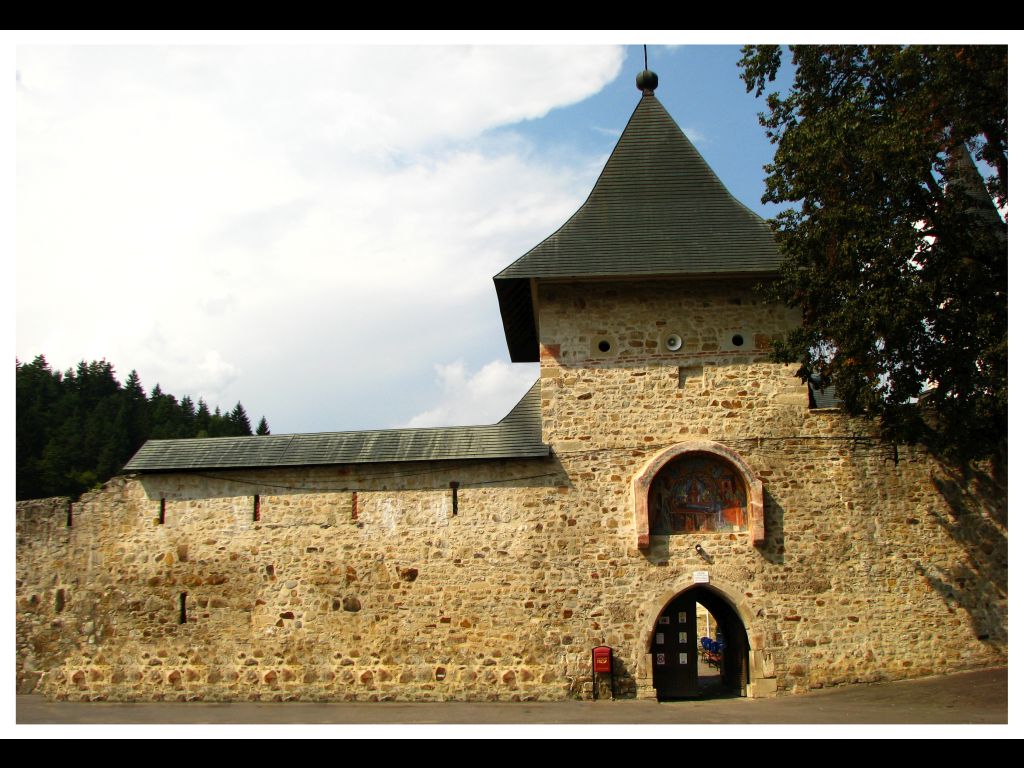
Bistrița Monastery is one of Romania’s oldest complexes of religious buildings, historic monuments and medieval art, and the most important foundation of the Mușatin dynasty in Moldavia.
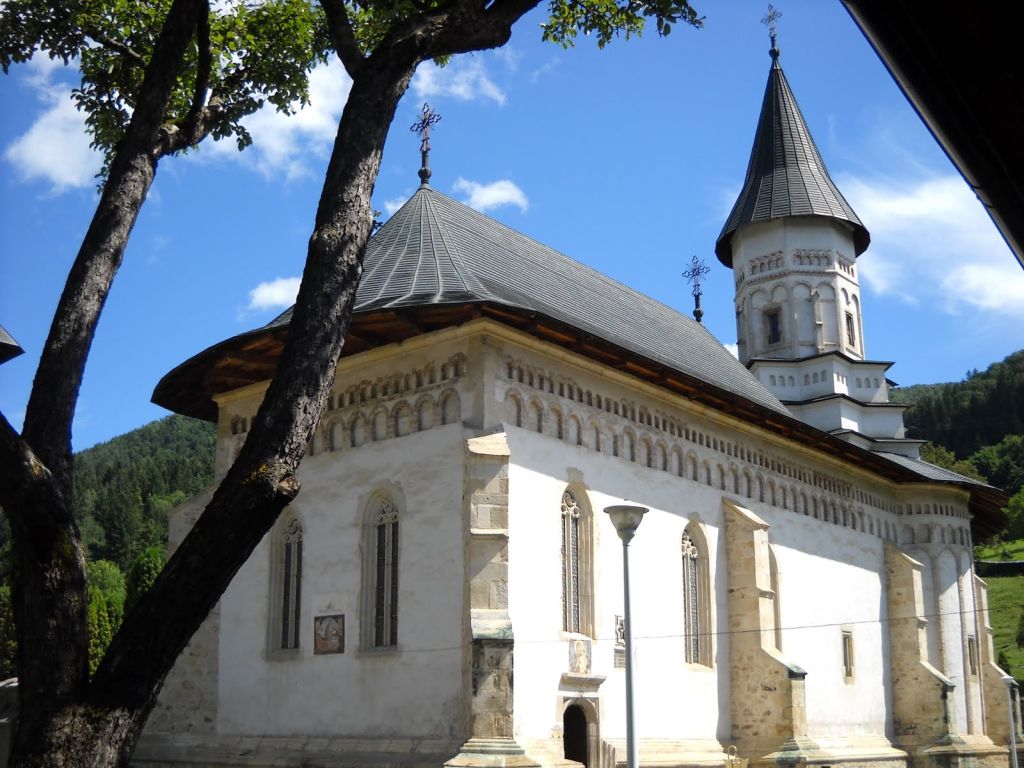
Its successive founders are the four great Mușat princes: Alexandru cel Bun, Ștefan cel Mare, Petru Rareș, and Alexandru Lăpușneanu.
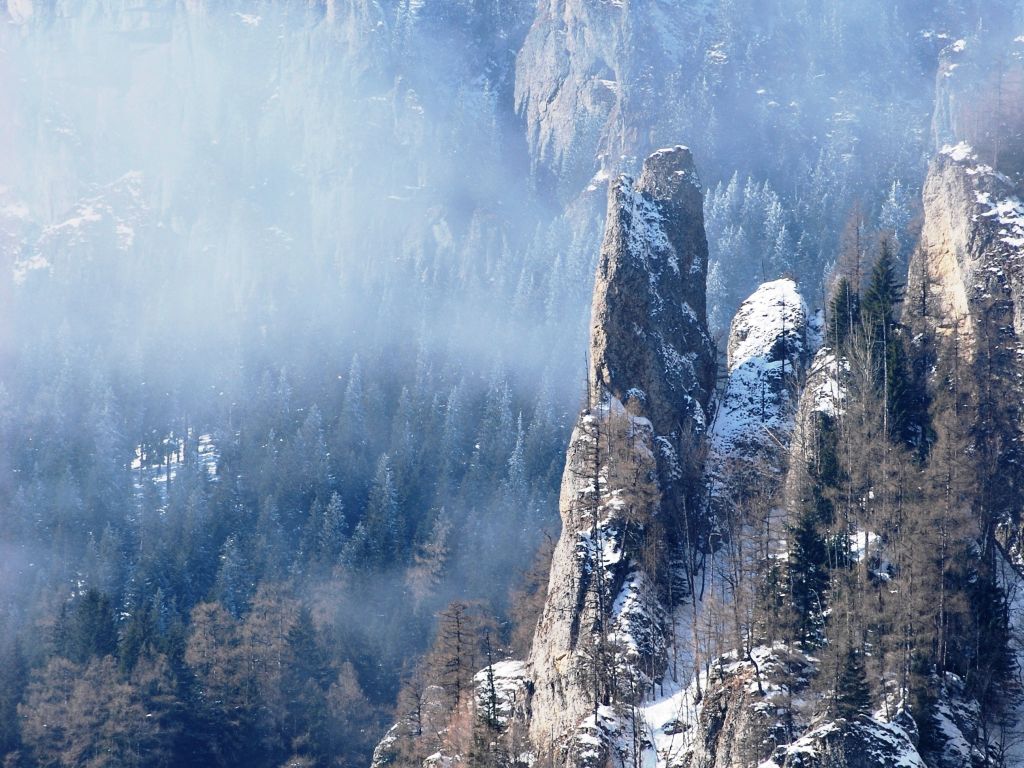
The 1st of March is approaching and beside the customs and traditions related to the trinket (mărțișor) the herald of spring, popular belief reminds of The Old Ladies’ legend, associated with Baba Dochia, the one who brings winter.
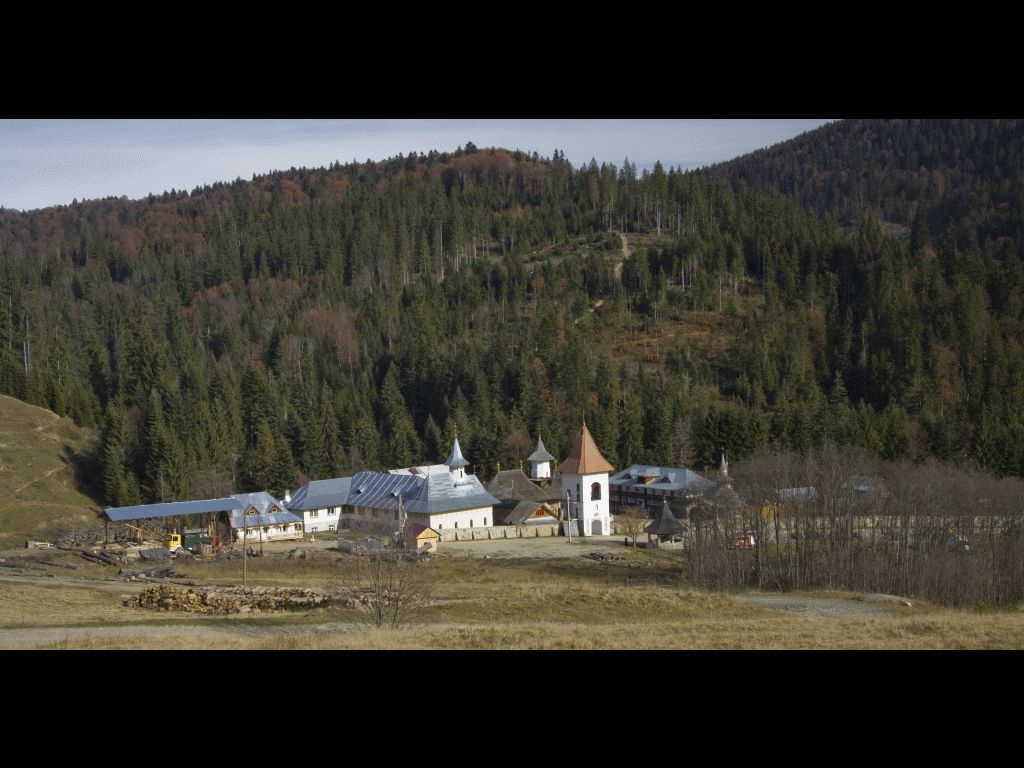
It is located in a clearing, 6 km away from DN 15B that connects the Poiana Largului crossroads coming from Târgu-Neamț.
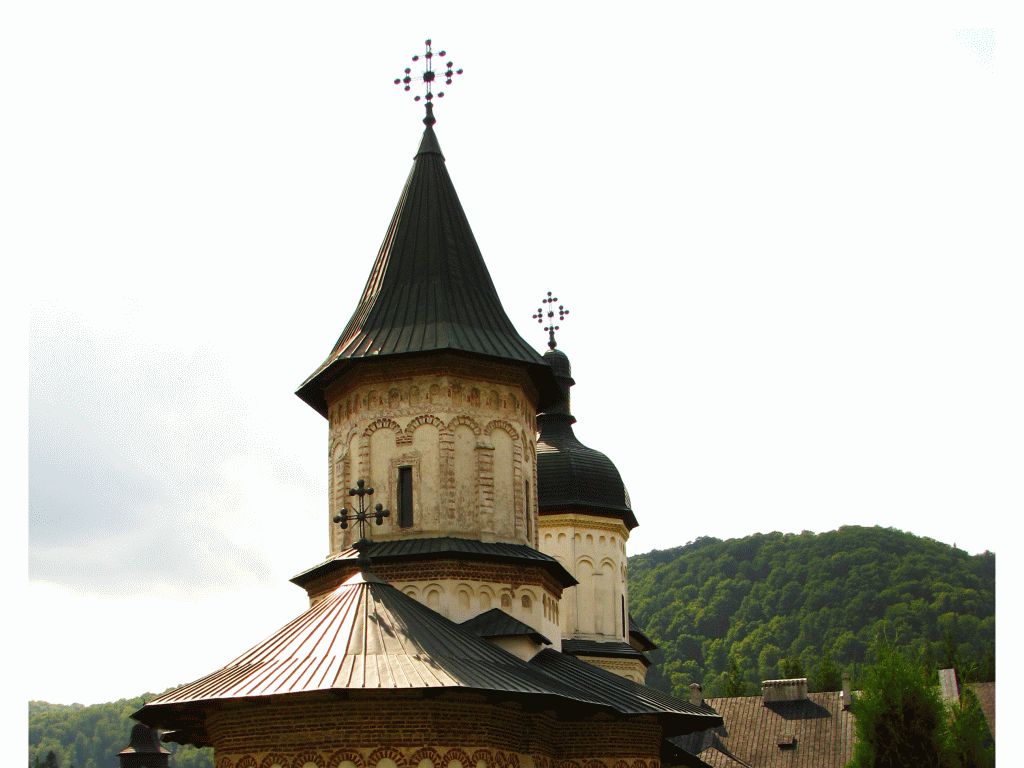
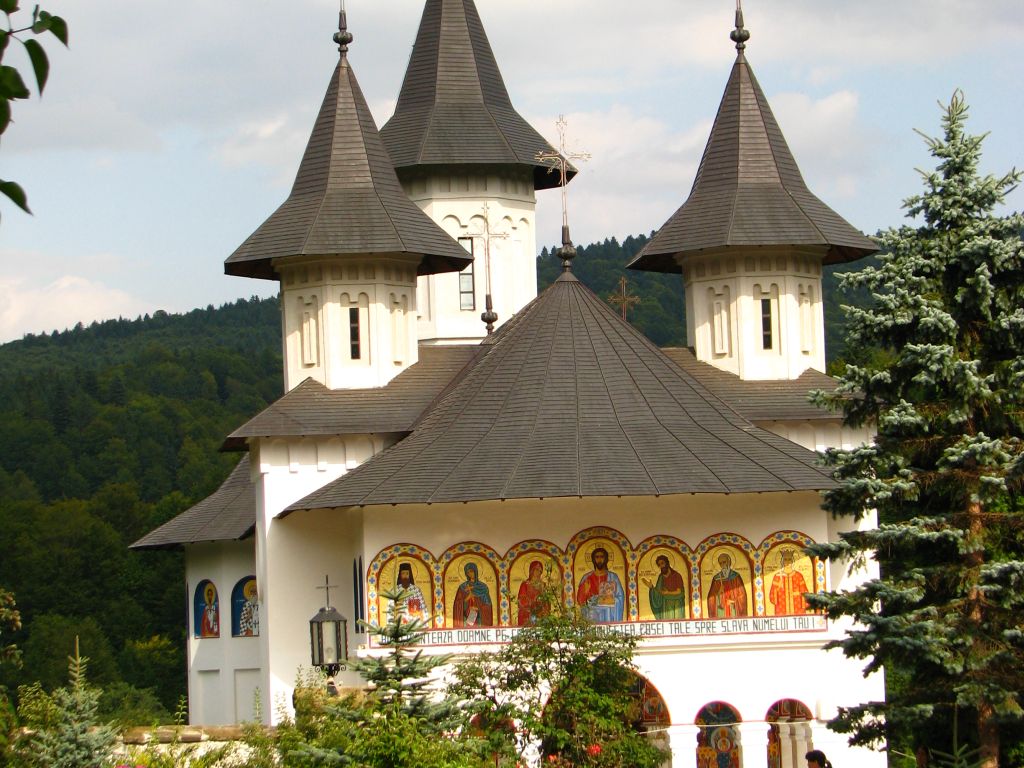
The beginnings of the old monastic settlement in the commune of Vânători-Neamț are connected to the hermitage Zosima the hermit settled here in 1530.
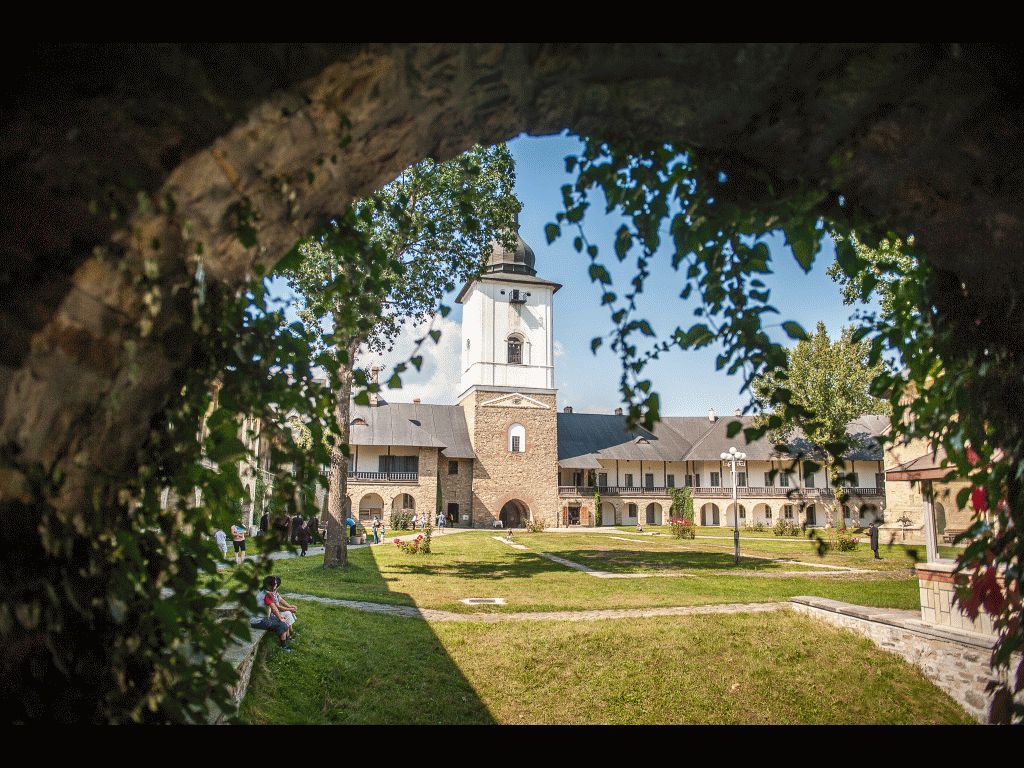
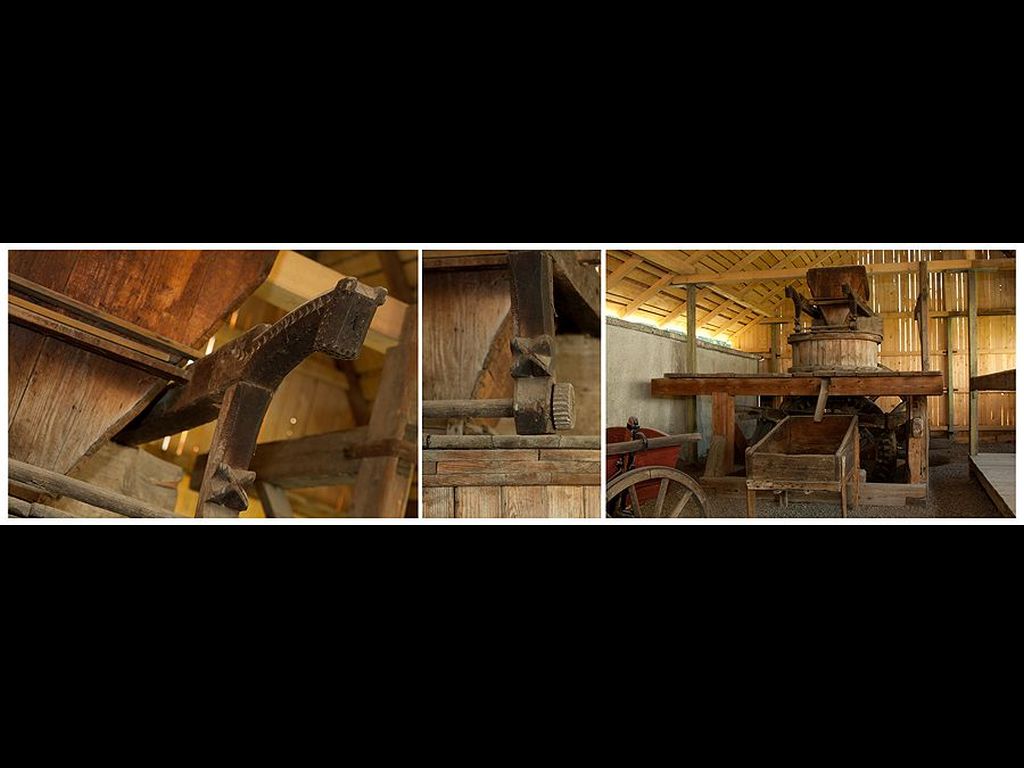
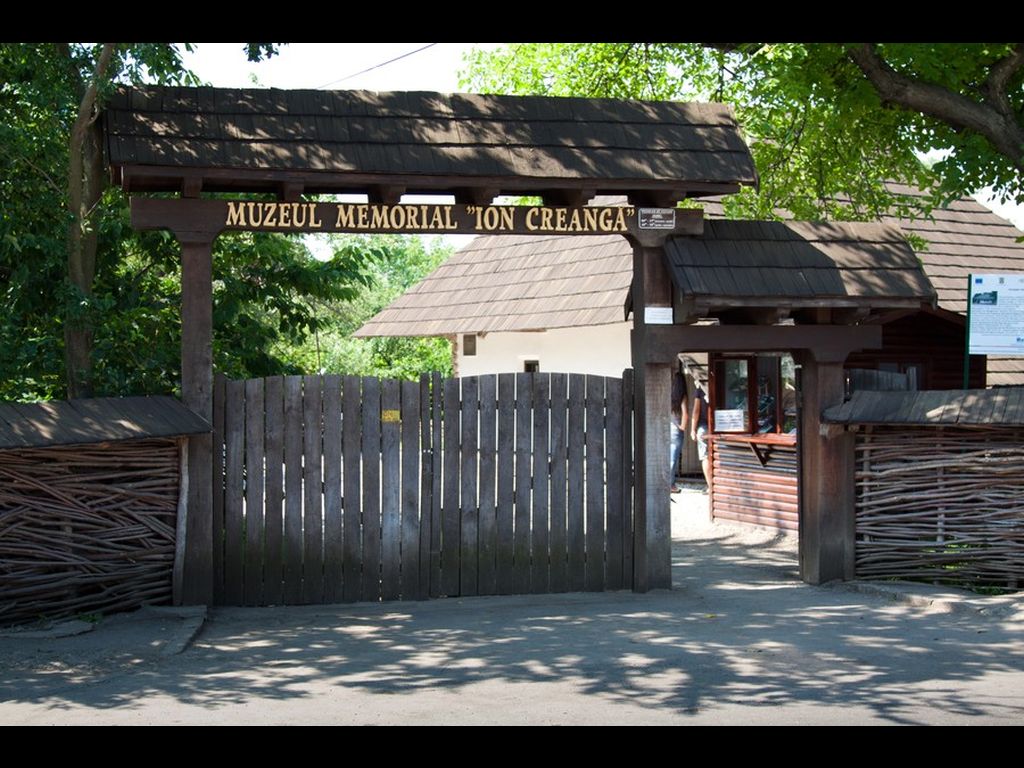
There are many admirable places and things in Neamț County, but the house where Nică a lui Ștefan Apetrei was born and grew up holds a special appeal.
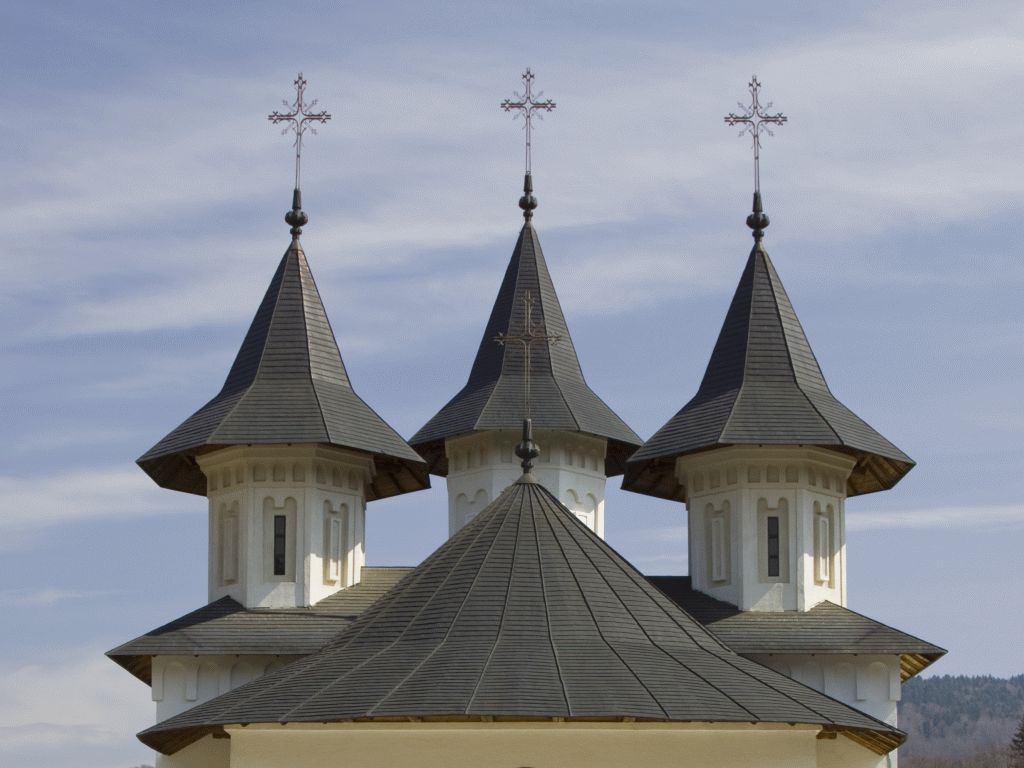
Continuing our itinerary, only 3 km away, we come across one of the most blessed hermitages of the area, where the hermits secluded here from the Neamț and Secu monasteries spent their life in humbleness and prayer, seeking peace and solitude.
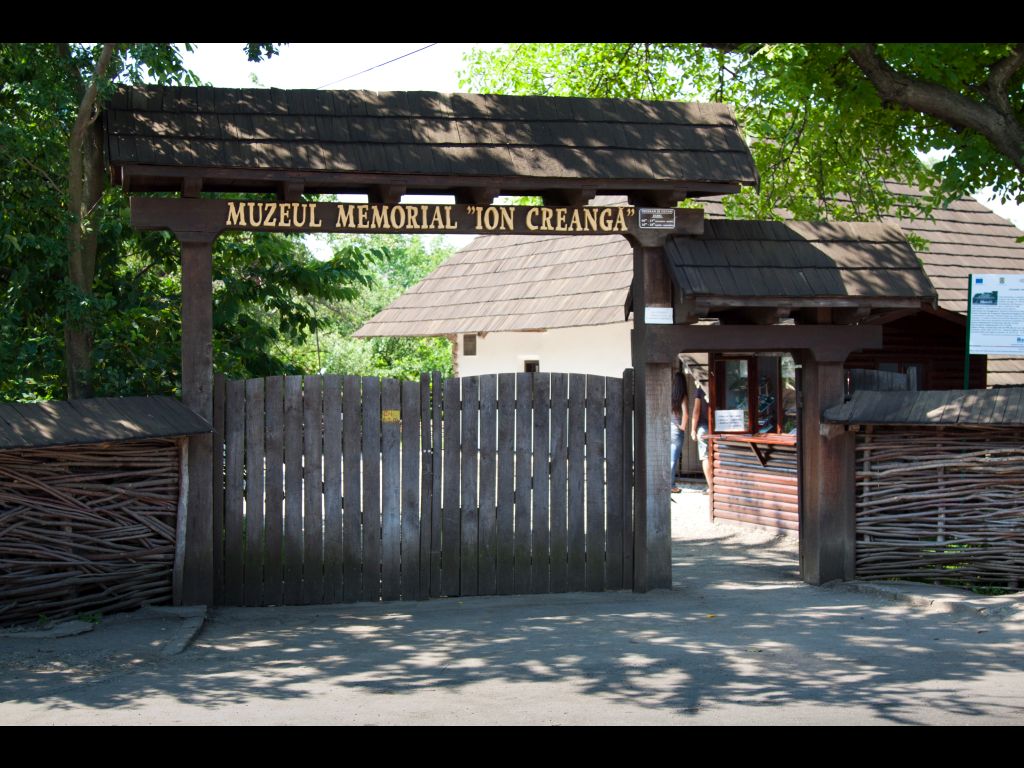
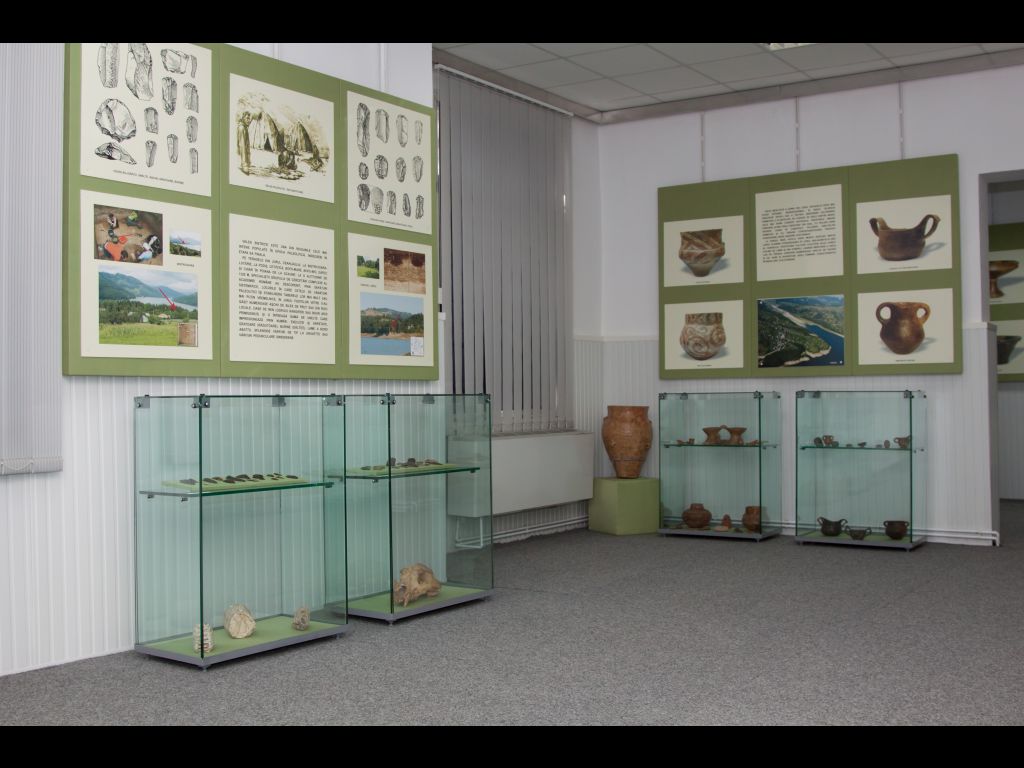
The museum, organised in 1951, is located in the village of Humulești, where the brilliant storyteller, who humbly described himself as a “lump of dust,” came to this world on 1 March 1837.
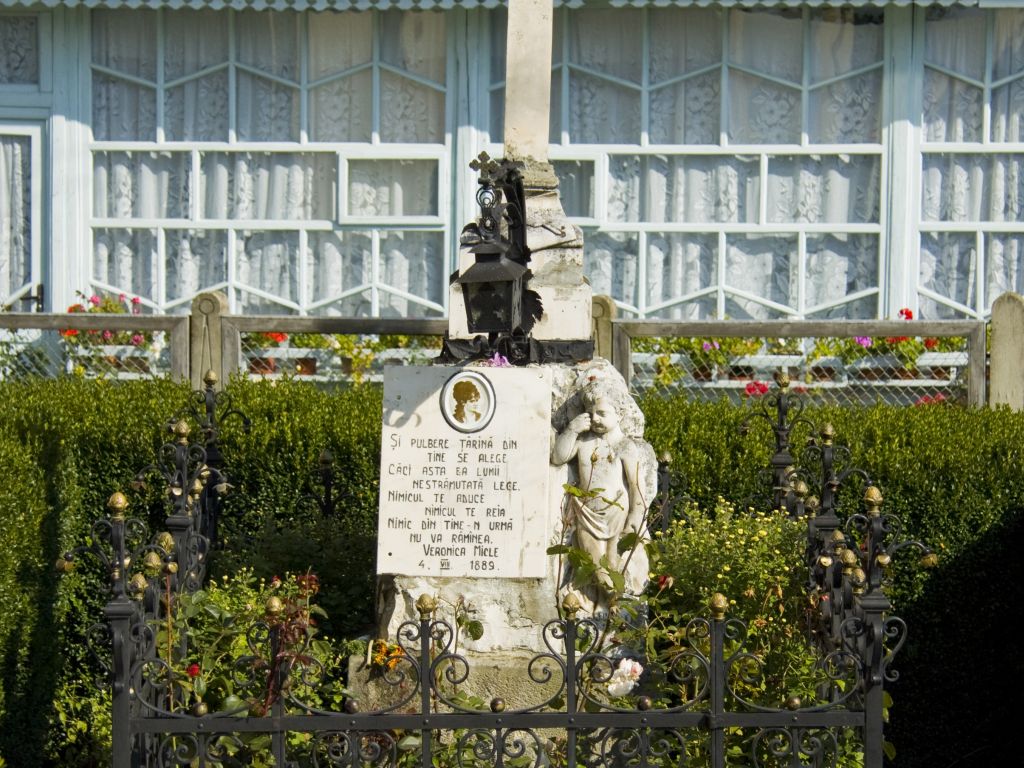
The house, located at the old heart of the town of Târgu-Neamț, was built in wood and brick by the Neamț Monastery in 1834, in the most authentic Romanian style, intended to be a school or a hostel.