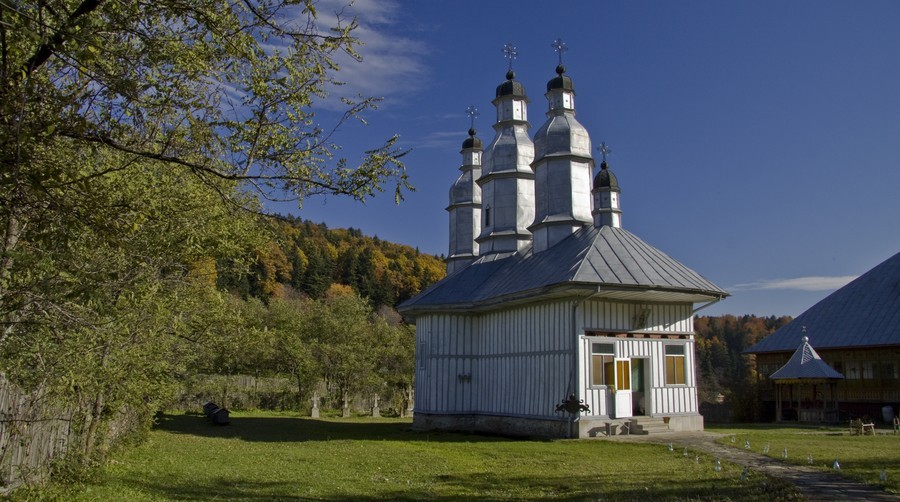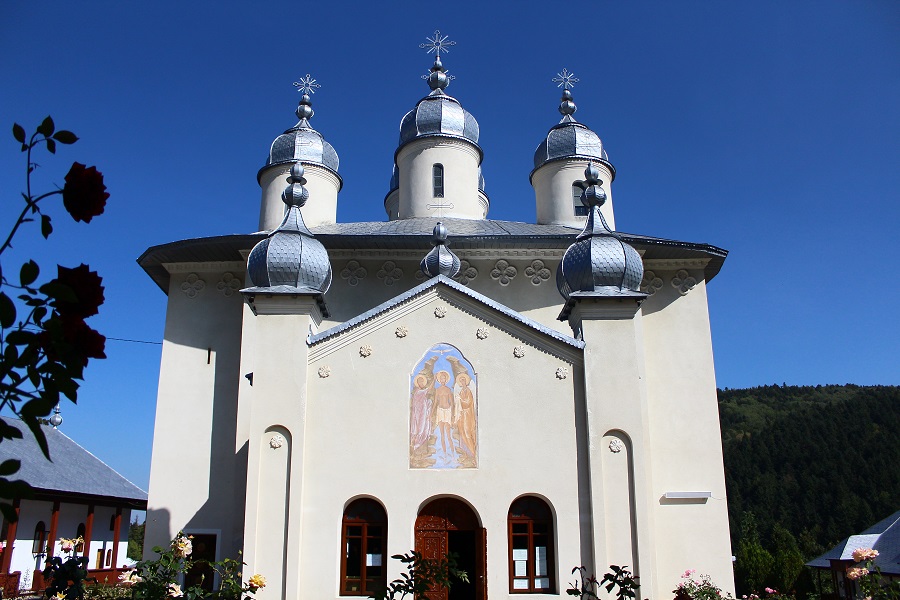
Horaița Monastery from Neamț County
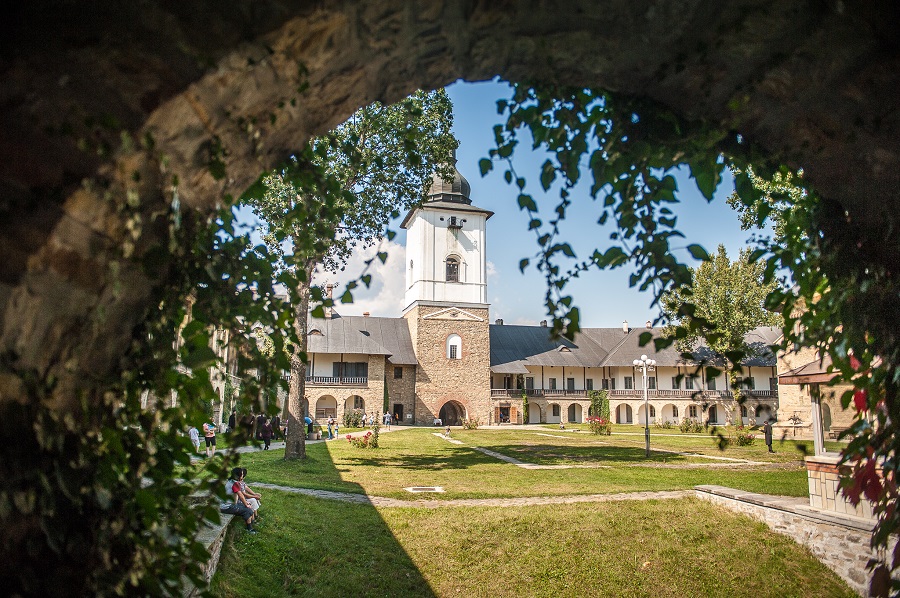
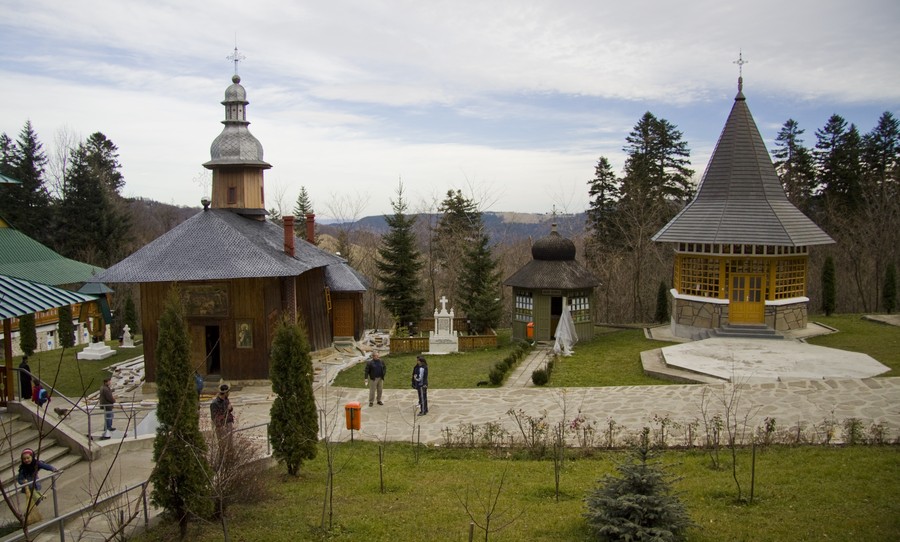
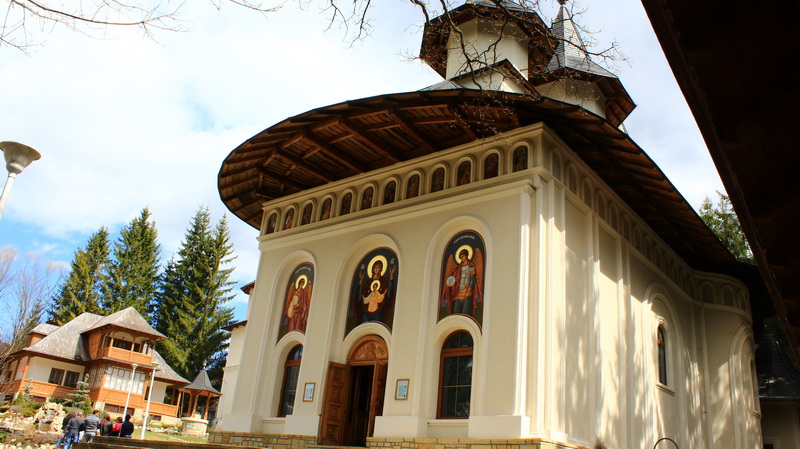
Located in the commune Crăcăoani, the monastery was built in 1824, by archimandrite Irinarh Roset, with the support of the Metropolitan Bishop Veniamin Costachi, on the site of a fifteenth-century wooden church.
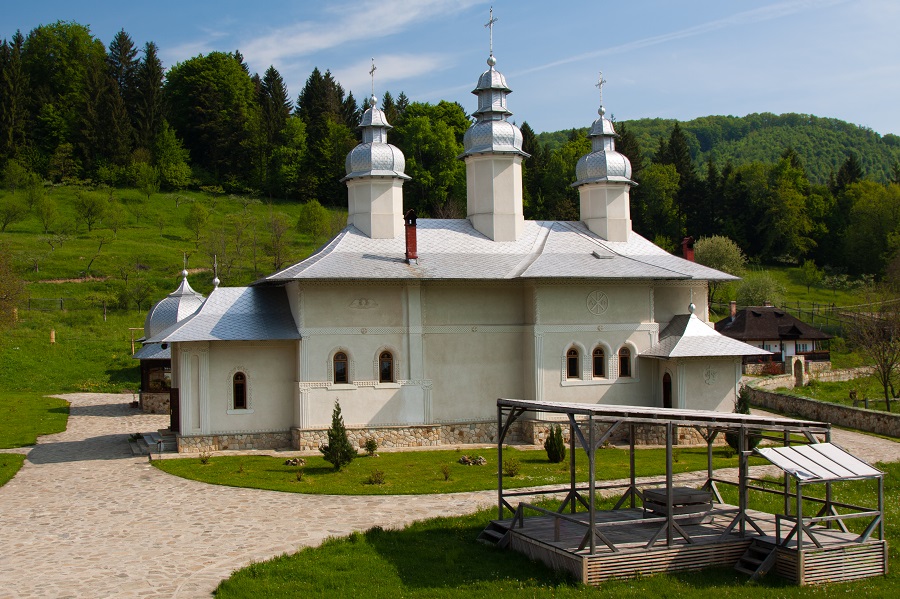
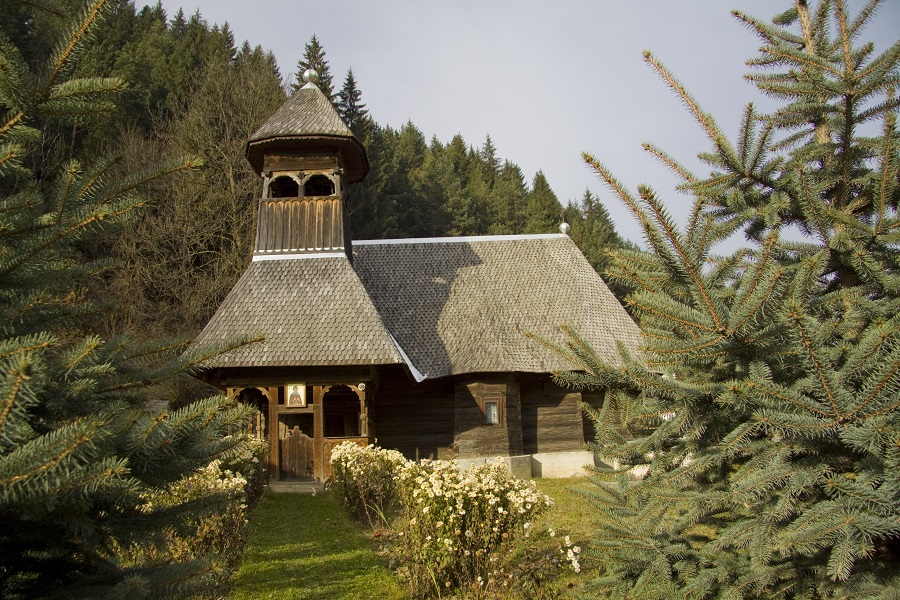
Located in the commune Crăcăoani, the monastery was built in 1824, by archimandrite Irinarh Roset, with the support of the Metropolitan Bishop Veniamin Costachi, on the site of a fifteenth-century wooden church.
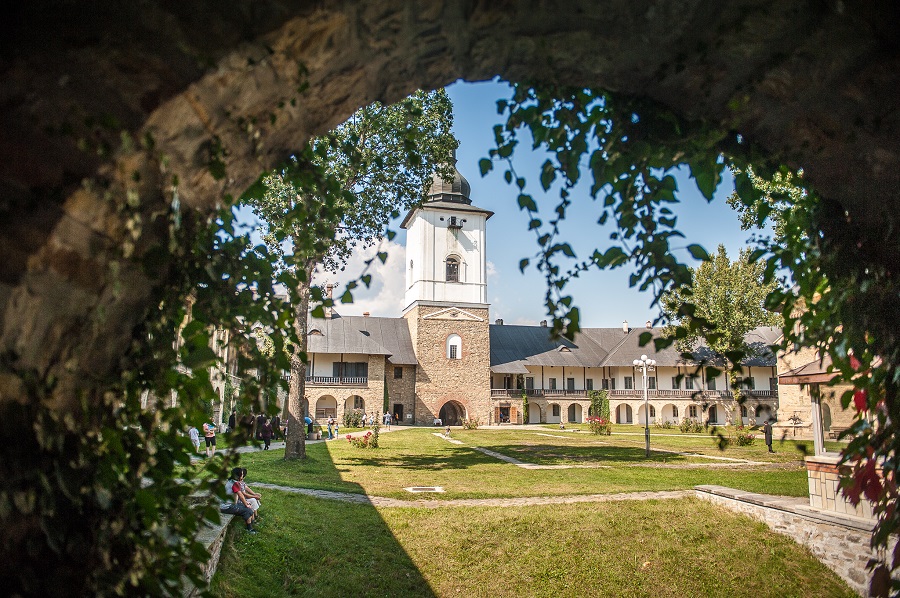
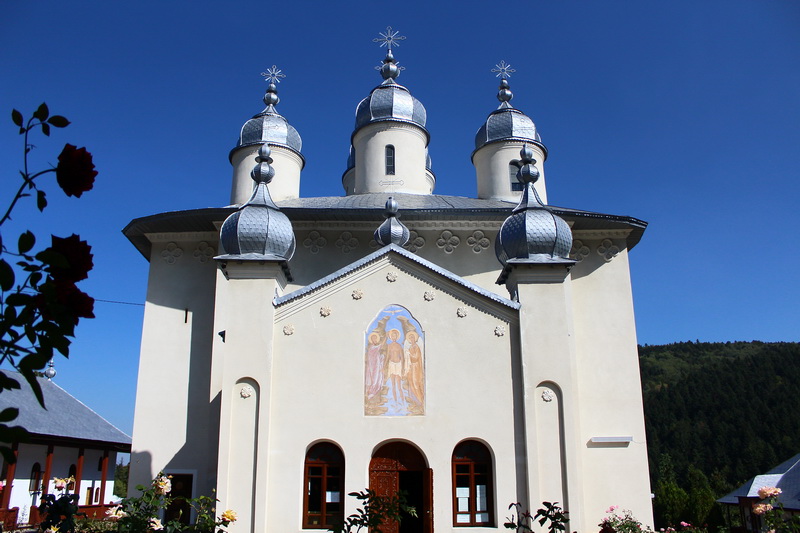
Located in the commune Gârcina, the monastery continues the tradition of the hermitage commissioned in 1659 by an Almaș family – shepherds who fled the Hungarian oppressive regime in Hațeg.

Places where tradition, faith and sanctity intertwine, wooden churches are truly timeless sites. You cannot know what true faith means until you step into a wooden church at least once.

The monasteries of the Neamț area stand proudly through changing times, social orders, peoples and generations, as if they have always existed.

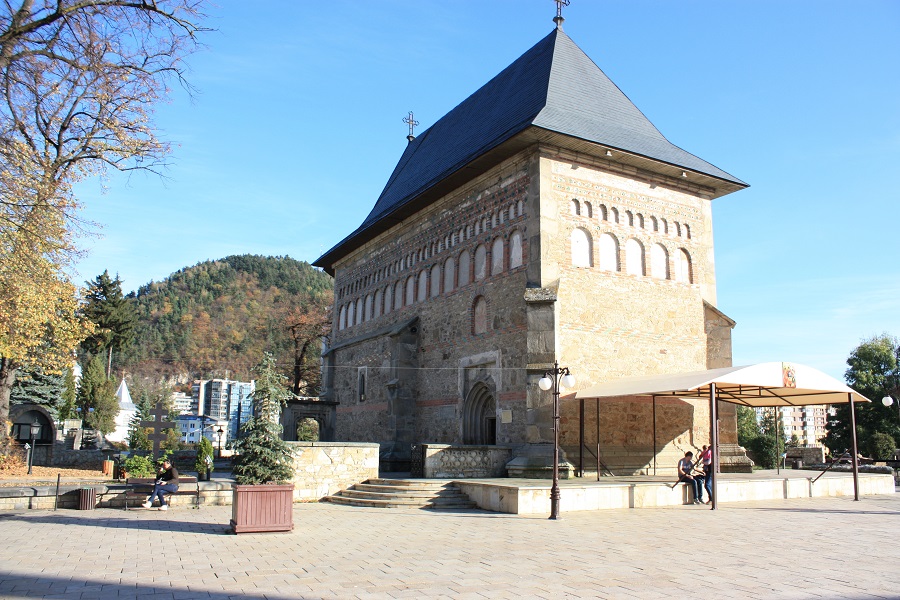
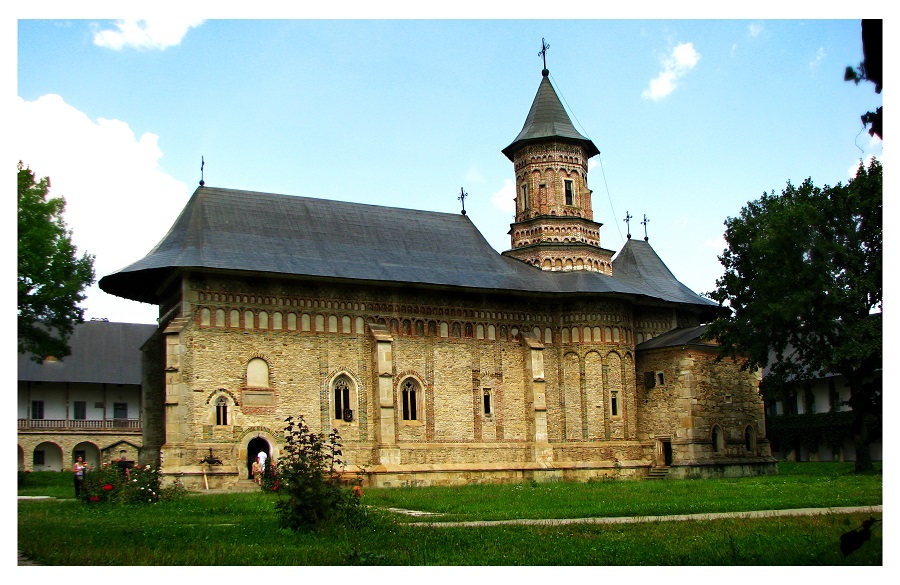
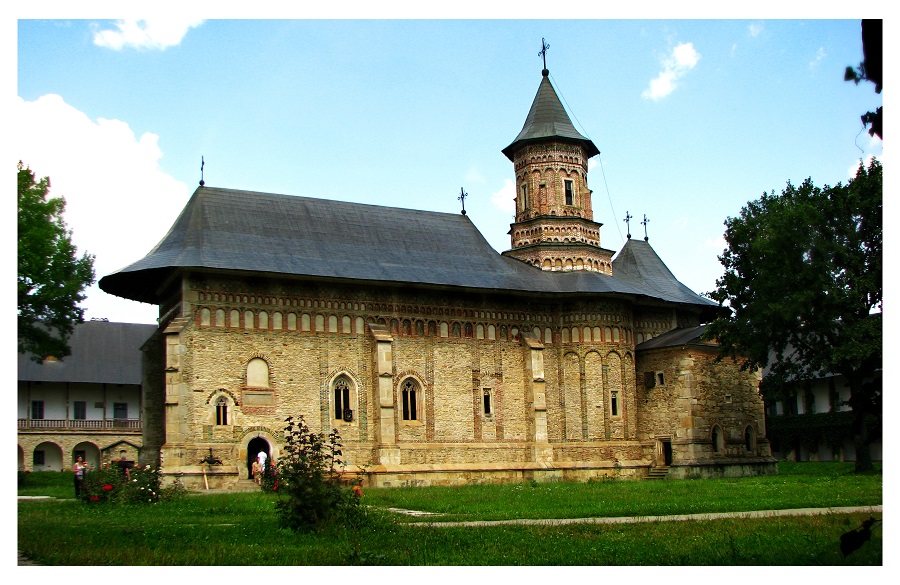
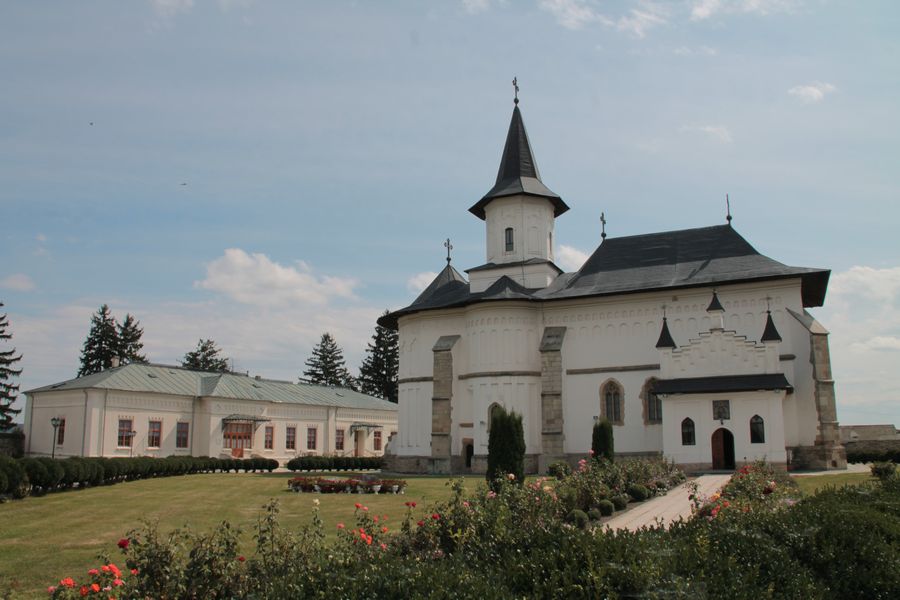
The first documentary attestation of the monastery dates from 1210. According to the documents, Petru Mușat erected a stone church on the site of an old wooden church in 1375, which was destroyed in the earthquake of 1471.

Stephen the Great’s Royal Court was built in Piatra Neamț between 1468 and 1475 and served as the administrative centre of the Neamț region.

Below the little church made from a single fir tree stood an old church founded by the Cantacuzino family, renovated in 1813 by Archimandrite Benedict, abbot of Neamț and Secu Monasteries.

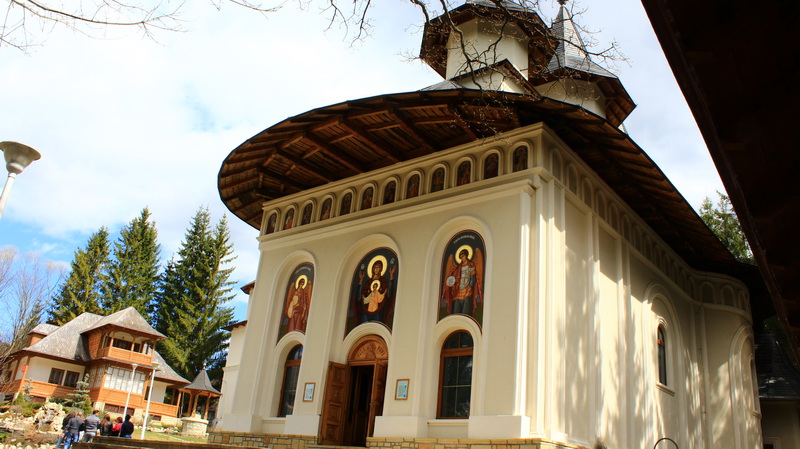
Two monasteries in Neamț County – Durău and Horaița – will have special services on Saturday, 25 March, thus marking their own patronal feasts on the day of the Annunciation.

The renowned monasteries of Moldavia represent a tourist destination you must visit at least once in your life.

Neamț Monastery is an ancient centre of monastic life in Neamț County where the surrounding natural beauty is complemented by the light of the culture within and the multitude of pilgrims who come here seeking moments of peace.

The “Lidianca” icon of the Mother of God at Neamț Monastery has a remarkable story that takes us back to around the year 665.


Monasteries in the Neamț area stand proudly through changing times, social orders, peoples and generations, as if they have always existed.

Saint Parascheva, the patron saint of Moldavia, is deeply revered in Orthodox places of worship throughout our county.

Horaița Monastery can be reached by car walking on National Road 15 C, Piatra Neamt – Targu Neamt. At Dobreni, turn on an asphalt road, pre-signaled, and go through another 15 km on county road 156A, through Negrești and Poiana.

The church is the oldest and most beautiful community building from the Romanian traditional village. Around it, the main buildings were also built.

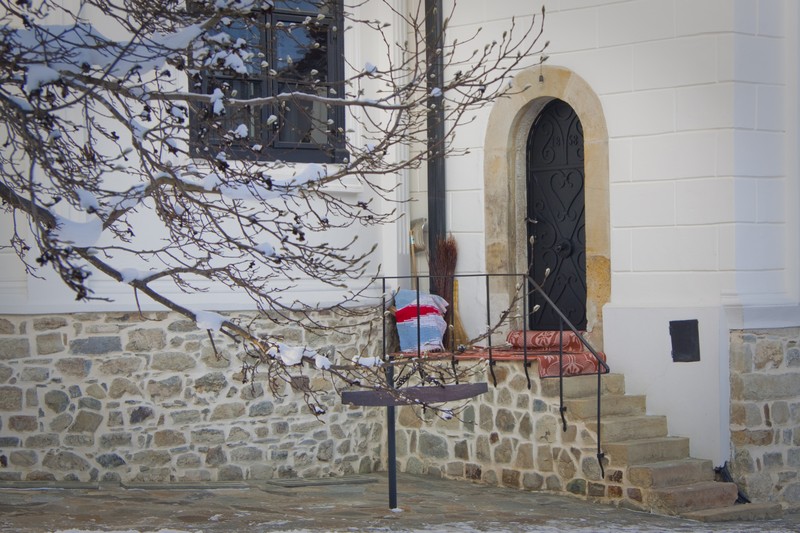
A trip to the beautiful monasteries of Neamt County is always a great experience, especially during winter, when everything seems to be a fairytale scene.