Spiritual
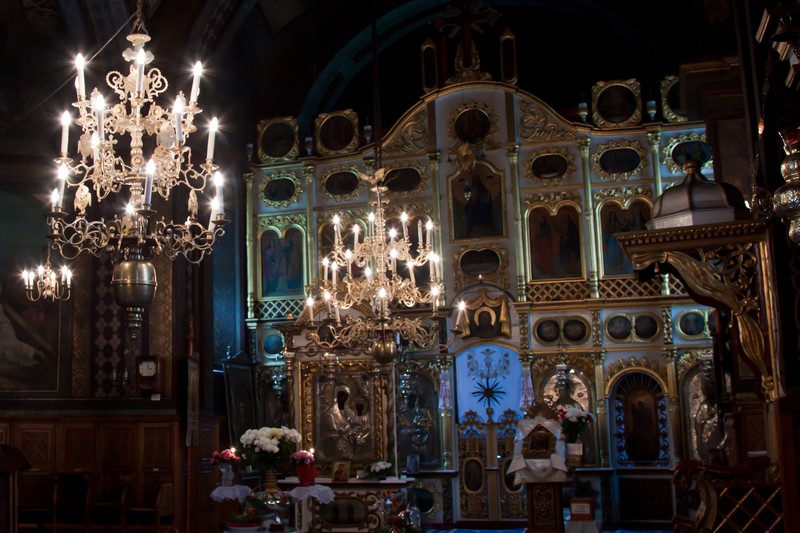
“St Joan the Baptizer” Church from Piatra Neamt
The building of “St Joan the Baptizer” Church from Piatra Neamt started in 1866 when the priest Lazarescu wanted to build a new church in Maratei neighborhood.
The building of “St Joan the Baptizer” Church from Piatra Neamt started in 1866 when the priest Lazarescu wanted to build a new church in Maratei neighborhood.
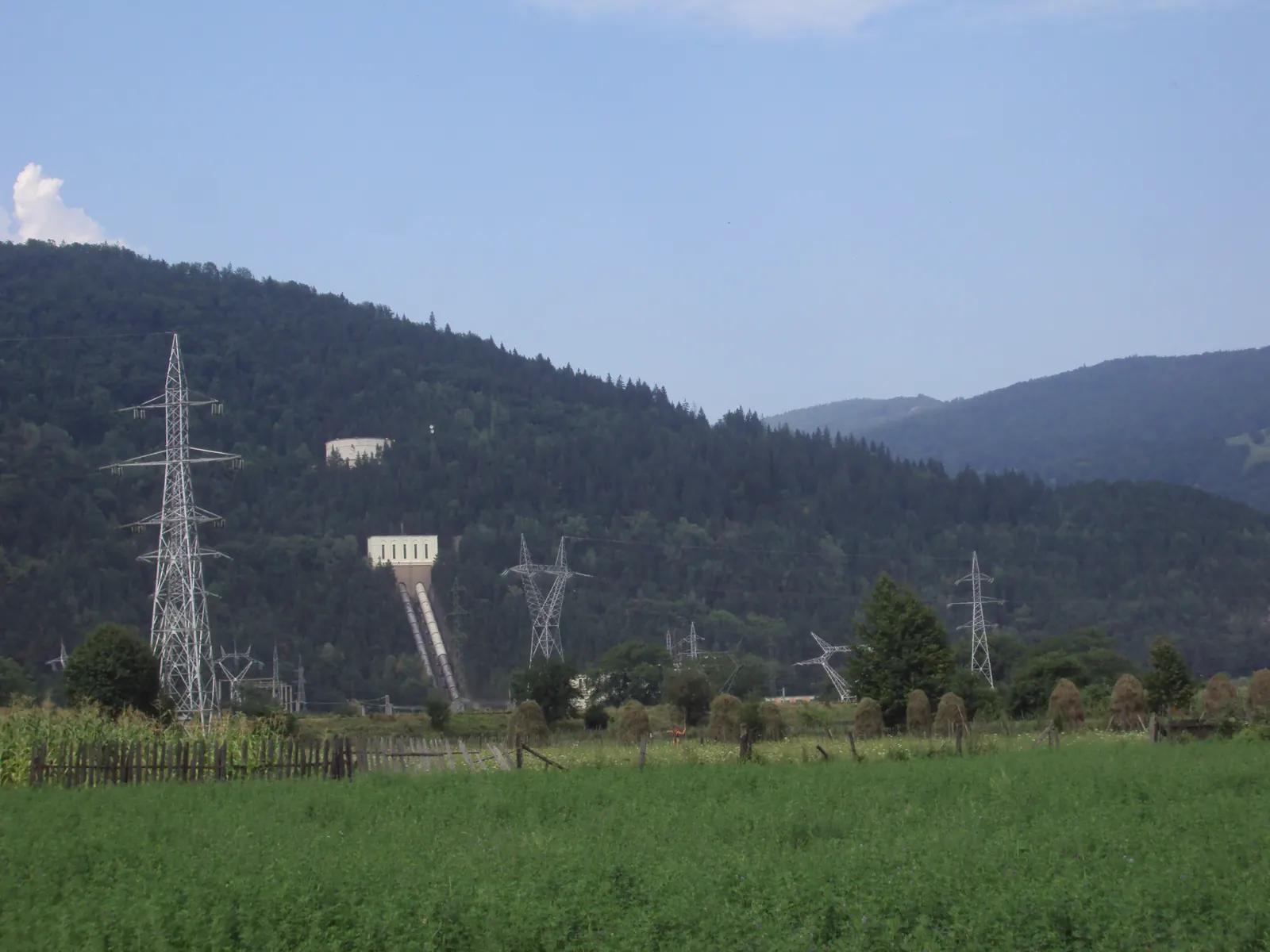
The Agapia-Văratec area is particularly beautiful for its scenery and its two monastic complexes, which are important centres of Romanian culture.
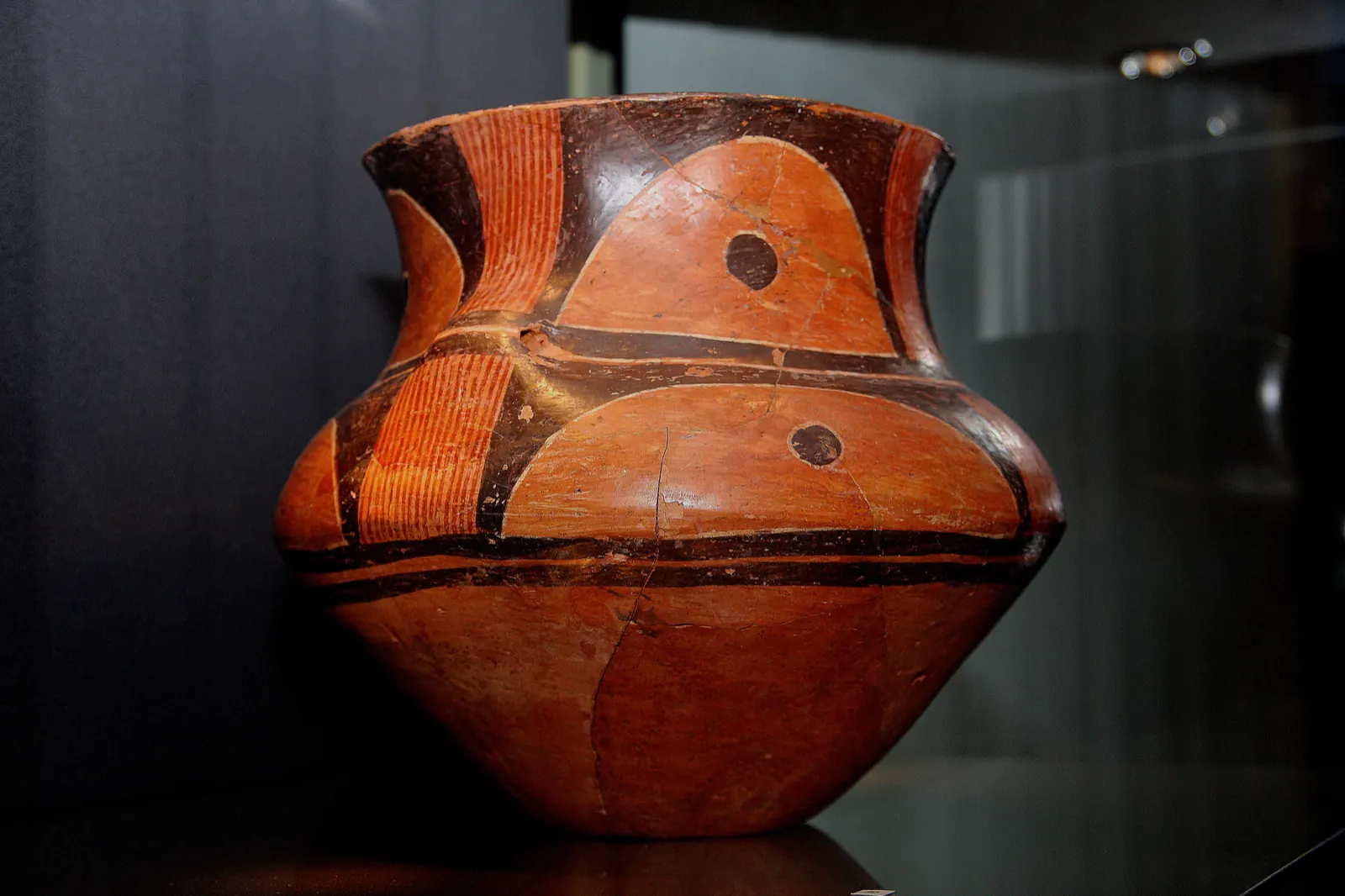
Coloured eggs are the symbol of Easter. Housewives in the Neamț area begin preparing them on Tuesday of Holy Week so they can finish them and take them to church for the Resurrection Service.
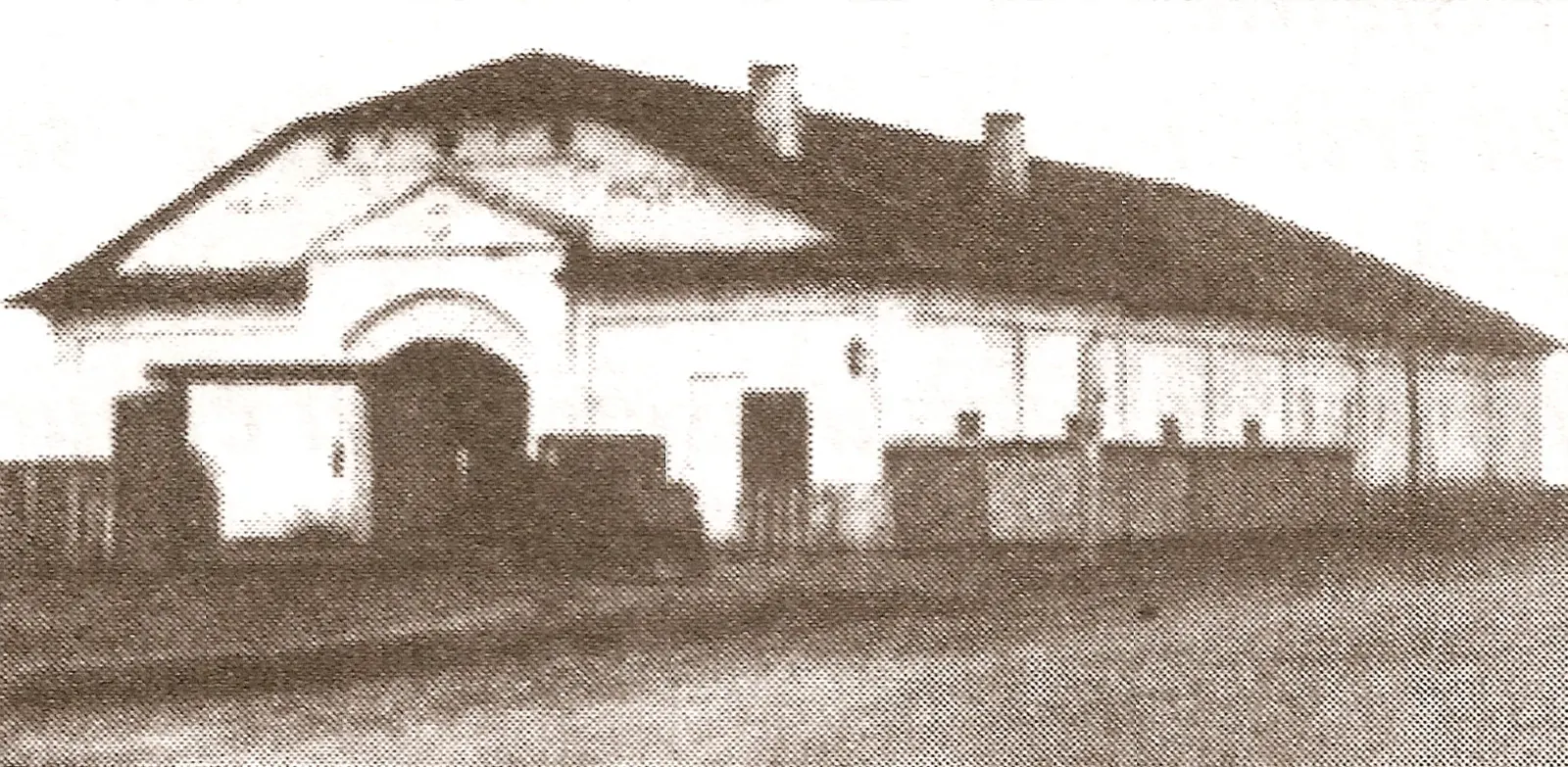
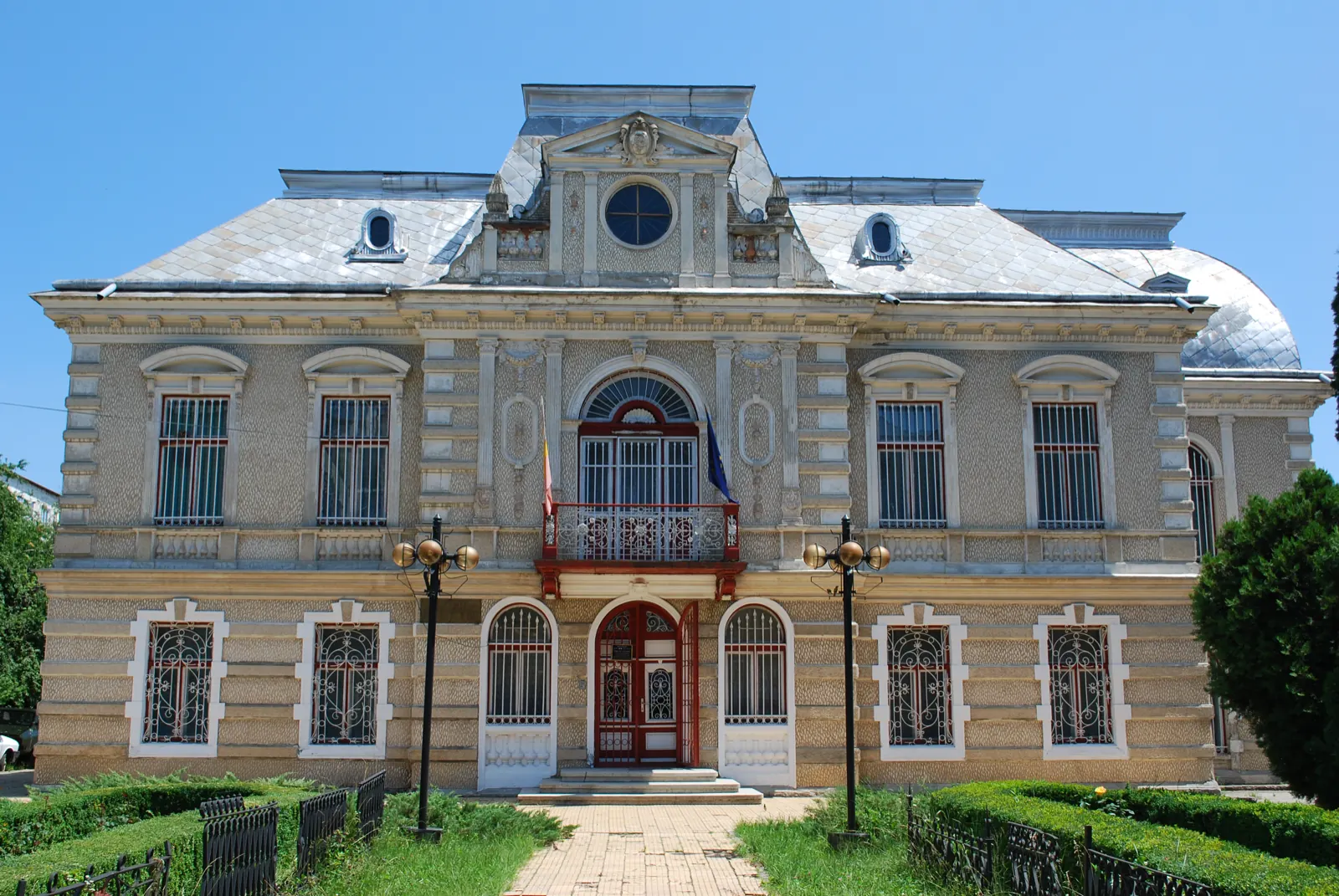
The Museums Complex from Neamt has in its patrimony over 300.000 pieces (archeology, history, art, memorial objects, ethnographic and natural sciences) that can be visited in the permanent exhibitions of Neamt County museum.
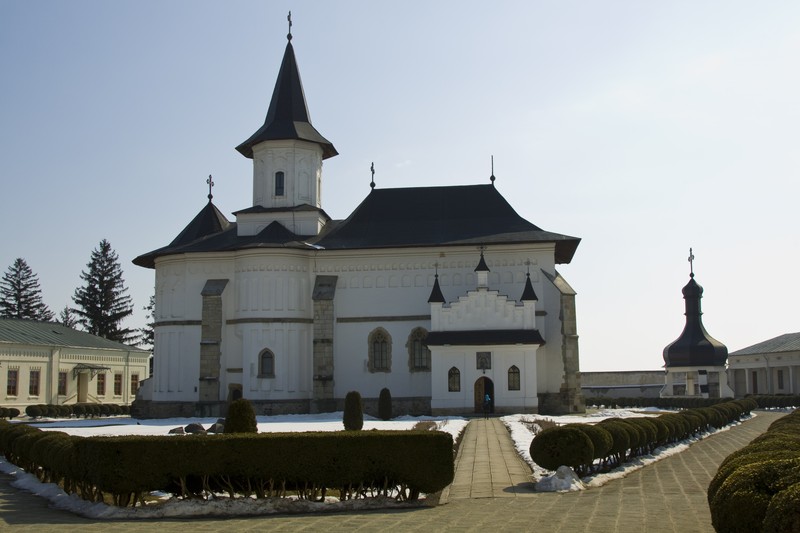
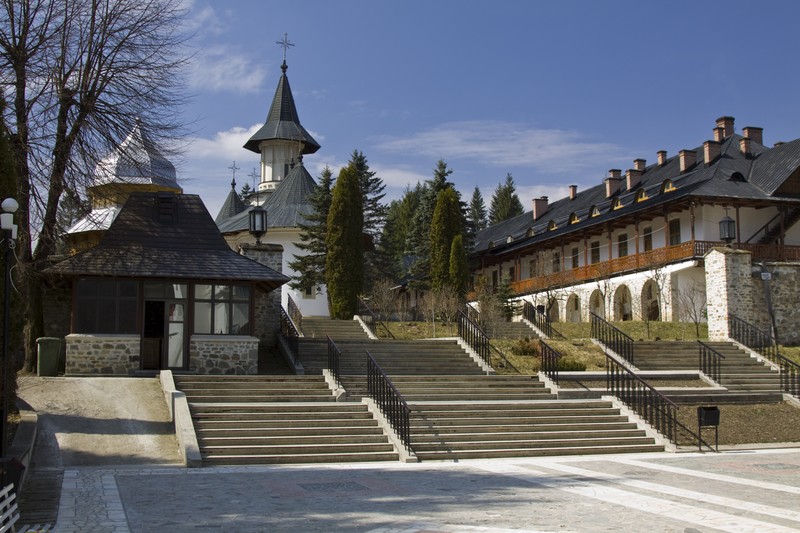
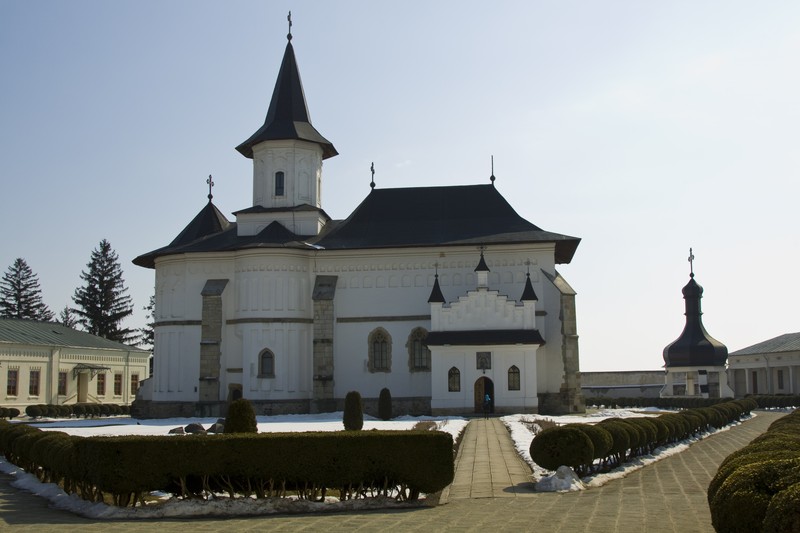
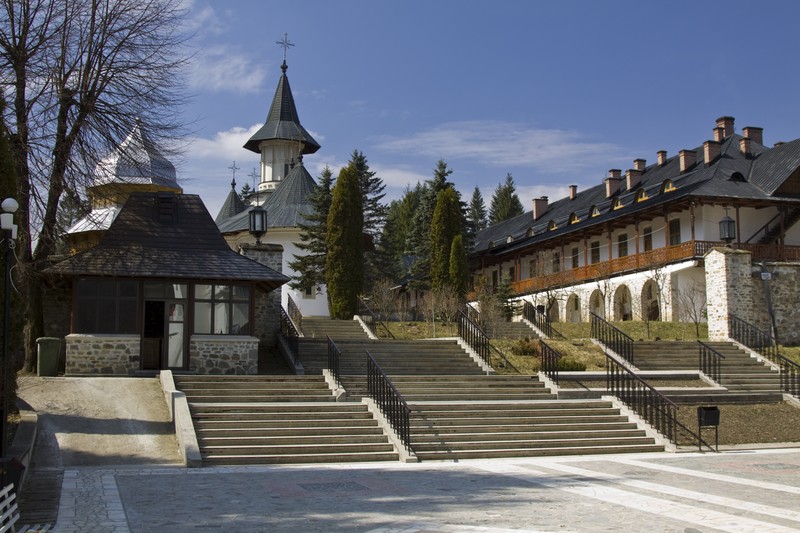
Located in the courtyard of Sihăstria Monastery, “Sfânta Teodora de la Sihla” Cathedral is a place of worship dedicated to Sfânta Teodora de la Sihla, who was canonised in 1992.
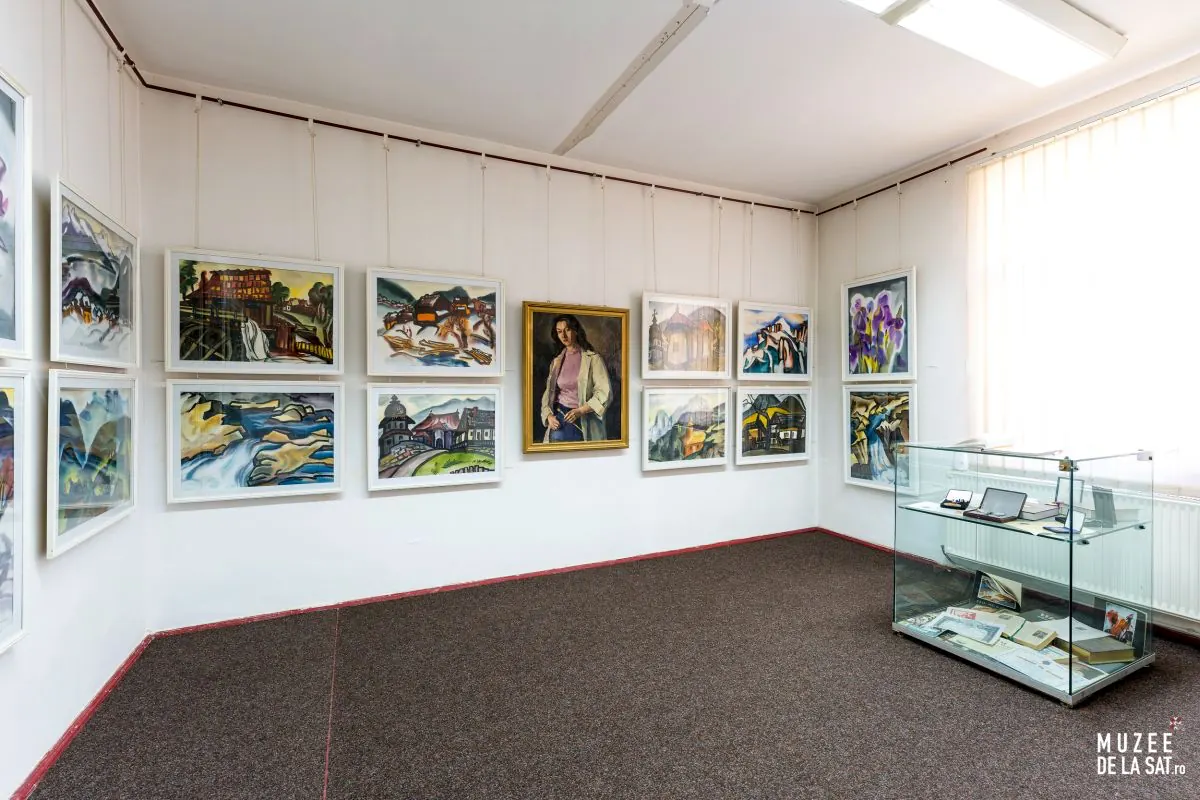
The Neamț Museum Complex holds a collection of over 300,000 objects (archaeology, history, art, memorial collections, ethnography, natural sciences), which can be viewed in the permanent exhibitions of the museums in Neamț County.
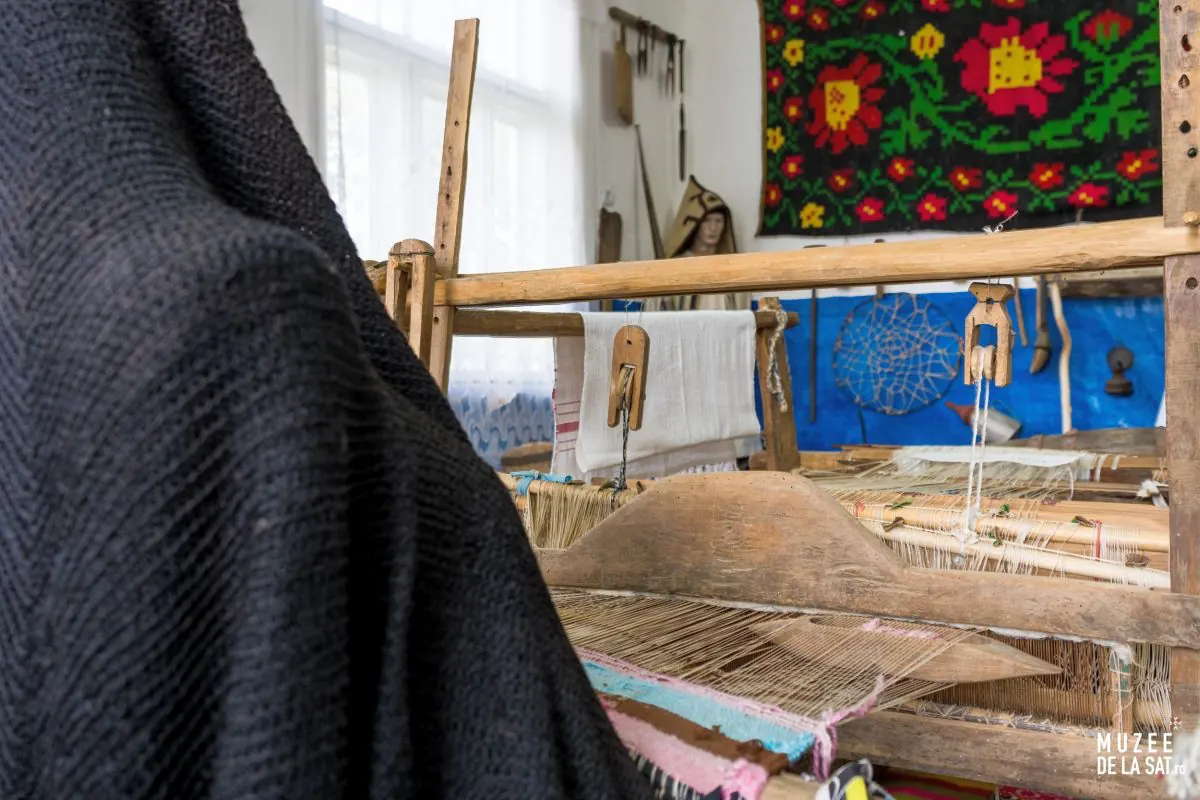
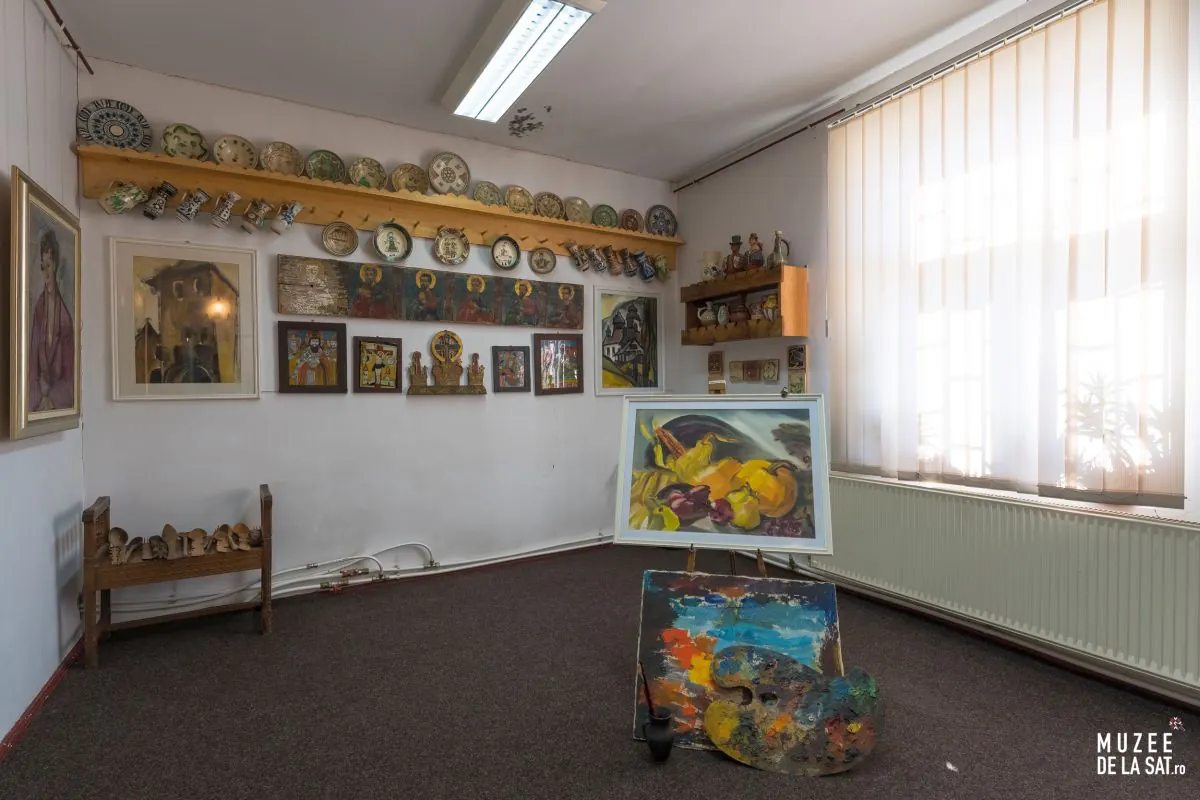
The Ethnography Museum from Borca commune was opened for public in March 2011 inside the “Mihail Sadoveanu” School.
Cheile Bicazului (Bicaz Gorges), because of its impressive size represents a true touristic attraction that offers spectacular views and multiple entertainment possibilities.
The impressive scale of Bicaz Gorge makes it a real tourist attraction, with spectacular scenery and many opportunities for recreation.
The Ethnography Museum in the commune of Borca was founded in March 2011 within the School Group “Mihail Sadoveanu”.