Spiritual
Cipriota – Secu Monastery’s most treasured icon
The most treasured icon at Secu Monastery is the icon of the Mother of God in the main church, presented in 1647 by Prince Vasile Lupu as a mark of his great esteem for Metropolitan Varlaam.
The most treasured icon at Secu Monastery is the icon of the Mother of God in the main church, presented in 1647 by Prince Vasile Lupu as a mark of his great esteem for Metropolitan Varlaam.
The most important icon from Secu Monastery is the Icon of St Mary, Mother of Jesus from the main church of the monastery.
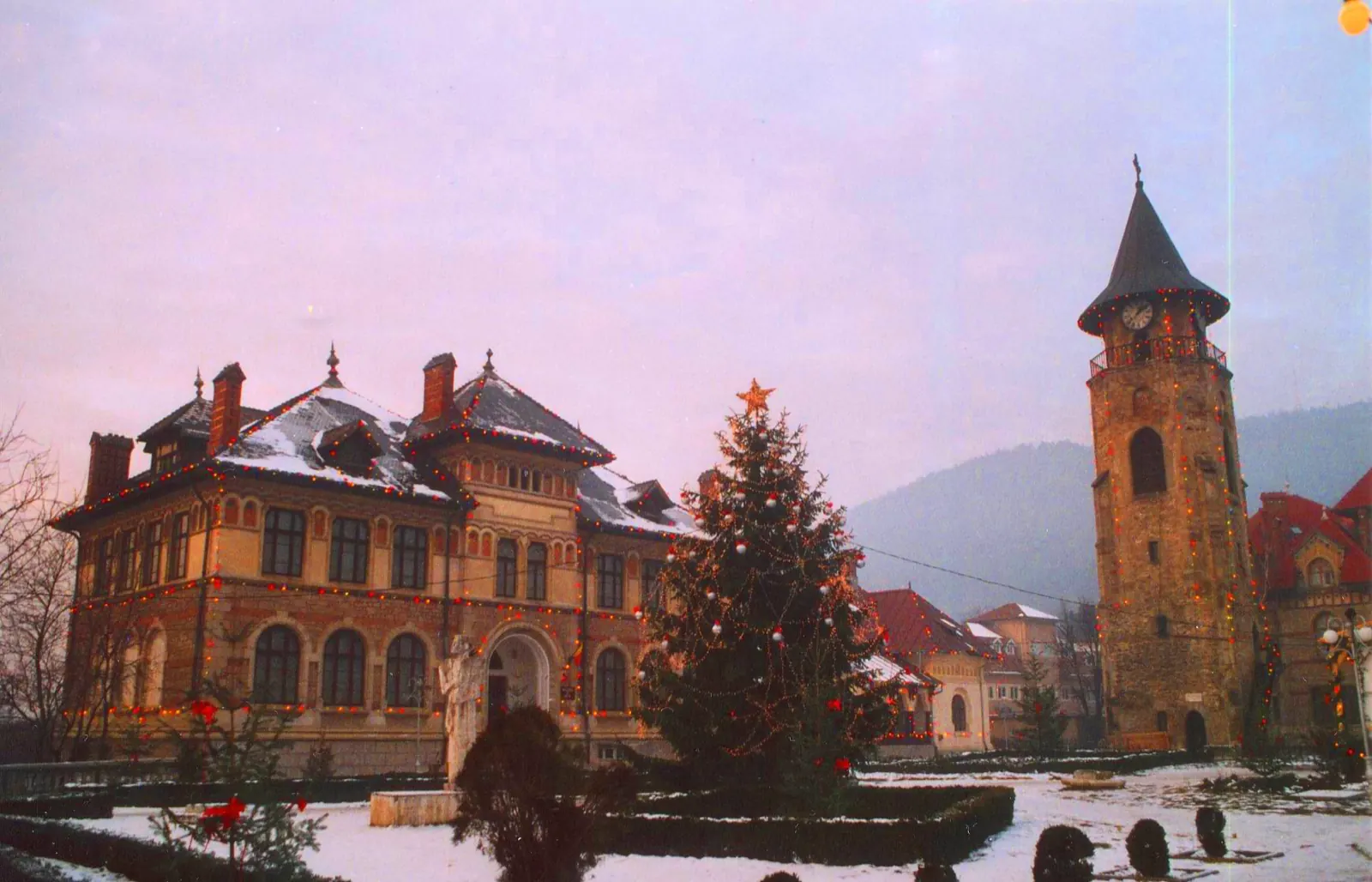
Dating from the early 17th century, Secu Monastery is a centre of monastic life in Moldavia with a rich spiritual tradition, housing a treasury of numerous liturgical objects, manuscripts, vestments, printed works, etc. of great artistic and historical value.
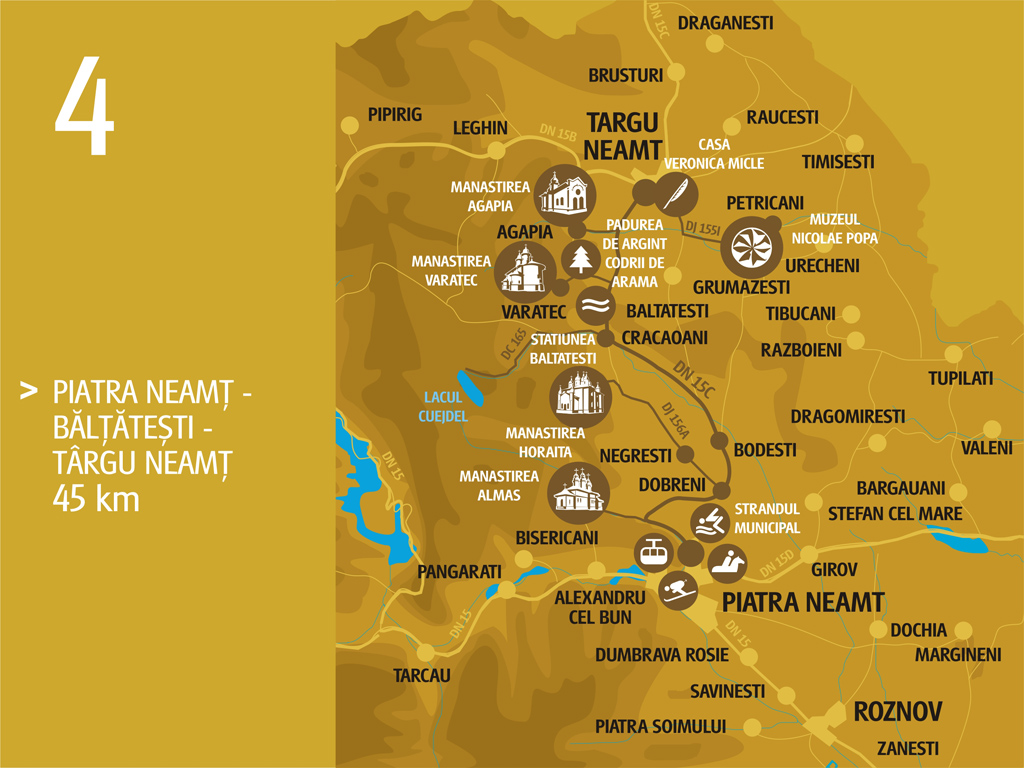
In Neamț County, we find priceless material and spiritual treasures that form part of the national heritage, have shaped our country's history and remain in people's collective memory.
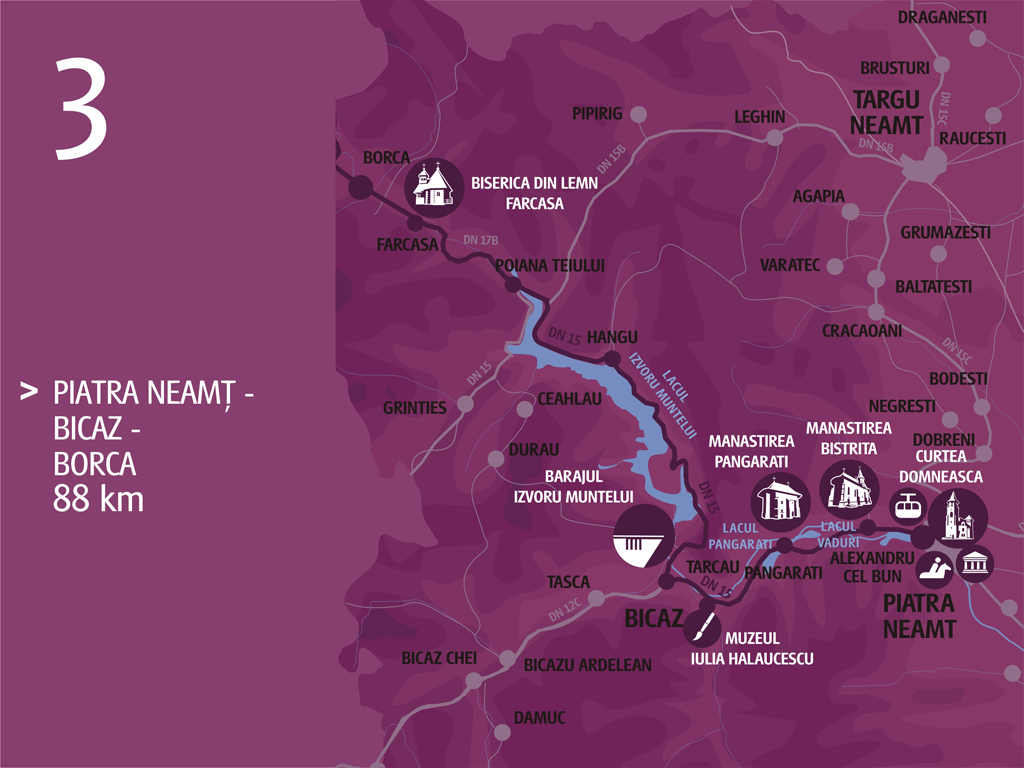
Neamț County is home to the oldest, most numerous and most imposing monasteries in Moldavia. The concentration of places of worship in this area reflects the great number of monks in the Neamț mountains who sanctified these places, endowed by God with such beauty.
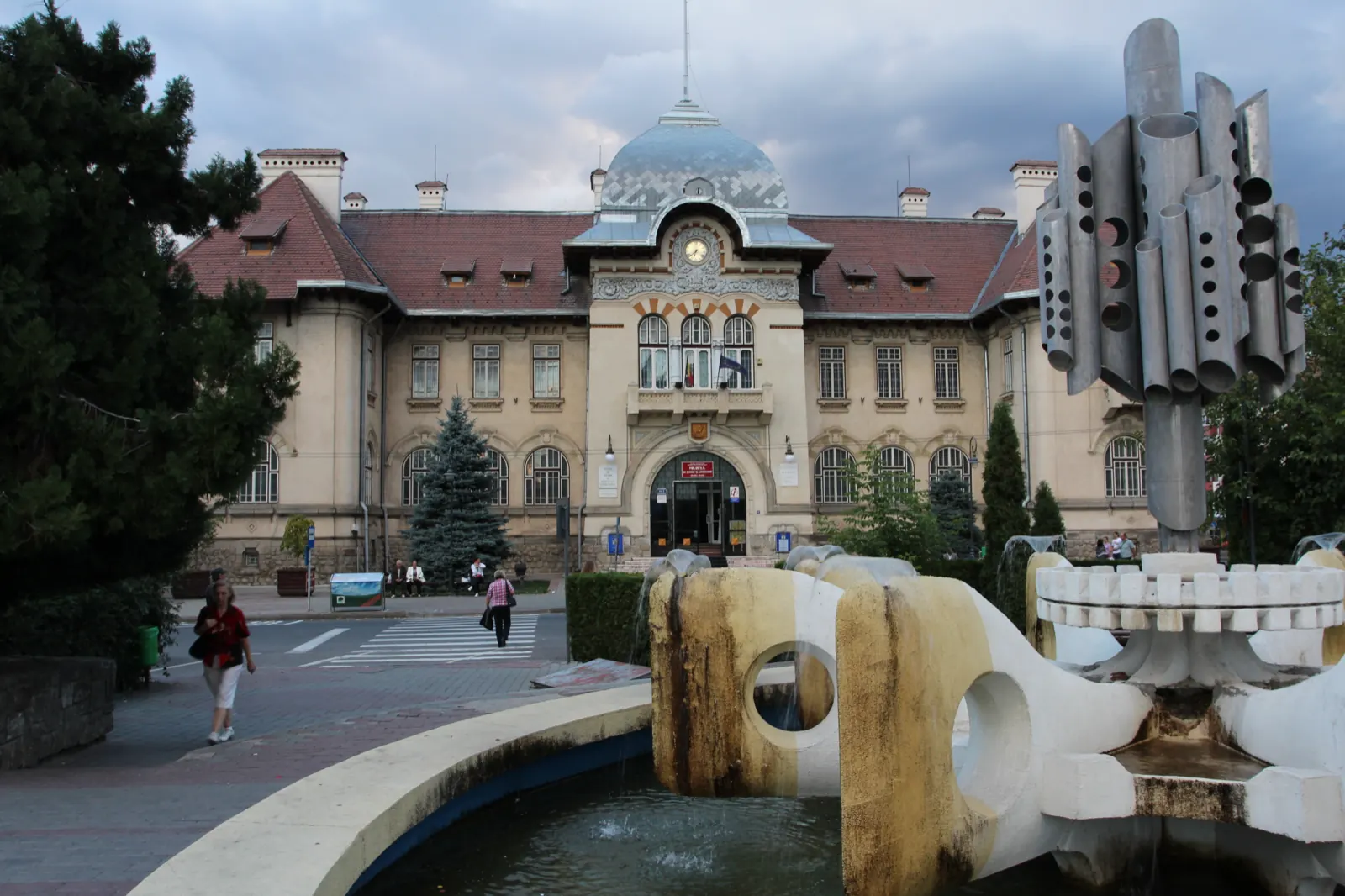
Once in Neamț, you can discover some of this county's history and culture by visiting attractions that bear witness to the region's richness and beauty.
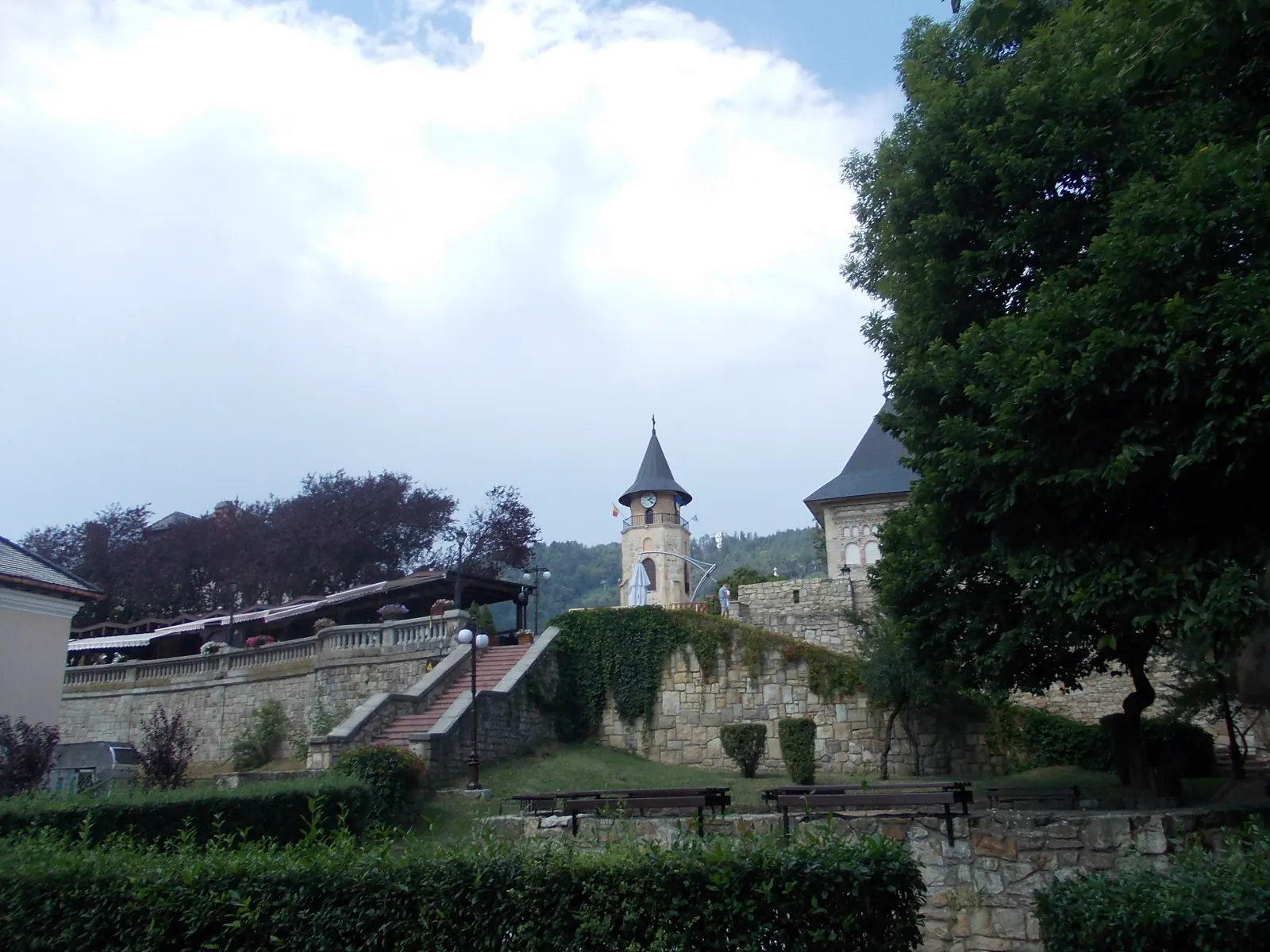
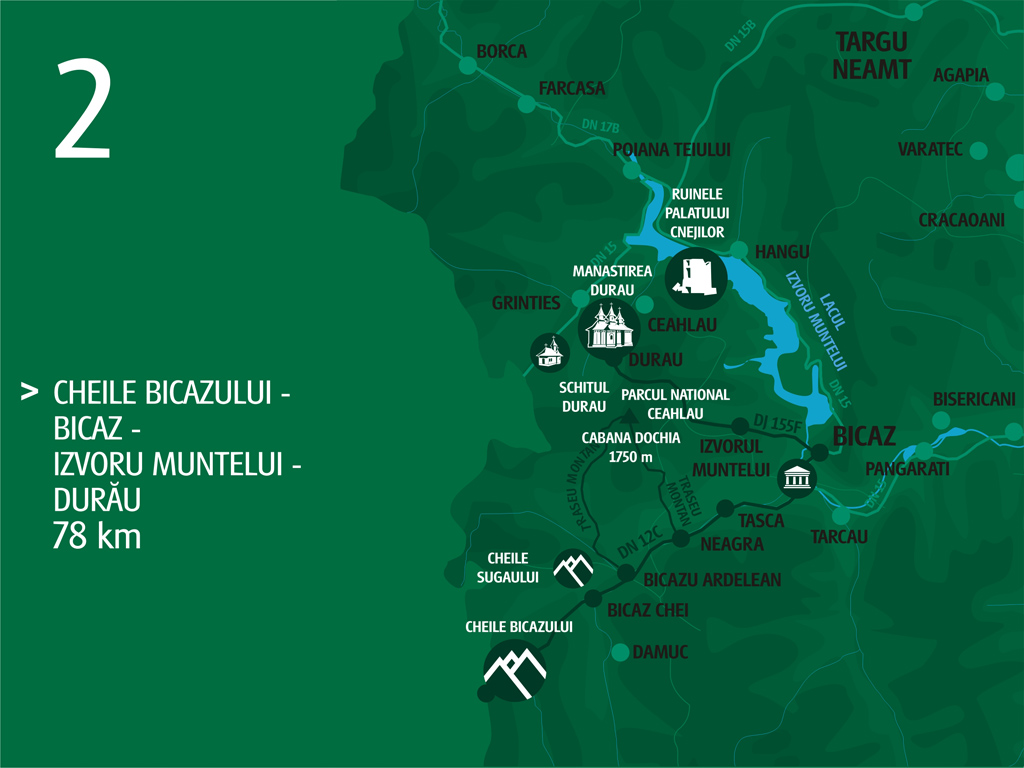
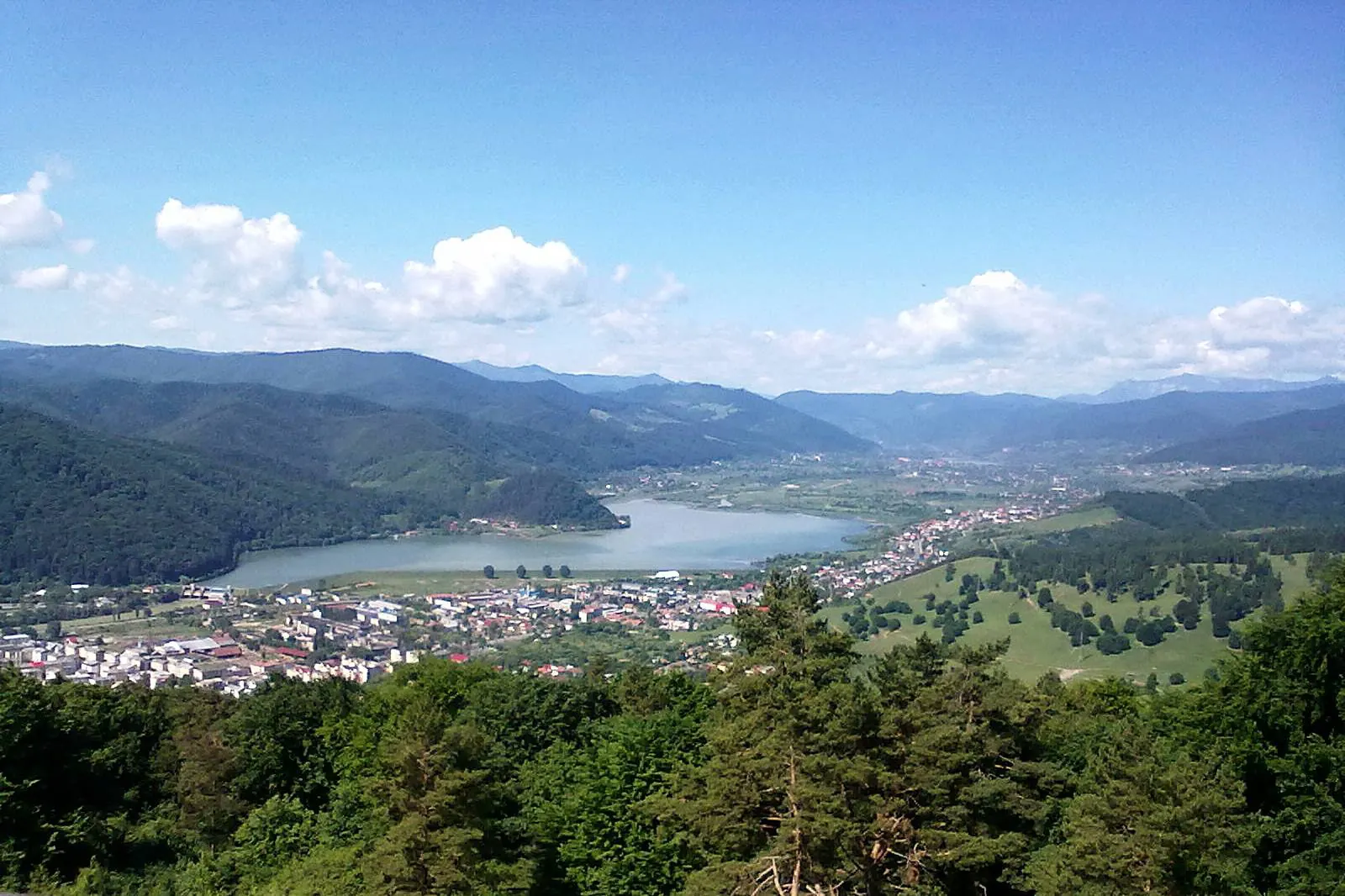
Among the many attractions in the Neamț region, we recommend the following route for those who love mountain scenery, passing through one of the country’s most appealing tourist areas.
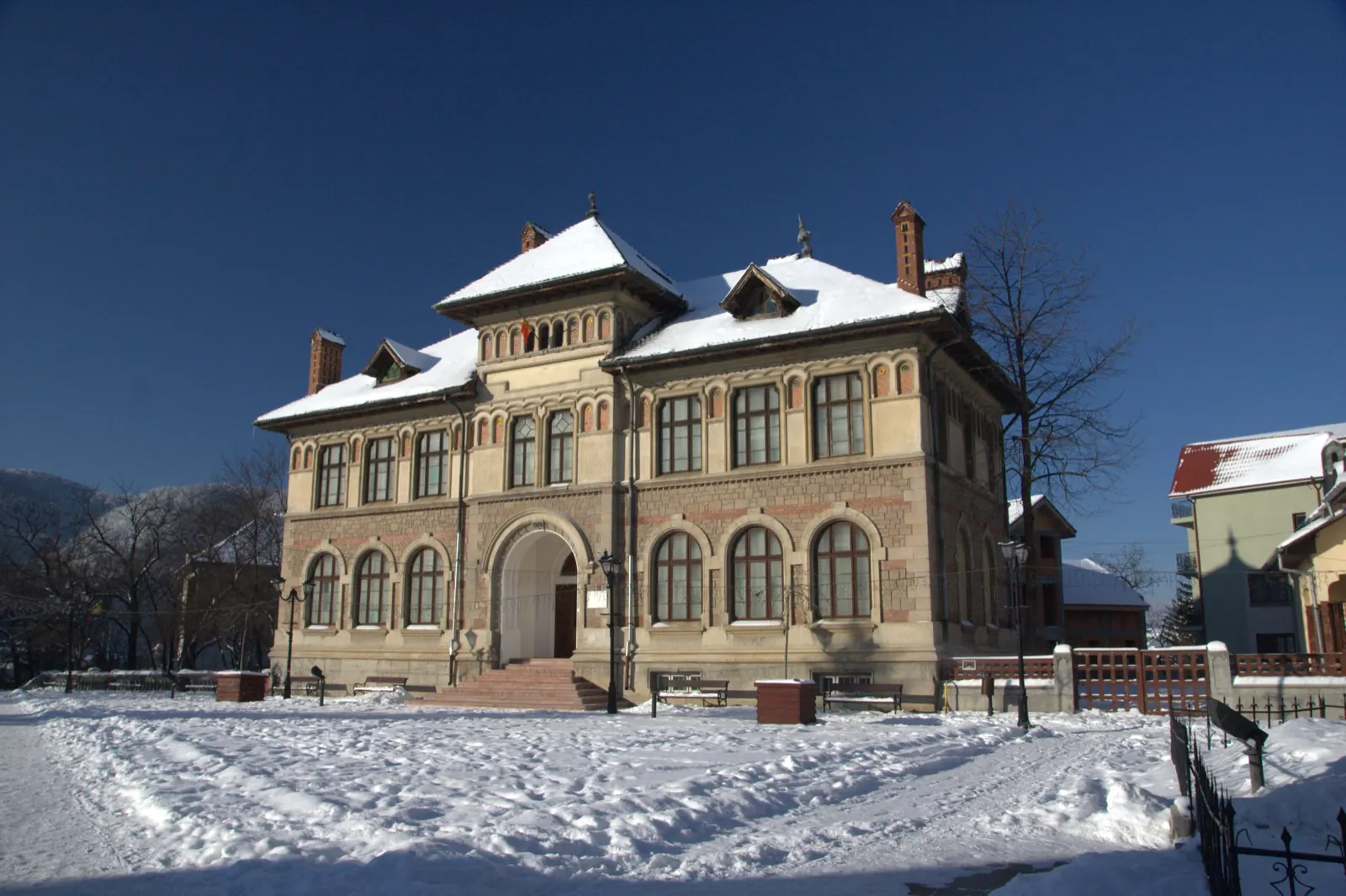
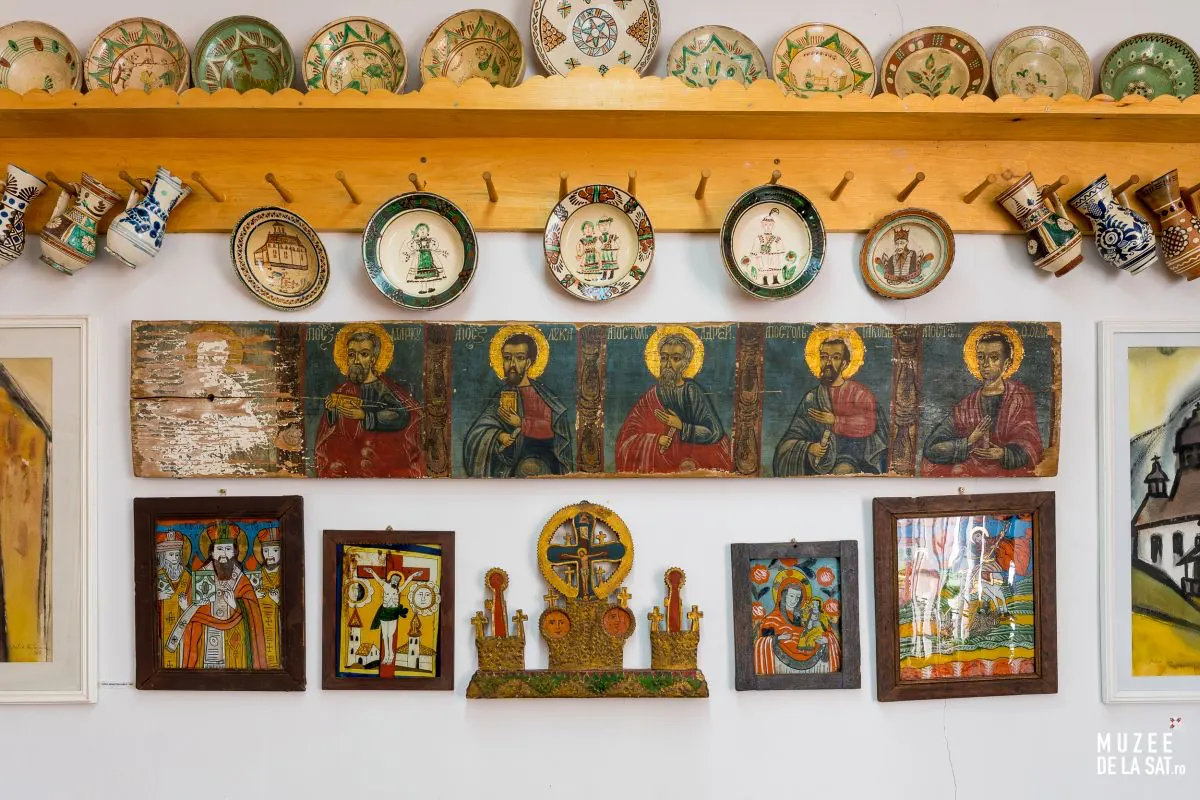
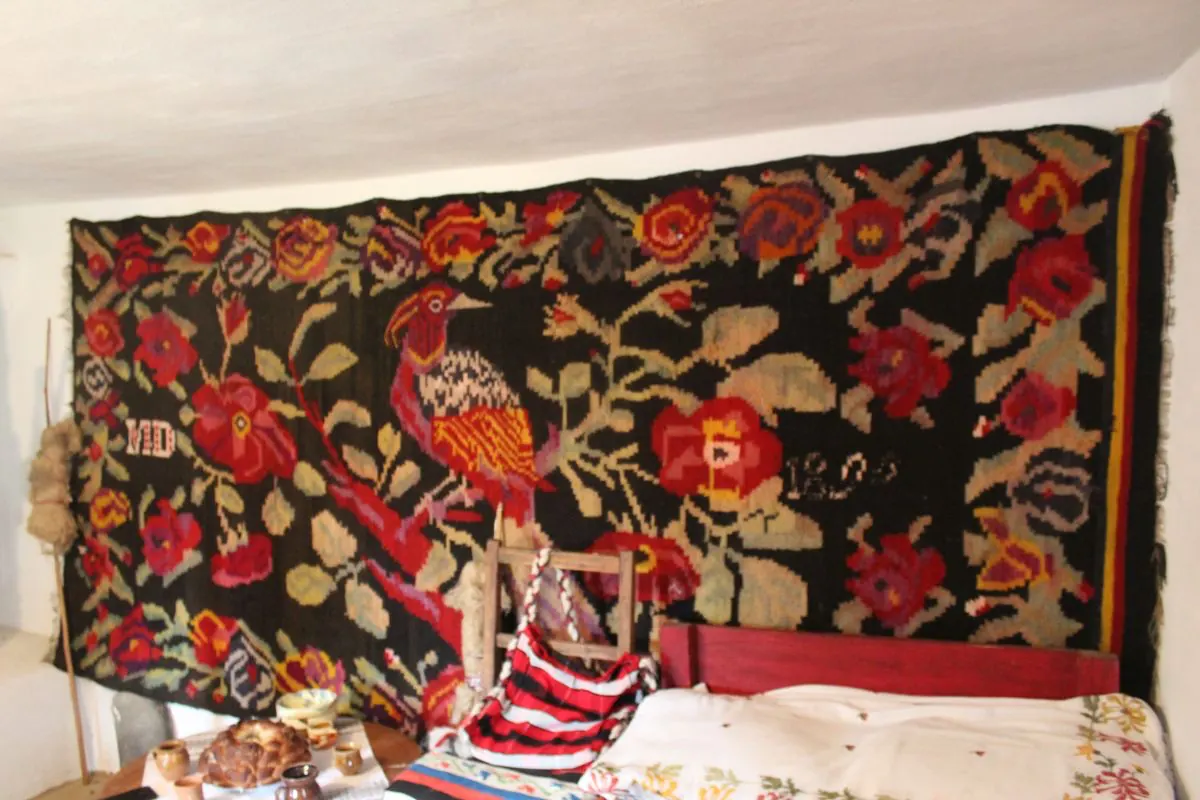
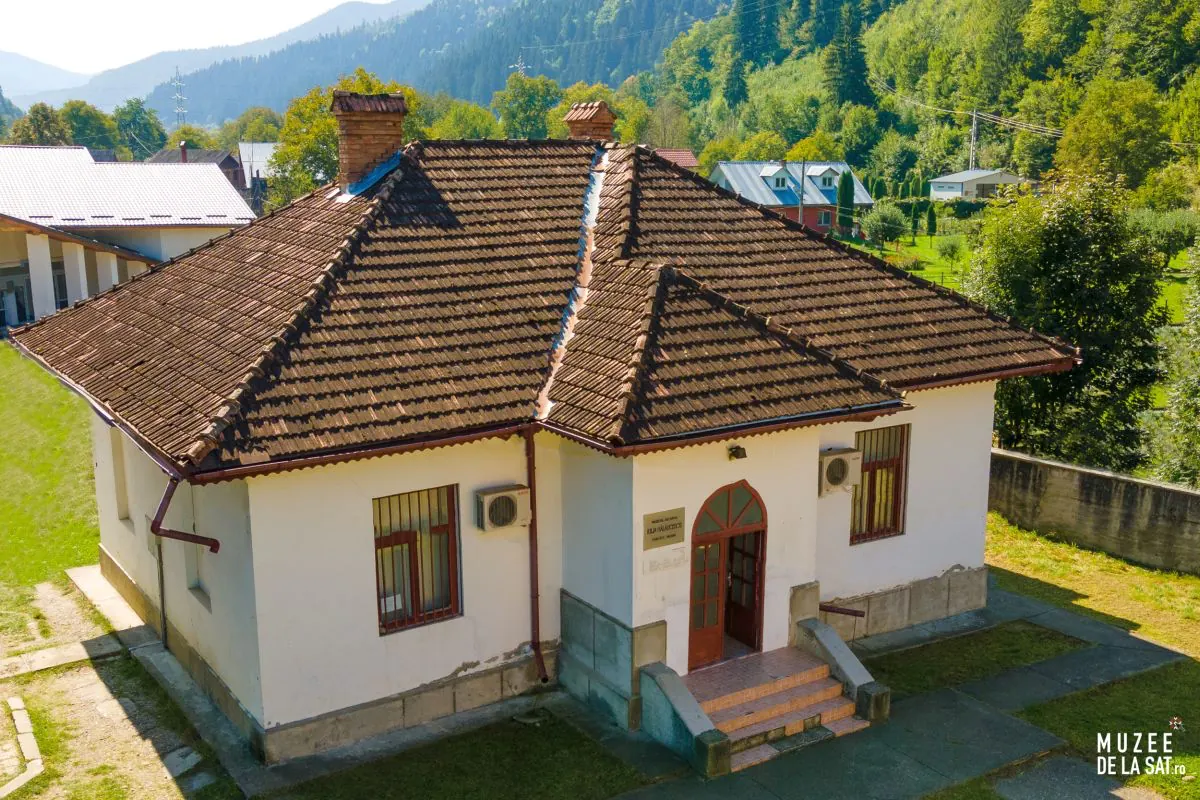
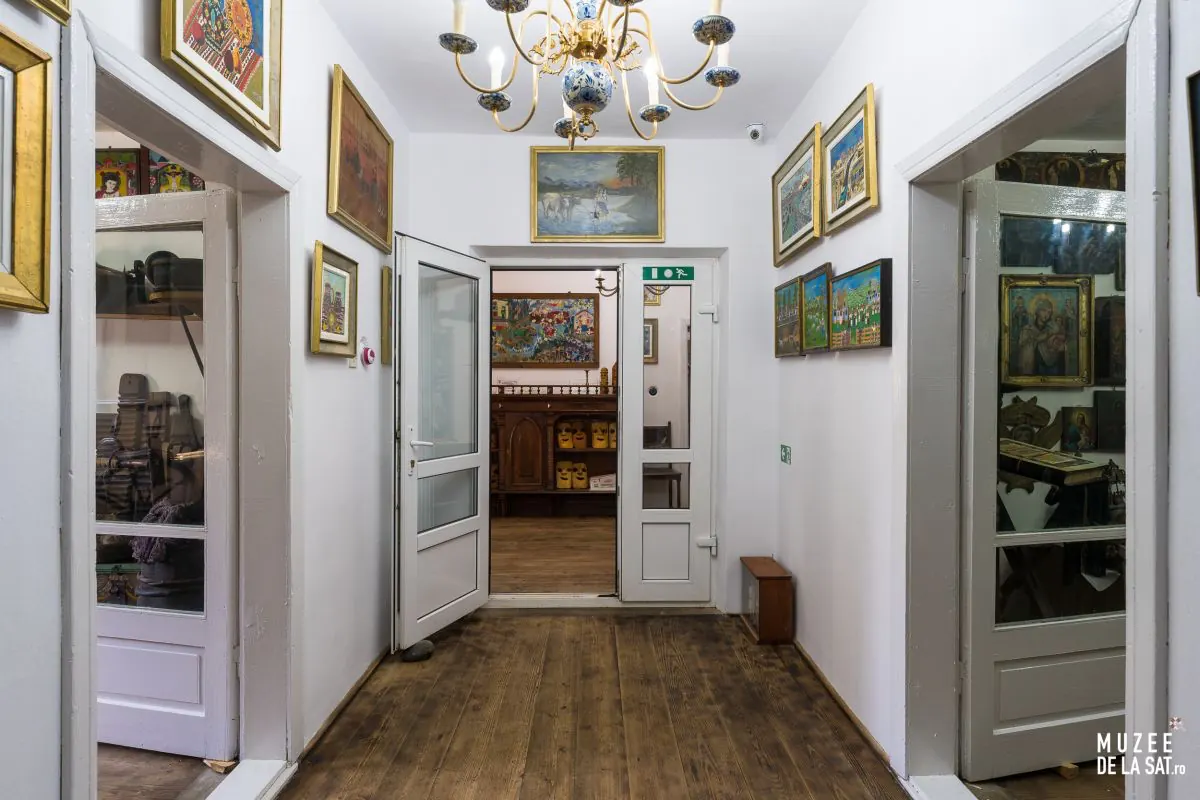
The religious museum from Agapia Monastery was built in 1927 and is the first religious museum that gathers not only religious objects but also weaves, wooden sculptures and ornaments from different areas of Romania.
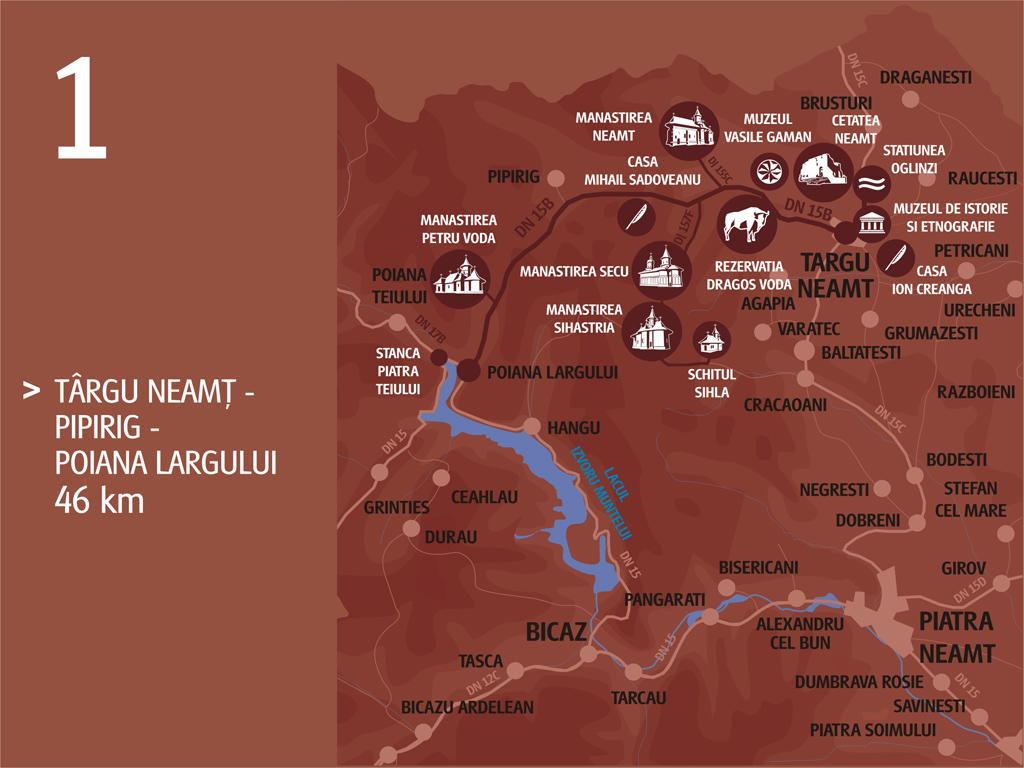
If you choose to visit the Neamț region, where high mountains and remarkable landscapes greet you at every turn, you will discover one of Romania's most delightful areas.
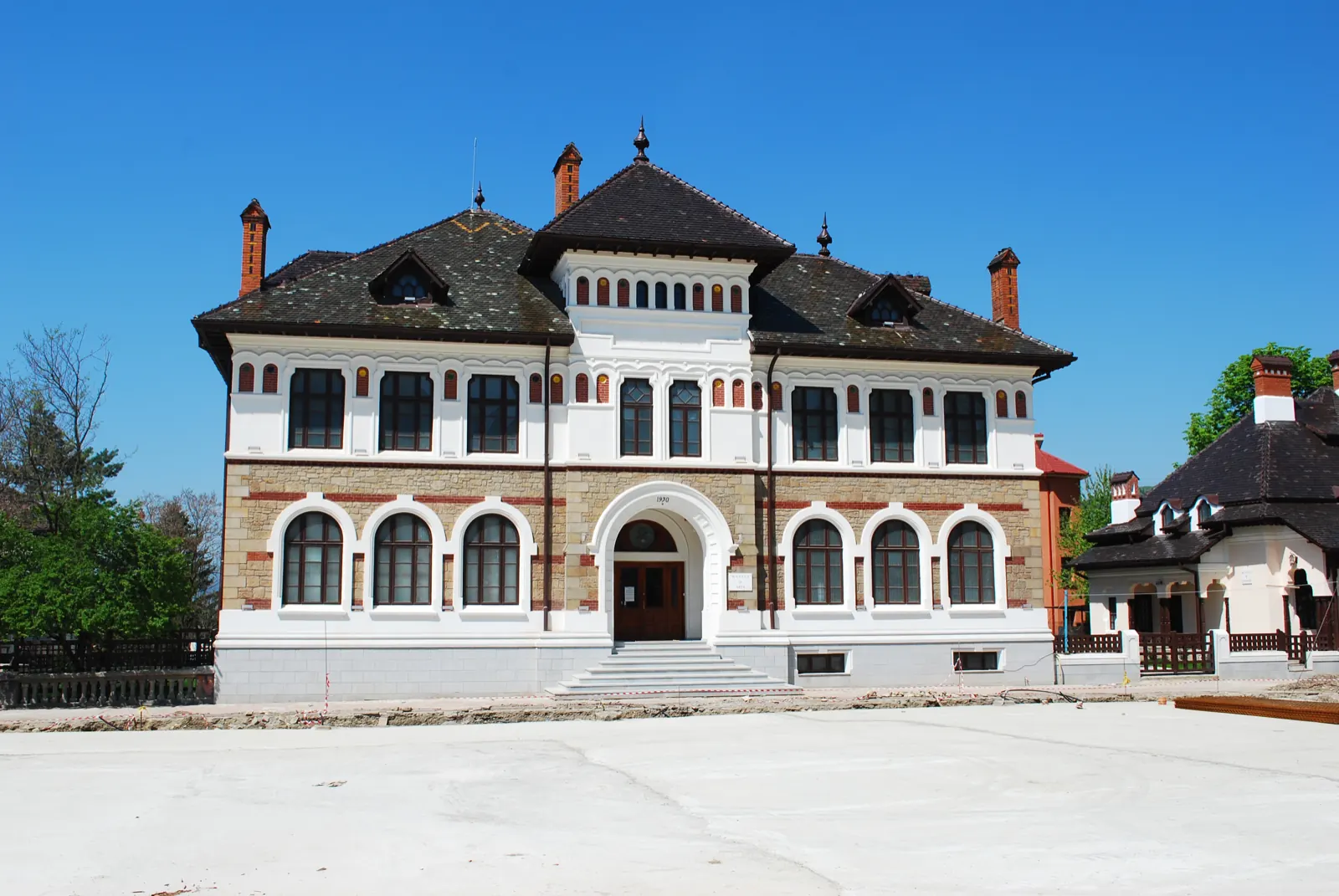
In 1927, the first monastic museum was established at Agapia Monastery, housing not only liturgical objects and religious art, but also secular artworks: textiles, needlework, woodcarvings, jewellery and other works of art from different parts of the country.
I invite you to Neamț County on a heartfelt pilgrimage to the places where great Romanian writers and cultural figures grew up and lived.